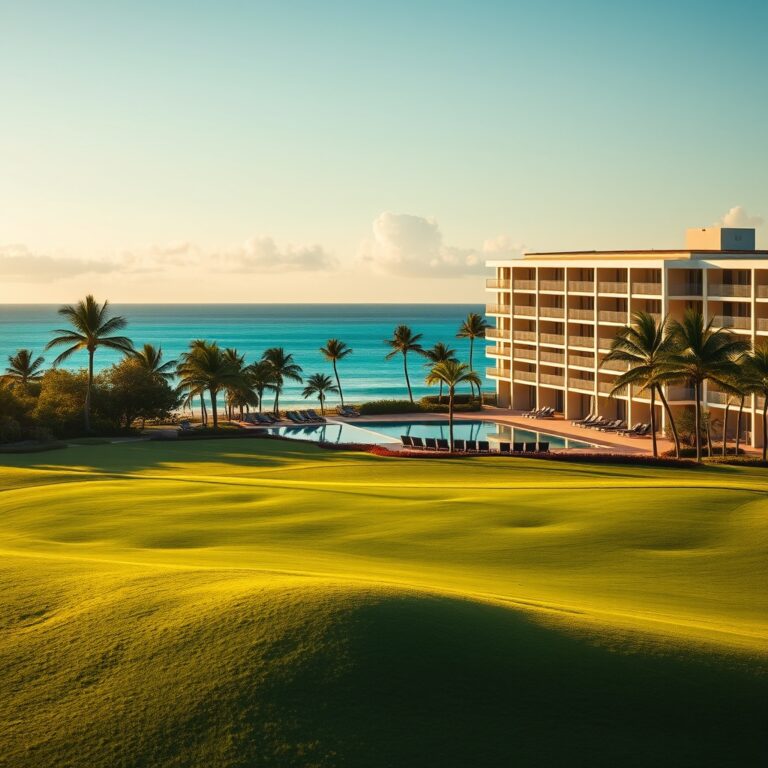
The gourmet experience: the new luxury at Caribbean resorts
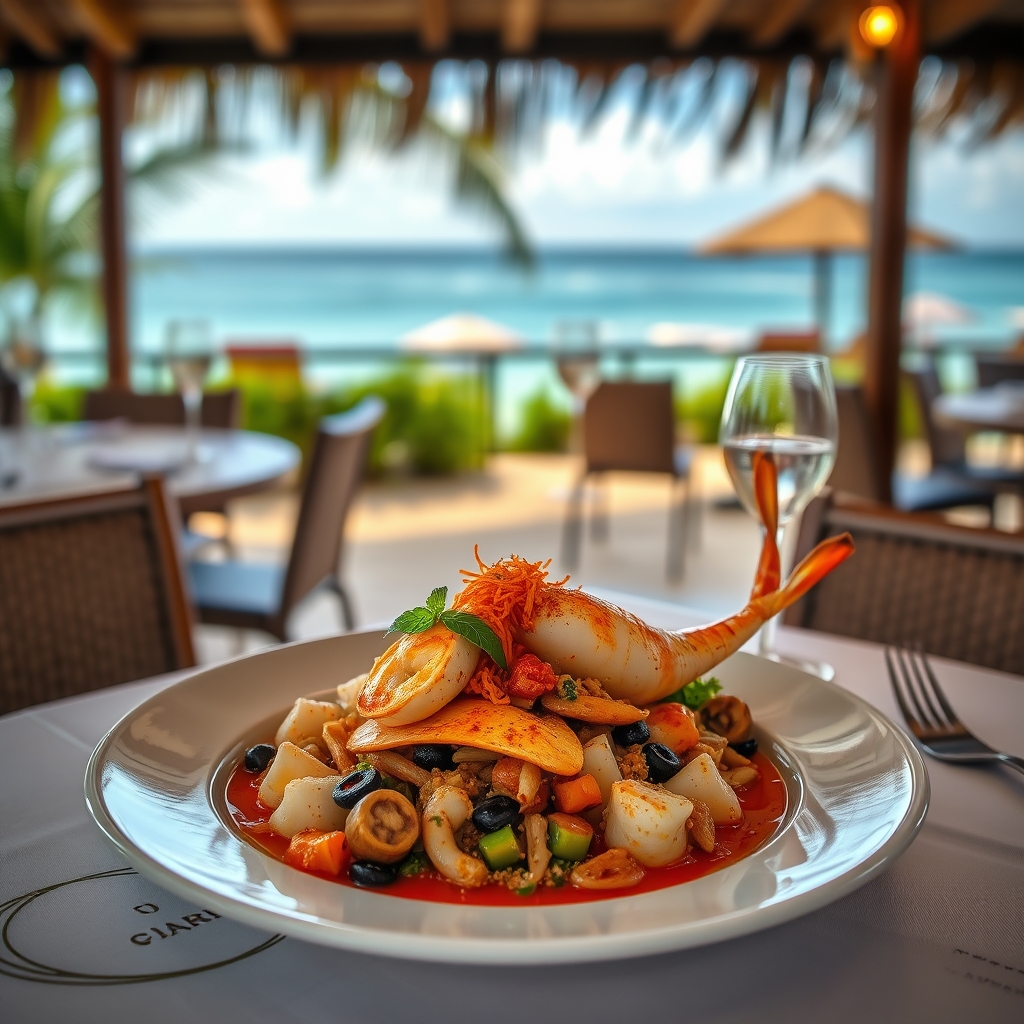
The Caribbean is no longer chosen only for its turquoise-water beaches. Increasingly, high-end travellers put the table on the same footing as the sand: the gastronomic experience has become one of the decisive criteria when booking holidays in the region. For those investing in holiday rental properties in Punta Cana, understanding this trend is not a whim, it is a matter of profitability.
Gastronomy as a deciding factor in Caribbean luxury tourism
Today’s luxury traveller seeks experiences, not just services. Trend reports from the tourism industry agree that gastronomy occupies a central place in the booking decision: a destination with a rich and varied culinary offering is perceived as more attractive and justifies longer stays and higher rates.
In the Caribbean, this phenomenon translates into a growing demand for signature cuisine, local produce and experiences such as rum and cocoa tastings, farm visits or cooking classes. El Caribe and its islands regularly publish gastronomic guides and news about the region’s chefs and restaurants — a sign that the region has established itself as a gastronomic destination in its own right. Punta Cana is no exception: the Bávaro area has seen a notable growth in its offering of international restaurants and contemporary Caribbean cuisine.
For the guest renting an apartment with an equipped kitchen, this opens up another possibility: combining dinners out with buying local produce and preparing their own dishes — something especially valued by families and by medium- or long-term stays.
Dominican cuisine: authentic flavour with centuries of history
The Dominican Republic has plenty to say in this conversation. Its cuisine blends Taíno, Spanish and African influences, offering dishes with a character of their own that visitors remember as much as the beaches.
Mangú, the breakfast that defines the country
Mangú, a purée of green plantain boiled and mashed with oil and pickled onion, is the heart of the Dominican breakfast. Forming part of the classic “los tres golpes” together with fried eggs, fried cheese and salami, it is many travellers’ first introduction to the local gastronomy — and one of the dishes they return to most often.
Sancocho, fresh fish and seafood cookery
Sancocho, a thick stew of meats, tubers and plantains, is considered by many Dominicans to be the national dish and a tradition of family celebrations. On the coast, the star is fresh fish: griddled or fried whole, served with tostones and salad, it is a classic of the beach restaurants in the Punta Cana and Bávaro area. Marlin and other local fish also appear in escabeche or smoked preparations.
Dominican cacao and coffee
The Dominican Republic is a world reference for quality organic cacao, with a growing artisan chocolate movement that attracts visitors interested in its origins. Dominican coffee, grown in the mountainous regions of the interior, is drunk short and strong, and forms part of the country’s everyday culture. Both products have become common travel souvenirs and elements of tourist experiences, from farm tours to tastings.
Local produce and farm-to-table: the trend arriving in the Caribbean
The farm-to-table philosophy, born in Europe, has taken strong root in the Caribbean. The region’s most highly rated restaurants increasingly stand out for working with local producers: tropical fruits, catch of the day, cacao, coffee and vegetables from Dominican farms.
This trend has several advantages that travellers notice directly:
- Freshness: fish arriving the same day from the market or fruit ripened on the plant has a flavour that imported produce simply cannot match.
- Authenticity: cooking with local produce and recipes is a way of connecting with the culture of the destination, something the experiential traveller especially values.
- Sustainability: reducing food transportation and supporting the local economy is an increasingly compelling argument for the conscious traveller.
For the guest of a holiday apartment, being able to shop at local markets and greengrocers and cook in a fully equipped kitchen makes the stay feel much more like living the destination than simply visiting it.
A good dining scene raises the value of a holiday property
What does all this have to do with property investment? Quite a lot. A property located in an area with a rich dining scene is easier to let, commands higher rates and generates better guest reviews, which directly influence the algorithms of booking platforms.
The dining factors that most influence the perceived value of a property are:
- Proximity to quality restaurants: being able to go out for a good dinner without needing a car or long journeys is a very powerful selling and letting argument.
- Equipped kitchen in the unit itself: guests value being able to enjoy a leisurely breakfast or prepare a dinner with local produce.
- Surroundings with a varied offering: combining Dominican and international cuisine with local options broadens the property’s target audience.
- Dining experiences in the area: tastings, markets and chef-led restaurants increase the appeal of the destination and the length of stays.
In short: gastronomy stops being a complement and becomes part of the asset itself. Anyone buying with holiday rental in mind should look at the map of nearby restaurants with the same attention they give to the distance to the beach.
For investors and buyers: Salado Golf & Beach
If you are considering investing in the Bávaro area, in Punta Cana, it is worth learning about Salado Golf & Beach, a development of off-plan apartments for sale. It is not an operating resort, but a residential project designed precisely for the holiday rental market, located in an area undergoing rapid growth and surrounded by Bávaro’s gastronomic, shopping and leisure offerings.
Its main terms are as follows:
- Apartments from 170,000 USD.
- Flexible payment plan: reservation from 3,000 USD and 30% upon signing, 35% during construction and the remaining 35% upon delivery.
- Tax benefits under the CONFOTUR programme, which offers significant tax advantages for tourism developments in the Dominican Republic.
- An estimated return of 8-12% per year from holiday rentals, depending on the use and management of the property.
- Salado I is currently under construction, with estimated delivery in April 2027.
Buying off-plan allows you to enter with a contained initial investment and benefit from the project’s appreciation until delivery. If you would like to receive detailed information on availability, floor plans and payment terms, the team at saladoresort.com can assist you and answer your questions with no obligation.
Frequently asked questions
Why does gastronomy have such an influence on holiday rentals?
Because it is part of the overall travel experience. A guest who finds good restaurants near their accommodation values the property more, returns for another stay and leaves better reviews, which improves the property’s positioning on booking platforms.