Retiring in the Dominican Republic
Retiring in the Dominican Republic: A Cost Analysis Compared with Spain
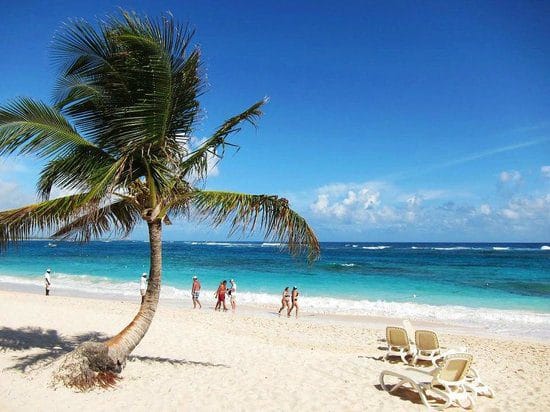
More and more Europeans are looking towards the Caribbean. The idea of retiring in the Dominican Republic is no longer a distant dream, but a serious option on the map. When you weigh up the lifestyle here against that of Spain, the differences are plain to see. It is not just about the cost of groceries or services. It is the approach. That “slow living” concept that permeates everything in Bávaro. Spain remains a privileged destination, yes. But the Dominican Republic offers an alternative where sunshine is guaranteed and the price per square metre by the sea is an opportunity that, honestly speaking, is unlikely to come round again.
Purchasing power: How far does your euro go?
It defines everything. The relationship between your fixed income and the cost of living is the decisive factor. In Spain, inflation and the upkeep of properties in such well-established coastal areas —the Costa del Sol, the Balearics— can eat through your pension in the blink of an eye. In the Dominican Republic, however, the picture is quite different. The cost of living is considerably lower.
To put it plainly: a couple can dine at a high-end restaurant in Punta Cana for a fraction of what they would pay in Marbella or Barcelona. And I am not just talking about food. Home help services, gardening and pool maintenance are far more affordable. This allows you, realistically, to enjoy a life of luxury and “premium” services that in Europe would be reserved for a very high income bracket.
- Supermarkets and food: Local and tropical produce is cheap. It’s true that imported products are more expensive, but if you base your diet on Caribbean fare — fish, fruit, fresh vegetables — the monthly bill drops noticeably.
- Health and wellness: Private medicine in the Dominican Republic is excellent. Many doctors trained in Europe and the USA, and the fees allow for treatments and frequent check-ups without flinching when you pay.
- Leisure and hospitality: Eating out, having a cocktail on the beach or playing golf stops being an exceptional event and becomes something everyday.
Property as an asset for saving and enjoyment
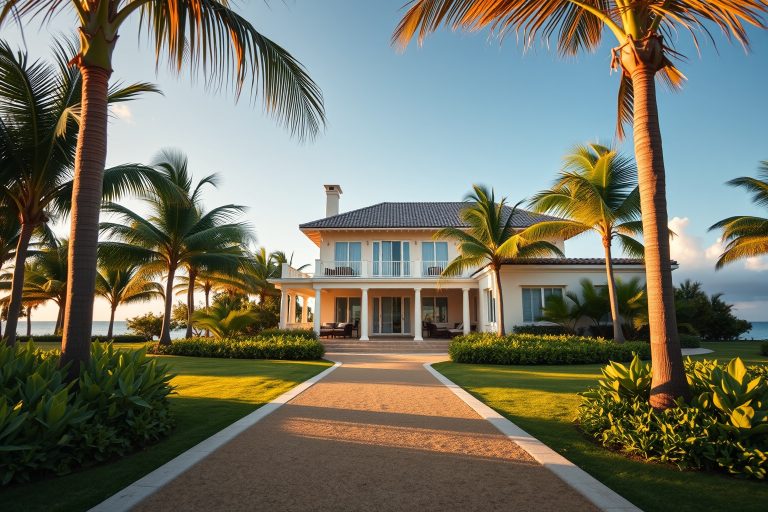
When we talk about retiring in the Dominican Republic, housing is the great differentiator. In Spain, square metres by the sea are a scarce and, let’s be honest, very expensive asset. In Bavaro there are still opportunities to buy frontline new-build apartments (first line of the beach) at prices that allow you to have a larger home with better finishes for the same budget.
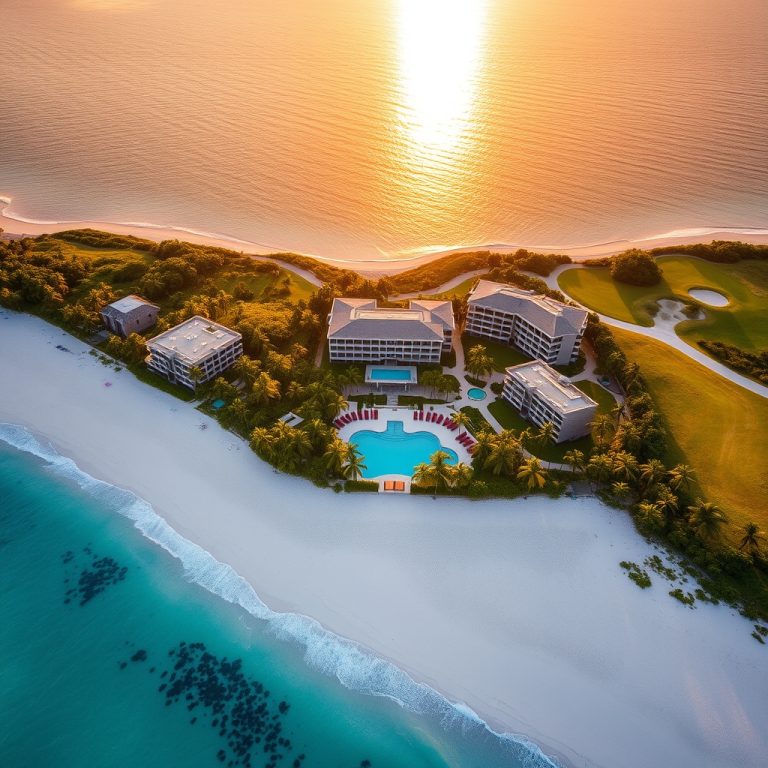
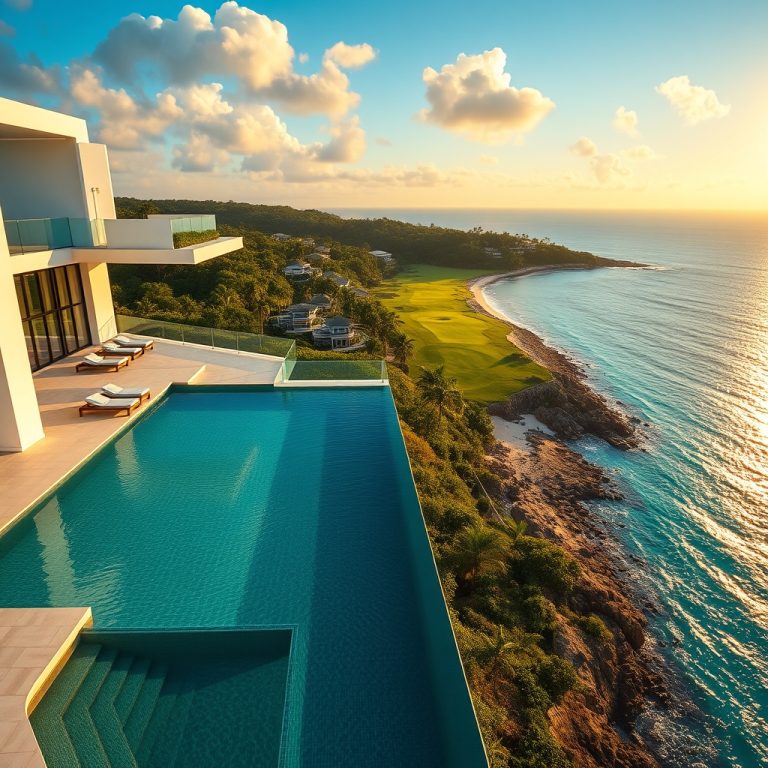
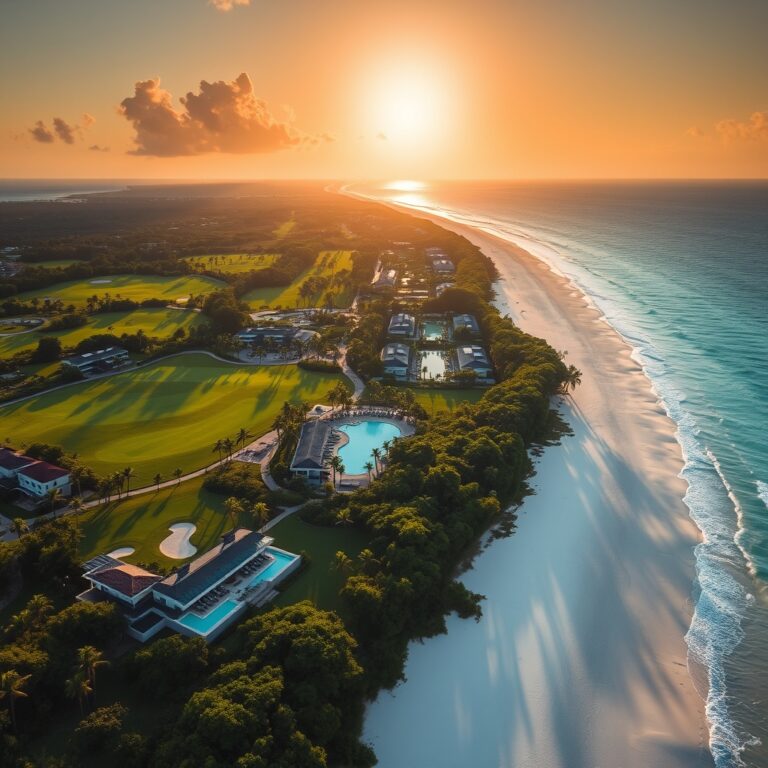
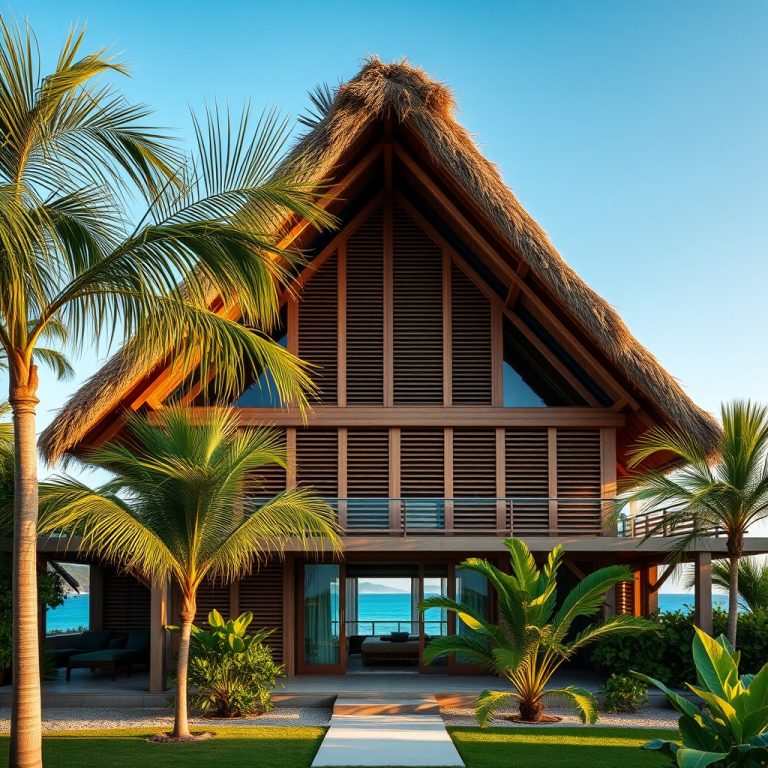
Projects such as Salado Golf & Beach in White Sands sum up this philosophy: you’re not just buying four walls. You’re buying a lifestyle. Direct access to the white sand, internationally designed golf courses, renowned spas. What’s more, unlike many saturated Spanish coastal areas, here you can breathe space. And tranquillity.
Quality of life and climate: The wellbeing factor
Beyond the numbers, quality of life is measured in health. Punta Cana’s stable tropical climate, with temperatures ranging from 25°C to 30°C all year round, is a balm for those bone and respiratory ailments so common as we reach a certain age.
Spain offers an excellent climate, I won’t deny it. But winters in the north or inland can be cold and damp. In the Dominican Caribbean, “winter” is simply a milder version of summer. It allows for a permanent outdoor lifestyle. This encourages an active way of life: walking along the beach, swimming in the sea or doing water sports becomes a daily routine, contributing to a longer and, above all, healthier retirement.
Safety and the Expat Community
It is normal to worry about safety when thinking about moving to the Caribbean. However, established tourist areas such as Bávaro and Punta Cana enjoy high levels of private and police security. High-end residential developments, such as Salado Golf & Beach, offer 24/7 security and access control. The community of residents is largely made up of Europeans and North Americans seeking the same thing as you. This creates a cosmopolitan and safe environment, where settling in and finding friends with similar interests is easier than you think.
Investment opportunities: Your pension working for you
For the pragmatic investor, retiring in the Dominican Republic does not only mean spending less, but earning more. The country is enjoying a golden moment in tourism, with record projections exceeding 11 million visitors.
Buying a property in a luxury residential development allows you to generate passive income through holiday rentals when you are not using it. We are talking about estimated returns ranging between 8% and 12% per year. The property finances itself and even generates a cash surplus. Something, let’s be honest, difficult to achieve in the current Spanish property market, where gross yields usually stay at around 4-6%.
Practical Tip for the Investor
If you plan to split your year between Europe and the Caribbean, my advice is to opt for a “turnkey” furnished apartment in a complex with rental management. That way, your home in Punta Cana will generate income while you enjoy the summer in Spain, covering those community fees and maintenance costs that hurt us so much.
Logistical aspects: Procedures and stay
Unlike Spain, where bureaucracy can sometimes be slow, the Dominican Republic has simplified many processes to attract investors and residents. Although permanent residency requires a legal process, there are streamlined pathways for property owners. Moreover, language is not an insurmountable barrier: in the Bávaro and Punta Cana area, the level of English is high and, of course, the Spanish community is large, which makes adapting much easier.
Connectivity is another strong point. Punta Cana International Airport offers frequent direct connections to major European cities (Madrid, Paris, London, Frankfurt). The trip home to visit family becomes fast and comfortable.
Conclusion: The smart choice for retirement
Choosing where to spend your retirement is one of the most important decisions you will make. While Spain offers familiarity and culture, the Dominican Republic, and specifically the Bávaro area, offers an exponential increase in quality of life for the same budget. Retiring in the Dominican Republic allows you to access a luxury standard —private beaches, golf, perfect weather— that in Europe would be a privilege of the few. All of this within a safe environment and with wealth growth potential that your pension will surely appreciate.
Projects such as Salado Golf & Beach represent the cutting edge of this lifestyle: a haven of peace by the sea where every day is designed for enjoyment, stress-free and surrounded by natural beauty. If you want your money to go further and your days to be longer and happier, the Caribbean awaits you.
Frequently Asked Questions
Is private health insurance expensive in the Dominican Republic?
No, not if you compare it with Europe. High-coverage international plans are typically between 30% and 50% cheaper than in Spain, offering access to first-class clinics.
Can I live in the DR all year round on my tourist visa?
Initially, a tourist visa allows short stays. To retire permanently, the recommended route is to apply for residency, a process that our advisory team can explain to you in detail.