The Ultimate Guide to Buying a Second Home in Punta Cana
The Caribbean has a particular sound. Waking up there changes your perspective. And if on top of that you have a golf course a stone’s throw away and your investment appreciates while you sip your coffee, things get even better. Buying a second home in Punta Cana from Europe is easier than many people think. You don’t need to be a millionaire or have connections. The Dominican Republic received 11.6 million visitors in 2025 — yes, another record — and the demand for beachfront properties shows no sign of slowing down. Here’s what you need to know to take the plunge without any headaches.
1. Why Punta Cana, of all places?
Punta Cana is in La Altagracia, the area with the most luxury hotels and top residential developments in the Dominican Caribbean. The international airport (PUJ) has direct flights from Madrid, Barcelona, Paris, London, Amsterdam… Eight hours. Eight and you’re in flip-flops.
The interesting part is the new-build market. Estimated returns hover around 8% to 12% per year from short-term holiday rentals. And the government doesn’t require an investor visa to buy. Any foreigner can acquire real estate, with no restrictions and full ownership. That’s already a point in its favour.
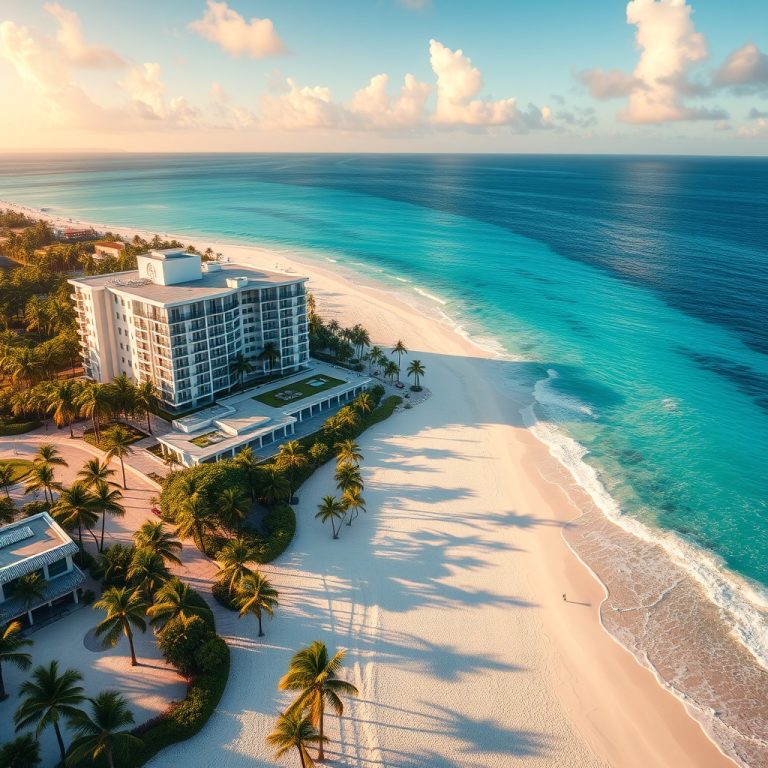
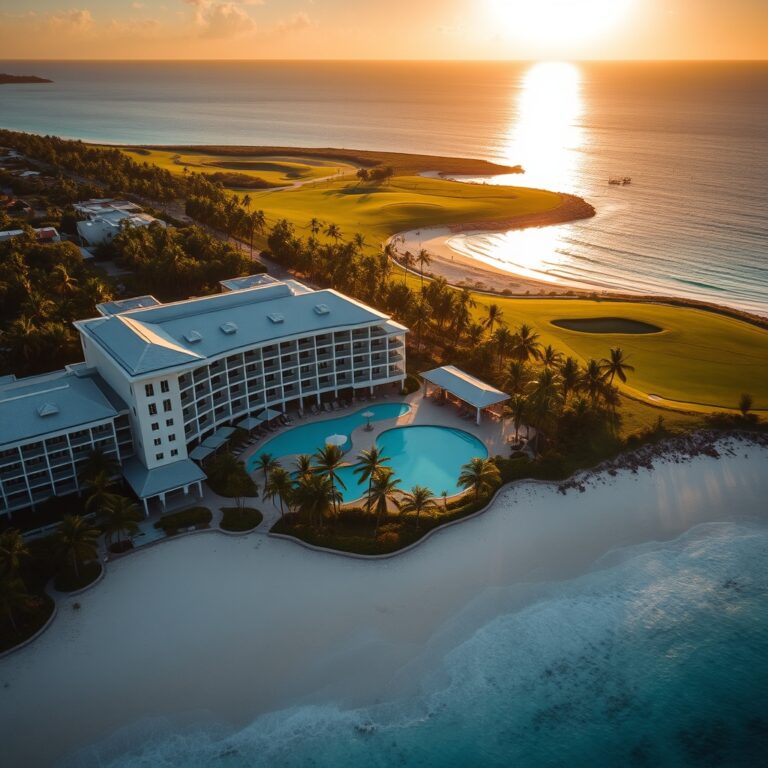
Key tip: Look for a project that has a beach, a golf course and amenities like a spa, infinity pools and 24/7 security. Salado Golf & Beach in White Sands, Bávaro, ticks exactly those boxes. I’ve seen it, and it’s no exaggeration.
2. Legal and tax matters for Europeans
Required documentation
- A valid passport. No residency visa needed.
- A Dominican tax identification number (RNC) — your solicitor handles it without you having to move a finger.
- A purchase agreement in Spanish (sworn translation optional).
- A sworn declaration of the source of funds (due to anti-money-laundering law, nothing out of the ordinary).
Taxes to bear in mind
- ITBI (Transfer Tax on Real Estate): 3% of the cadastral value or purchase price, whichever is higher.
- IPI (annual property tax): 1% of the cadastral value exceeding 9.5 million pesos (around USD 162,000).
- Closing costs: between 3% and 5% of the purchase price. Includes lawyers, registration and notary fees.
What many people don’t know: you don’t pay income tax on the sale if at least 5 years have passed since the purchase. And if you rent it out, you pay 27% tax on net income, but you can deduct maintenance and administration expenses. Does that sound like a lot? Deduct everything you can and it becomes quite reasonable.
3. How the purchase works: step by step (no beating around the bush)
The order matters. A lot. It saves you nasty surprises.
- Reserve the apartment: You put down between USD 3,000 and USD 10,000 to hold the unit. It is refundable if the contract isn’t signed for reasons beyond your control. It happens.
- Due diligence: Your lawyer reviews the land ownership, the construction permits, and checks that there are no liens. At Salado Golf & Beach everything is in order — the developers have years of experience.
- Signing the purchase agreement: This is done before a Dominican notary. Floor plans, specifications, payment schedule. Everything clear.
- Staged payments: at Salado, reservation from USD 3,000, 30% upon signing, 35% during construction in interest-free instalments and 35% upon handover of keys.
- Deed and registration: Once the property is finished, you sign the public deed and it is registered at the Title Registry Office. You receive your title of ownership.
The whole process: 6 to 12 months from reservation to keys. Dominican lawyers are used to working with Europeans. If you can’t travel, they arrange a notarised power of attorney for you. I’ve seen many people do it by video call.
Questions that always come up
Mortgage in the Dominican Republic? Yes, some banks offer financing to foreigners with a 50% deposit and terms of up to 15 years. But most Europeans pay in cash or with a mortgage in their home country. It’s a matter of interest rates.
Is local health insurance mandatory? No, but it doesn’t hurt to have international insurance that covers emergencies in the DR. In Bávaro there are clinics nearby, and the residential complex itself usually offers assistance.
Renting it out while I’m away? Of course, and that’s the beauty of it. Returns of 8-12% annually. The complex can manage holiday rentals for you. In Bávaro, average occupancy exceeds 80% in high season (November to April). Not bad at all.
4. Salado Golf & Beach: luxury without the pretence in White Sands, Bávaro
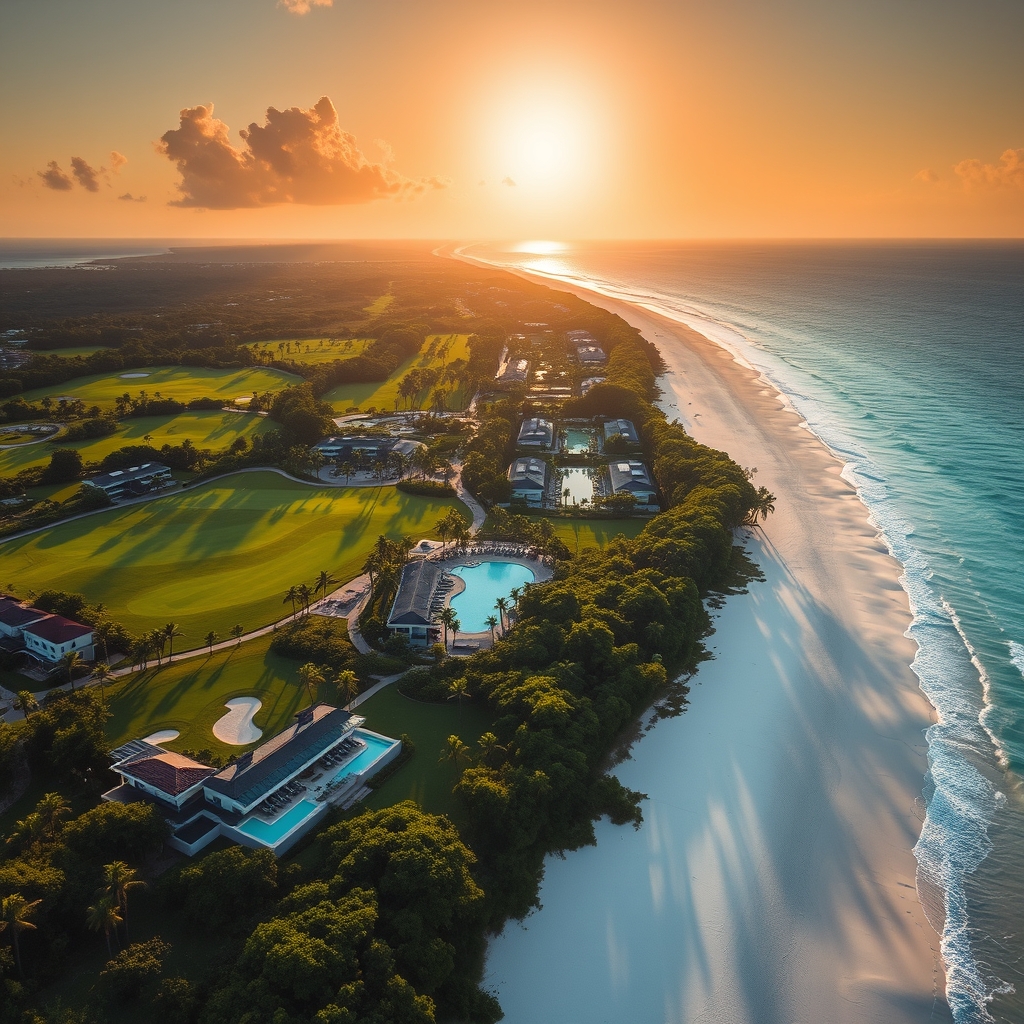
This beachfront apartment complex is the very definition of Caribbean slow living. It is located in White Sands, one of the calmest beaches in Bávaro. It features an 18-hole golf course designed by Pepe Gancedo, a world-class spa, infinity pool, gym and gourmet restaurant. Plus 24/7 security, which never goes amiss.
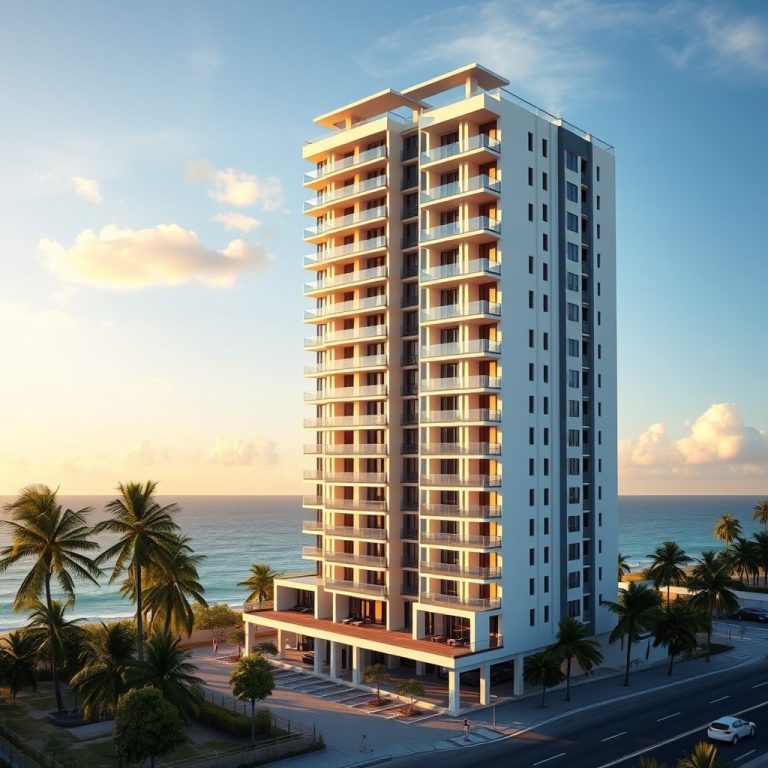
The apartments are brand new. From 2 to 4 bedrooms, high-end finishes, terraces with sea or golf course views, fully equipped kitchens. It’s not for everyone, but if you’re looking for a retreat that also generates income, this fits the bill.
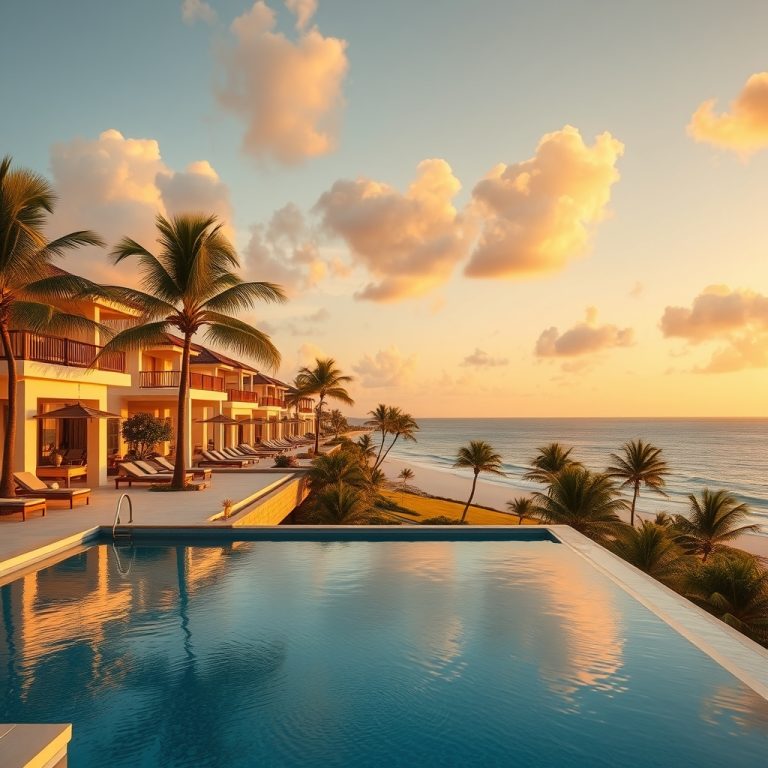
Buying here is not just buying a property. It’s gaining access to a lifestyle where the sunset is the event of the day. Salado Golf & Beach is for Europeans who want quality, exclusivity and a solid investment in the Caribbean. No frills.
To wrap up: your tax and lifestyle paradise awaits
Investing in a second home in Punta Cana as a European is simpler than it seems. The figures are there: 11.6 million tourists in 2025, double-digit returns, new builds tailored to what you ask for. From the basic paperwork to the keys, everything is designed so you can enjoy yourself without complications.
If you’re ready to take the plunge, the Residencial Group team —with a presence in Spain— will support you at every stage: from choosing your apartment at Salado Golf & Beach to managing the rentals. It’s not a decision to be taken lightly, but it isn’t that complicated either. Your corner of the Dominican Caribbean can become a reality. And a profitable one.
Your second home in Punta Cana isn’t an expense. It may well be the smartest —and most enjoyable— decision you make in a long time.