Nature and biodiversity of the Dominican east: beaches and reserves
To the east of the Dominican Republic, where the Caribbean meets the Atlantic, nature overflows. There is no way to describe it without living it. Miles of white sand coast, waters shifting from turquoise to emerald green, and a biodiversity that sometimes feels straight out of a documentary. Those who have come looking for a second home — investors, retirees, sea addicts — know that luxury here is not just the resort, but everything around it. And yes, Salado Golf & Beach promises to blend into it without breaking it. But let’s take it step by step.
Dream beaches in Bávaro and Punta Cana
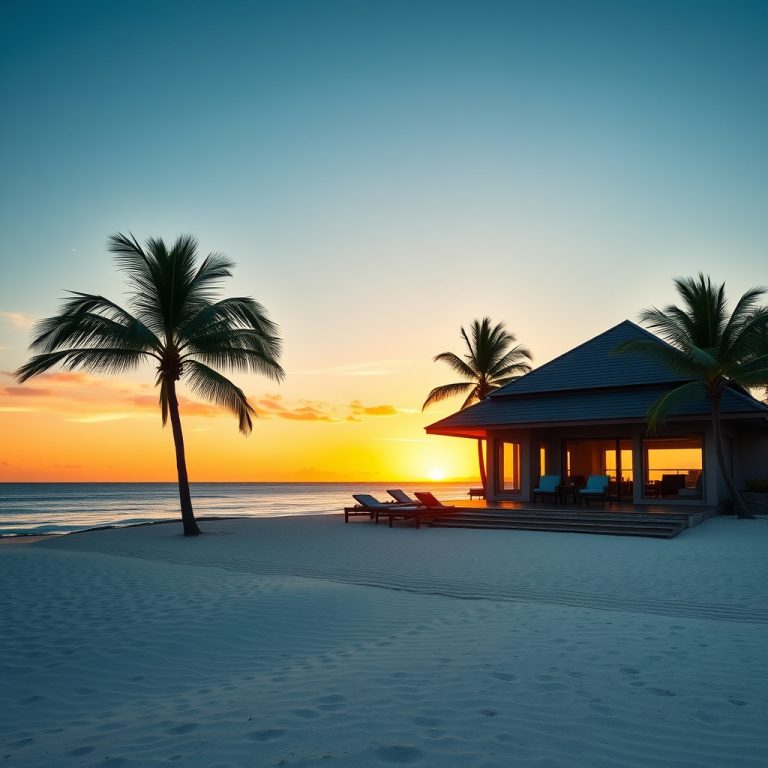
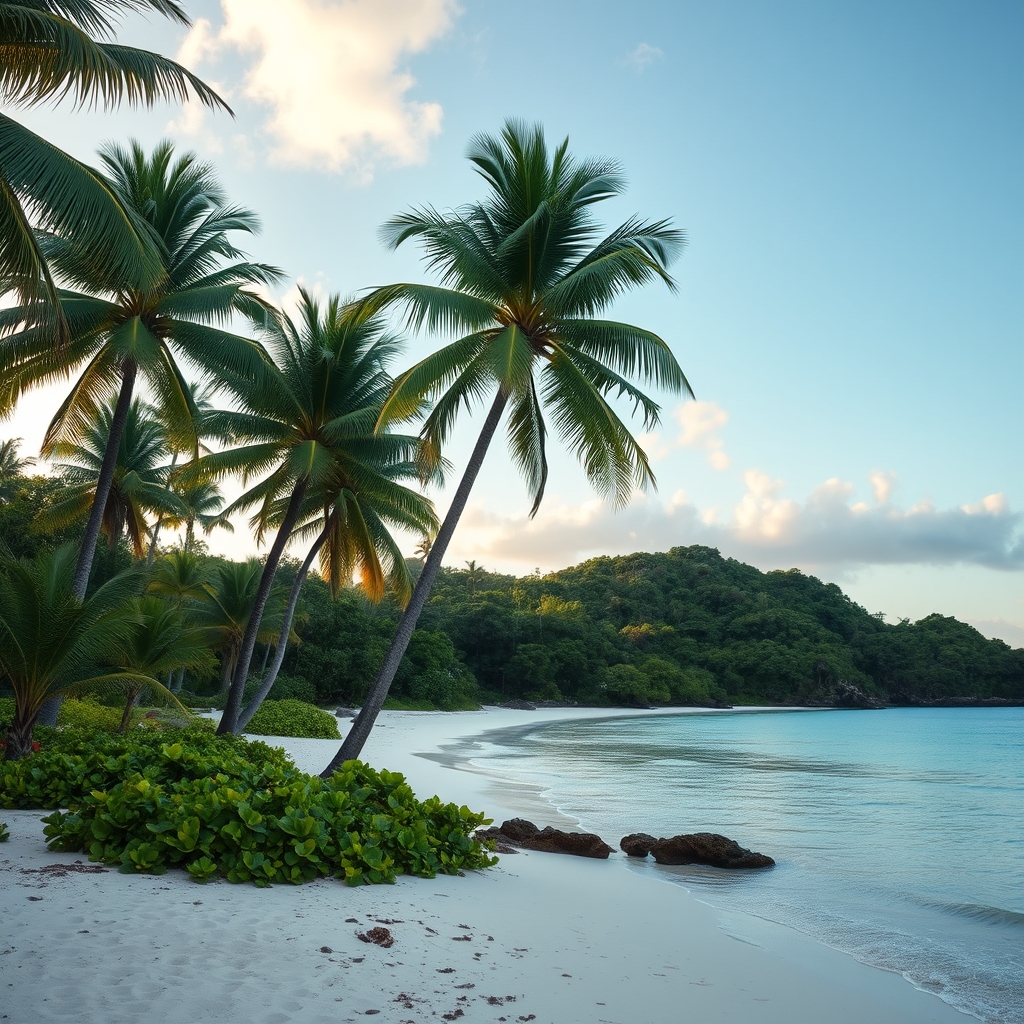
The east coast is famous for its kilometres of white sand. Playa Bávaro, with its leaning palms and coral reefs, has become an icon. The surf is gentle, perfect for paddle boarding or snorkelling. A few minutes away, Playa Juanillo is more exclusive: seaside restaurants, calm. But the ones I like are the lesser-visited ones, the ones that have not yet made it into the guidebooks. Playa Blanca or Cabeza de Toro, for example. Sand dunes, coconut palms right down to the water’s edge, and barely a few footprints on the beach.
Beneath the water, the show is something else. Colourful corals, hawksbill turtles making an appearance, schools of tropical fish. I have snorkelled in many places, but here the sunlight filtering through the waves… I don’t know, there is something different about it. For those buying in Salado Golf & Beach, living by the sea means having that every single day. And the residential development is designed not to spoil the surroundings, or so they say.
Ecological reserves: the green lungs of the Caribbean
Heads up, it’s not all beach. Further inland, the Dominican east hides nature reserves that are sanctuaries for species you won’t see anywhere else. The East National Park (an hour’s drive from Punta Cana) protects 430 km² of dry forest, wetlands and Saona Island. There you’ll come across rhinoceros iguanas —they seem from another era—, pink flamingos, more than a hundred bird species. The Indigenous Eyes Ecological Reserve is another stop I recommend: freshwater lagoons surrounded by vegetation, where you swim in crystal-clear water while listening to the birds. It’s almost unreal.
These spaces are not just tourist attractions. They represent a conservation effort which, truth be told, is costly to maintain. For Salado property owners, having these sanctuaries around the corner is a luxury that goes beyond the price per square metre. Guided excursions, hiking trails, birdwatching. All just a few minutes from home.
Practical tip: If you’re going to the reserves, bring eco-friendly repellent —the mosquitoes will thank you—, reusable water, and respect the signage. Many areas have opening hours, so set off early. The heat intensifies and so do the crowds.
Unique biodiversity: flora and fauna of the Dominican east
The nature and biodiversity here is not a slogan. In the coastal forests grow coconut palms, Indian almond trees, sea grapes, all providing shade for the local wildlife. And the fauna… the West Indian manatee appears in the lagoons, though not always. The hermit crab crosses the paths at sunset, and migratory birds —brown pelicans, white herons— make a compulsory stop on their journey south.
This biodiversity is not just pretty: it’s a sign that the ecosystem works. Projects like Salado Golf & Beach, so they say, integrate sustainable construction: gardens with native species, efficient irrigation, systems that minimise the impact. If you invest here, you’re not just buying a property, but in theory you’re helping to ensure this doesn’t disappear. Or at least you try.
Activities to connect with nature
Living in the Dominican east means being outdoors all the time. Some experiences I could never tire of repeating:
- Snorkelling on coral reefs near Playa Bávaro. Visibility exceeds 20 metres and the fish are not shy.
- Kayaking through the mangroves, especially in the Laguna de los Limones. You paddle between channels, watch birds, fish leaping… it’s incredible.
- Hiking in the Parque Nacional del Este. There are marked trails that end at lookout points with breathtaking views of the Caribbean.
- Humpback whale watching, from January to March. Samaná is two hours away, but it’s worth every kilometre. Seeing them leap is something you never forget.
All these activities are just a short distance from Salado Golf & Beach. Residents can enjoy nature without giving up comfort. That’s the point, I suppose.
Salado Golf & Beach: seaside luxury in harmony with nature
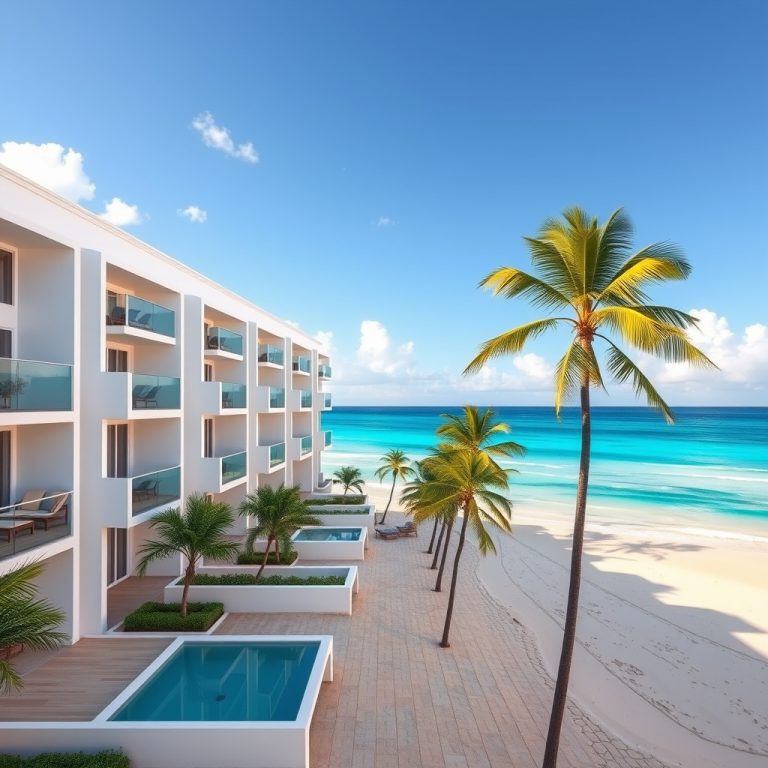
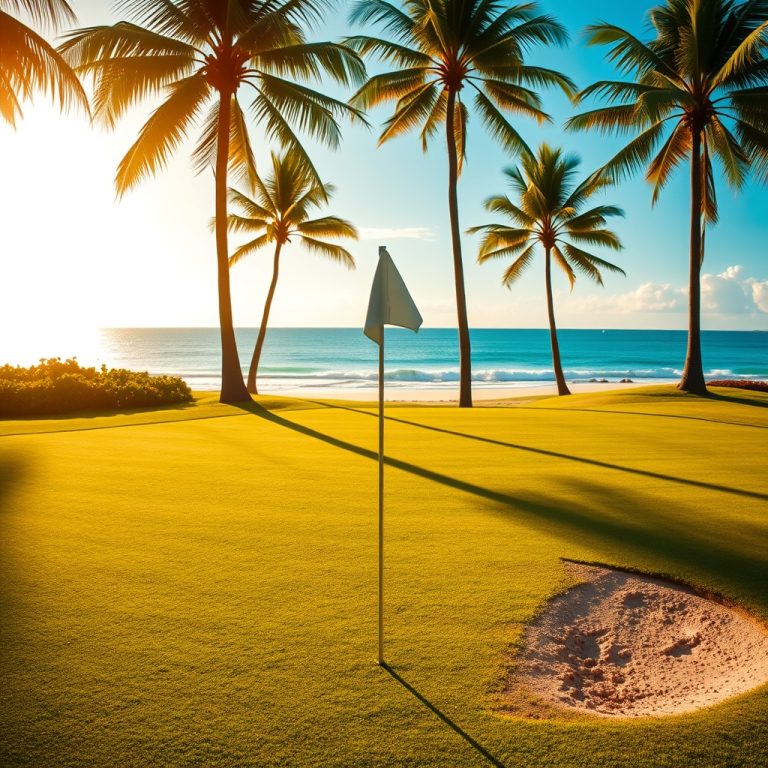
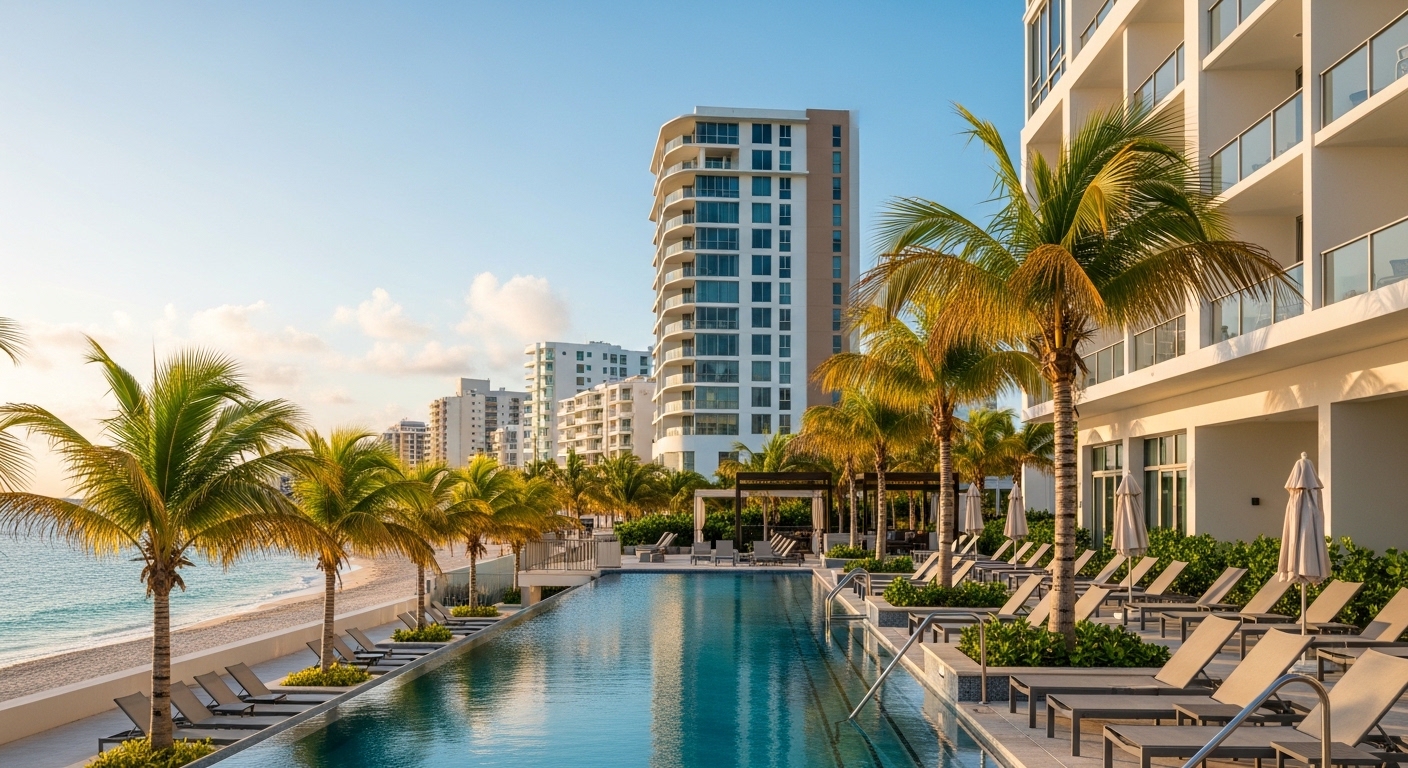
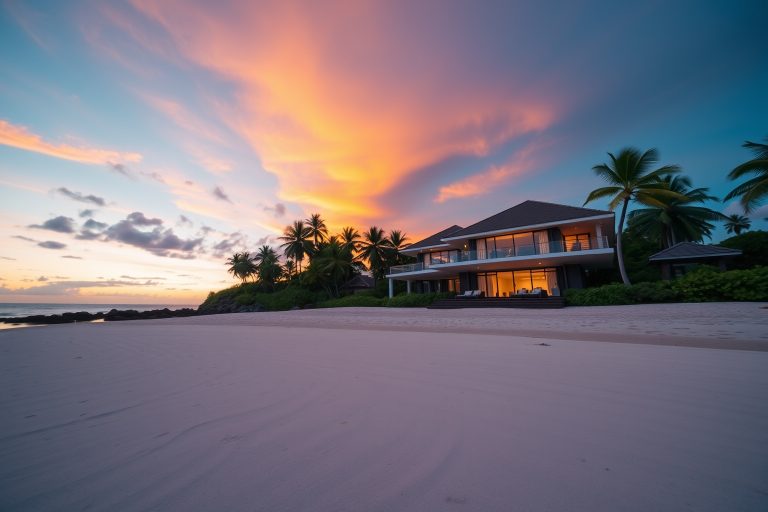
Salado Golf & Beach presents itself as a beachfront apartment residential, but it is no ordinary resort. It is more of a slow living sanctuary for those who need tranquillity while refusing to go without anything. It is located in White Sands, Bávaro, Punta Cana. Brand-new units, premium finishes, ocean views and direct access to a private beach. The 18-hole golf course blends seamlessly into the tropical vegetation, and the spa invites you to do absolutely nothing.
For European investors —and there are many—, Salado offers estimated returns of 8% to 12% per year. Tourism backs this up: the Dominican Republic received 11.6 million visitors in 2025. But numbers are cold. What really matters is waking up to the sound of the waves, the birdsong, and knowing that nature and biodiversity are not a backdrop, but part of everyday life. From the terrace, you watch sunsets that set the Caribbean ablaze while the scent of the sea mingles with that of tropical flowers. It sounds like a cliché, but it’s true.
Frequently asked questions about nature in the Dominican east
When is the best time to visit the nature reserves?
The dry season —December to April— brings sunny days and less humidity. Ideal. But the biodiversity is active all year round. Each season has its own charm.
Are there dangerous species on the beaches?
Not especially. Jellyfish and sea urchins are not common. I always recommend water shoes in rocky areas, and respecting what the park rangers say. Common sense.
How does Salado Golf & Beach contribute to conservation?
According to the project, they use energy-efficient systems, gardens with native species that require little water, and beach clean-up programmes. The flats are designed to minimise impact. It remains to be seen in practice, but the intention seems good.
A paradise to discover and preserve
The Dominican east is a treasure, yes. But not just in pretty words. Dream beaches, ecological reserves, a lifestyle that forces you to slow down. Whether you are looking for investment or a refuge, this region will captivate you. Salado Golf & Beach is a gateway, a place where every sunrise reminds you why it is worth taking care of what we have. Nature is there. You just have to decide to experience it.