Cultural heritage of the Dominican Republic: what to see near Punta Cana
The Dominican Republic is far more than white-sand beaches and turquoise waters. Behind its Caribbean fame lies a rich and varied cultural heritage, with colonial cities, impressive basilicas and musical traditions recognised by Unesco. If you are thinking of purchasing a second home in the Bávaro area of Punta Cana, getting to know this legacy will help you understand why this region offers so much more than sun and sand. In this article we tell you what to see near Punta Cana to immerse yourself in Dominican culture.
Santo Domingo’s Colonial Zone: A World Heritage Site
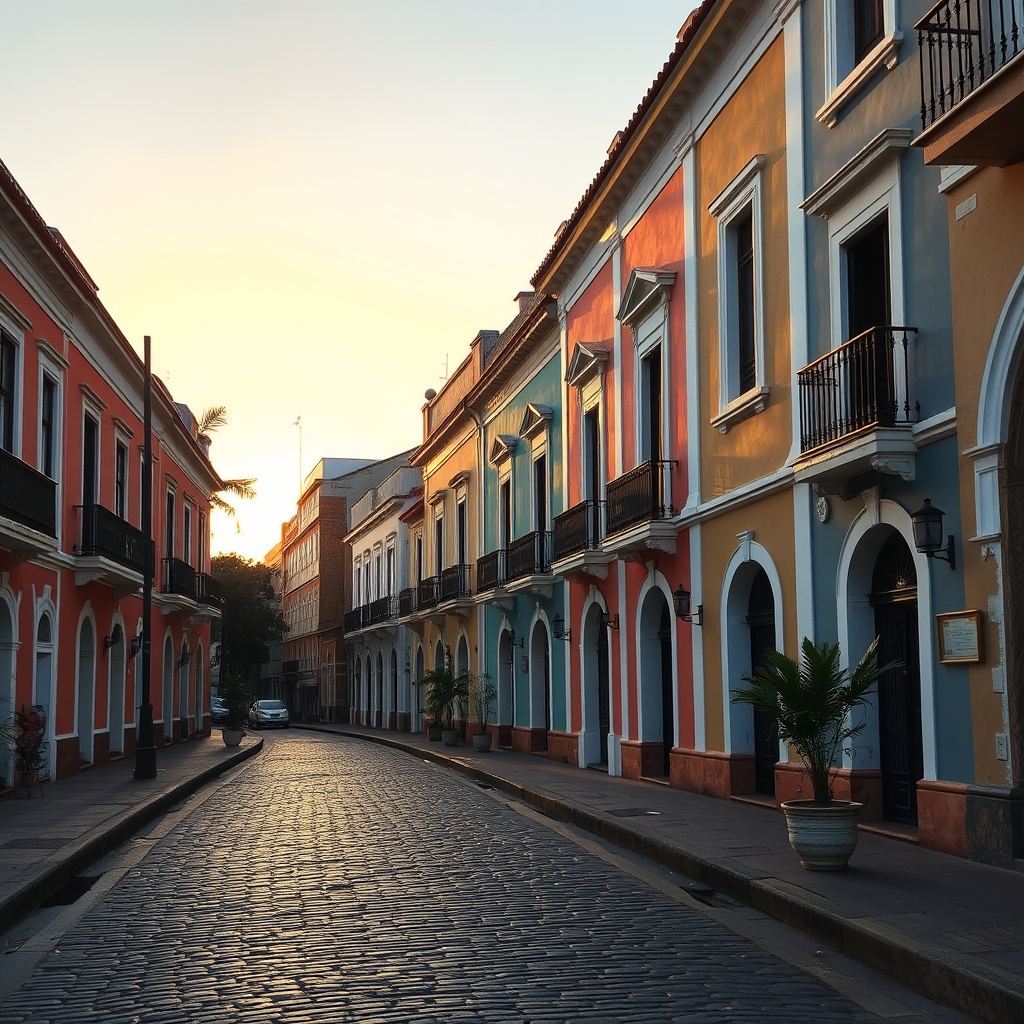
Santo Domingo’s Colonial Zone was declared a World Heritage Site by Unesco in 1990, and rightly so: it is the oldest permanent European settlement in the Americas. Founded in 1496 by Bartolomé Colón, brother of Christopher Columbus, this city was the first seat of Spanish colonial government in the New World.
Strolling along its cobblestone streets is like travelling back five centuries. Among its must-see sights are:
- Primada de América Cathedral: the oldest cathedral in the Americas, consecrated in 1541, with a remarkable blend of Gothic and Plateresque styles.
- Alcázar de Colón: the former residence of Diego Colón, son of the discoverer, now converted into a museum.
- Calle Las Damas: considered the oldest street in the Americas, lined with carefully restored historic buildings.
- Fortaleza Ozama: an impressive 16th-century fortification that guards the entrance to the Ozama River.
Santo Domingo is around two and a half hours’ drive from Punta Cana, so it is perfectly feasible as a full-day excursion, although it is well worth dedicating an entire weekend to it.
The Basilica of Nuestra Señora de la Altagracia in Higüey
Much closer to Punta Cana, around a 45-minute drive away, lies Higüey, the capital of La Altagracia province and the country’s spiritual centre. Its Basilica of Nuestra Señora de la Altagracia, inaugurated in 1971, is a masterpiece of modern religious architecture, with its characteristic parabolic arches rising towards the sky.
The church houses the image of the Virgen de la Altagracia, patron saint of the Dominican Republic. Every 21 January, thousands of pilgrims from all over the country come to the basilica to honour her, making it one of the most important religious celebrations in the Dominican calendar. Visiting it is an opportunity to discover the most authentic and devout side of the local culture.
Altos de Chavón: an artists’ village in La Romana
About 50 minutes from Punta Cana, near La Romana, stands Altos de Chavón, a recreation of a 16th-century Mediterranean village built from coral stone on a cliff overlooking the Chavón River. Although its construction is relatively recent (it was completed in the 1980s), the result is an enclave with a singular charm that has become a leading cultural centre in the Caribbean.
In Altos de Chavón you will find:
- An amphitheatre with a capacity for 5,000 people that hosts concerts and shows featuring international artists.
- The School of Arts and Design, affiliated with the Parsons School of Design in New York.
- Artisans’ workshops, art galleries and small shops where you can watch ceramicists and weavers at work.
- The Regional Archaeological Museum, with an interesting collection of Taíno objects.
Bayahibe: the essence of a fishing village
If you are looking for the most genuine Dominican Republic, the village of Bayahibe, on the shores of the Caribbean Sea, is a must-stop. This former fishing village, located near La Romana, has managed to preserve its tranquil atmosphere and picturesque character, with colourful little houses, small boats and seafront promenades where time seems to pass more slowly.
Bayahibe is also the usual starting point for excursions to the East National Park and Saona Island, one of the most photographed landscapes in the country. But beyond its beaches, its real value lies in the atmosphere: eating fresh fish at a family-run restaurant whilst chatting with the locals is an experience that no tourist resort can replicate.
Merengue and bachata: the musical soul of the Dominican Republic
Dominican culture cannot be understood without its music. In 2016, Unesco declared merengue Intangible Cultural Heritage of Humanity, and in 2019 it did the same for bachata. Both genres were born among the Dominican people and today they are a hallmark of national identity.
Merengue, with its cheerful, danceable rhythm, is heard at every celebration, whilst bachata, more melodic and sentimental, has conquered dance floors around the world. In Bávaro and Punta Cana you won’t have to go far to enjoy them: in the squares, restaurants and local parties, music is always present, and learning to dance is one of the most rewarding experiences for those who settle in the area.
A cultural environment that adds value to your investment in Bávaro
Purchasing a second home in Bávaro is not just about buying a property facing the Caribbean: it is access to a region with a complete lifestyle proposition, where beach leisure is combined with cultural excursions, charming towns and a living local identity. This wealth of experiences is precisely what makes the area so attractive for tourism all year round, a key factor if you are looking to generate income from your property through holiday rentals.
Within this context, the Salado Golf & Beach apartment development, in White Sands, Bávaro, offers off-plan apartments from 170.000 USD. It is a real estate development with a flexible payment plan: reservation from 3.000 USD and 30 % upon signing, 35 % during construction and the remaining 35 % upon delivery, scheduled for April 2027.
Its advantages include the tax benefits of the CONFOTUR programme, which can mean significant savings for the buyer, and an estimated return of 8-12 % per year from holiday rentals, taking advantage of the area’s strong tourist demand. An environment where the cultural heritage of the Dominican Republic is just a short drive away undoubtedly adds another argument for those seeking a second home with future potential.
Frequently asked questions
How far is the Colonial Zone of Santo Domingo from Punta Cana?
The Colonial Zone is around two and a half hours by car from Punta Cana, via the Autopista del Este. It is a highly recommended full-day or weekend excursion.
Why is buying off-plan in Bávaro interesting?
Buying off-plan allows access to more competitive prices and staggered payment plans during construction. In the case of Salado Golf & Beach, the reservation starts from 3,000 USD with 30 % upon signing, and the development comes with CONFOTUR tax benefits.
What is the estimated return on a holiday rental apartment in Bávaro?
The estimated return from holiday rentals in the Bávaro area stands between 8 % and 12 % annually, thanks to the constant tourist demand the area