Buying in the Dominican Republic: A 2025 Guide
Buying in the Dominican Republic: Your gateway to the Caribbean
European investors are increasingly looking this way. The Dominican Republic. It is not just about the sun or the beach; they are seeking security and returns. In Bávaro, Punta Cana, the activity is real. The luxury market is in full swing, driven by tourism that is expected to break records with 11.6 million visitors by 2025. But the question always hangs in the air. Just how easy is the legal process, really, to acquire a piece of paradise in the Caribbean?
Forget the suffocating bureaucracy of other countries. Here the legislation works in your favour, especially if you are coming from abroad. You can hold full ownership, without the convoluted trusts that complicate life elsewhere. I have seen how many seek that 8-12% annual return, or simply a place to disconnect from the world. The path is transparent. Whether for renting or living, buying a new beachfront flat is simpler than you imagine.
The process step by step: Without complications
Buying here follows an order. A legal structure that protects both parties, seller and buyer. In high-end developments such as Salado Golf & Beach, in White Sands, things are made easy. Having an expert team, like Residencial Group, makes all the difference. They already know the way.
1. Reservation and Promise Contract
Start by choosing. You see the flat, imagine life there and make the decision. Then the Promise of Purchase and Sale Contract is signed. It is the document that binds the parties. It fixes the price, conditions and timelines. This is where you hand over the reservation deposit. It is your way of saying: “I mean business”.
2. Due Diligence
Of course, in new builds with a solid reputation the risk is low. But it never hurts to check. Due diligence is essential. A local real-estate solicitor verifies that there are no liens, that the construction permits are in order and that the developer actually owns the land. In Salado Golf & Beach, being a consolidated area with new construction, that peace of mind almost comes as standard.
A tip: Don’t skimp on the local solicitor. Look for one who knows real-estate law. Their fee is usually 1% of the value. Think about it. It’s the best insurance policy you can buy for your money.
3. Notarisation
When you have paid the agreed amount or met the conditions, it’s time to sign the Declaration of Transfer. This is the Definitive Contract. It is done before a Dominican notary. This document is vital. It is what allows you to register the property in your name at the Registry of Titles. There, legally, the asset becomes yours. Full stop.
4. Registry of Titles and “Deslinde”
There’s one final stretch: the registration. Your solicitor takes the contract to the corresponding Registry of Titles —in this case, La Altagracia—. For new apartments there is an indispensable document: the Certificado de Deslinde. It is the legal horizontal division. Without it, you cannot register an apartment in your name. Serious developers, like this one, handle the process so you receive your home “turnkey” and legally perfect.
Associated costs: Total transparency
You need to know how much we’re talking about. To plan the investment, you need the numbers. When buying here, the closing costs —transfer taxes, stamps, notary— usually range between 3% and 4% of the declared value of the property.
- Transfer Tax: Paid once only, on the first purchase.
- Legal Fees: The solicitor’s and the notary’s fees.
- Registration Costs: Administrative fees of the Registry of Titles.
Keep in mind the annual tax (IPI) once you own the property. The good news is there is a strong exemption for properties below a certain amount. This benefits many people buying luxury apartments in the area. A relief for the wallet.
Why choose Salado Golf & Beach to invest?
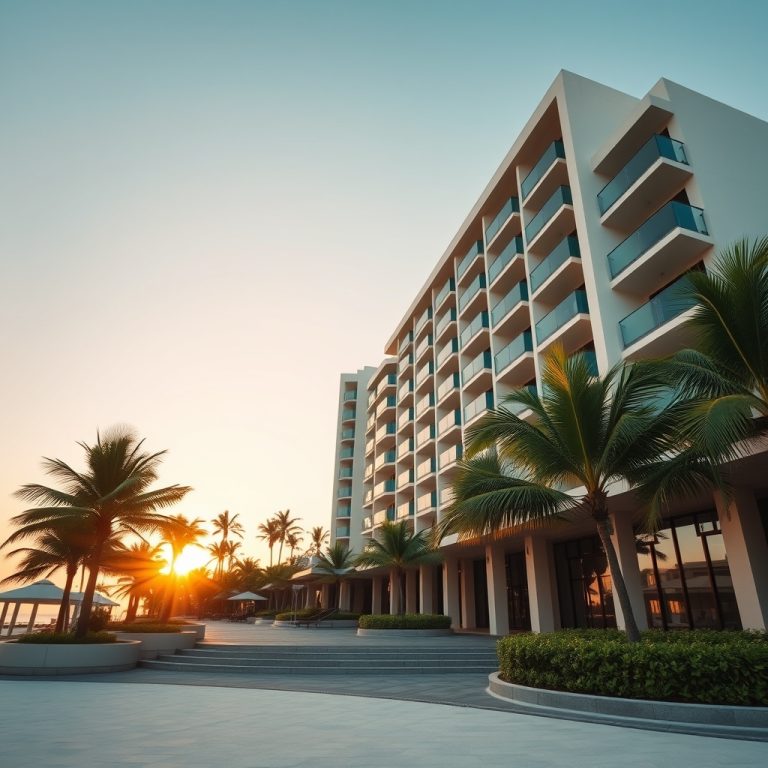
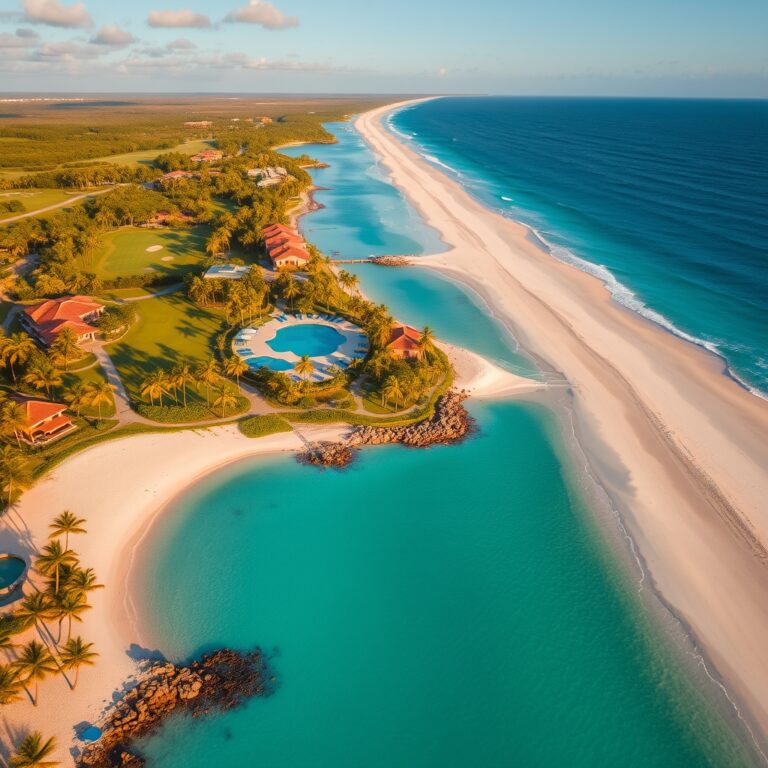
There are many options in Punta Cana, that is true. But buying at Salado Golf & Beach is something else. It is the culmination of that ‘slow living’ concept you hear so much about. You are not just buying square metres. You gain access to an exclusive beachfront community at White Sands.
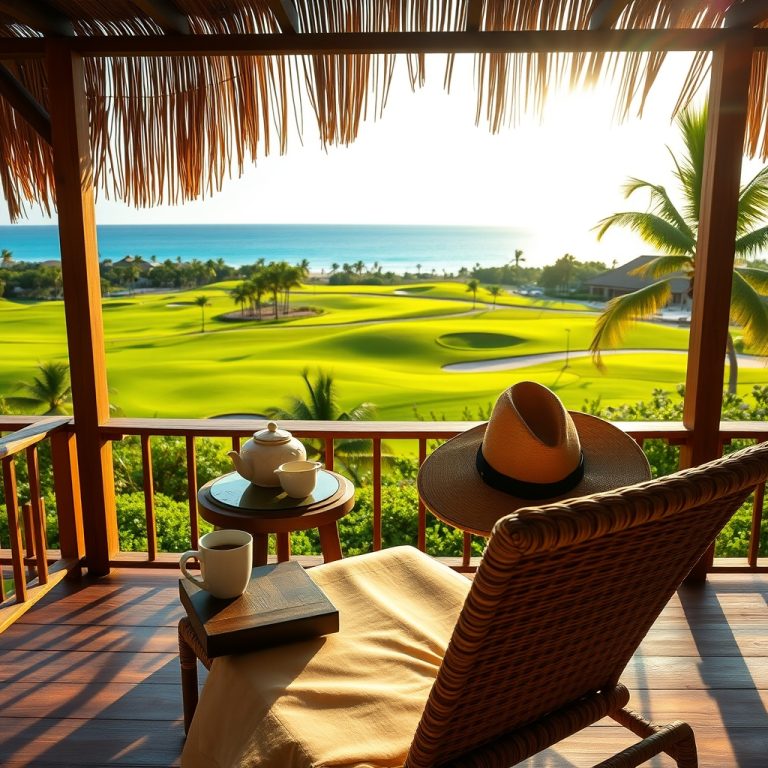
The offering combines two things that are usually incompatible: a first-class golf course and a first-class wellness spa. Premium services so that time seems to stand still. If you are an investor, look at the location in Bávaro. It guarantees tourist occupancy and capital appreciation, especially with the record arrival of visitors that is expected.
To wrap up
Buying in the Dominican Republic mixes excitement with finances. It is a decision of both head and heart. The process is accessible. Safe. Very attractive for us Europeans, especially in Punta Cana. If you choose well, if you go for developments that offer quality of life and solidity, like Salado Golf & Beach, you secure more than just returns. You secure a haven. Looking for a balance between profitable investment and absolute relaxation? Bávaro is the end of the road.
Frequently Asked Questions
Can foreigners buy property in the Dominican Republic without restrictions?
Yes, quite simply. The law here treats foreigners the same as locals. You do not need Dominican partners or special permits. Property rights are the same.
How long does the purchase process take?
It depends. With new builds, the clock runs according to the construction schedule. But once the unit is handed over to you, the legal side —deed signing and registration— usually takes between 30 and 60 days. It is not endless.
Is my physical presence required to complete the procedure?
There is no need to travel. You can grant a power of attorney to your lawyer. He signs on your behalf before the notary. This way, you can manage everything from Europe without leaving your sofa.