7 Common Mistakes When Investing in the Caribbean (and How to Avoid Them)
Investing in the Caribbean is one of the most attractive financial moves right now: constantly growing tourism, above-average returns, high demand in holiday rentals and strong property market appreciation.
But, as with any international investment, there are frequent mistakes that can affect profitability, legal security and the buyer’s experience.
In this complete guide we explain the 7 most common mistakes when investing in the Caribbean and, above all, how to avoid them.
1️⃣ Not verifying legal backing, permits or certifications
One of the most serious mistakes — and unfortunately one of the most common — is not reviewing the legal documentation, the title deeds and the construction permits.
Many buyers assume that all projects are up to date, but that is not always the case.
Risks:
-
Loss of money or lengthy delays.
-
Constructions halted due to lack of permits.
-
Problems when registering the property.
-
Inability to access tax incentives such as CONFOTUR.
How to avoid it:
-
Always request:
-
Title of the land
-
Construction permit
-
Registration of the project with the Ministry of Tourism (if applicable)
-
Preliminary or definitive CONFOTUR certificate
-
-
Check that the developer has a verifiable track record and reputation.
-
If possible, use a local lawyer specialising in tourism real estate.
2️⃣ Underestimating maintenance and management costs
Many investors focus solely on the purchase price and forget that tourism projects require maintenance, cleaning, administration, insurance and furniture replacement.
Risks:
-
Actual returns lower than expected.
-
Unexpected expenses that affect cash flow.
-
A deteriorated property if it is not properly managed.
How to avoid it:
-
Request a complete annual projection:
-
Maintenance
-
Electricity
-
Water
-
Taxes
-
Sinking fund
-
Rental management
-
-
Choose projects with centralised management; this reduces costs and maintains tourism standards.
-
Insure the property against damage, hurricanes and liability.
3️⃣ Choosing a location based only on price (and not on value)
Price matters, but in the Caribbean location is everything.
Many investors choose projects that are far away, with limited access or in areas without real development simply because the price is attractive.
Risks:
-
Low rental demand.
-
Slow appreciation.
-
Greater difficulty when selling.
How to avoid it:
-
Prioritise consolidated or genuinely growing tourist areas: Punta Cana, Bávaro, Cap Cana, Las Terrenas, Samaná…
-
Evaluate:
-
Access routes
-
Security
-
Presence of hotels
-
Distance to the beach
-
Future infrastructure
-
-
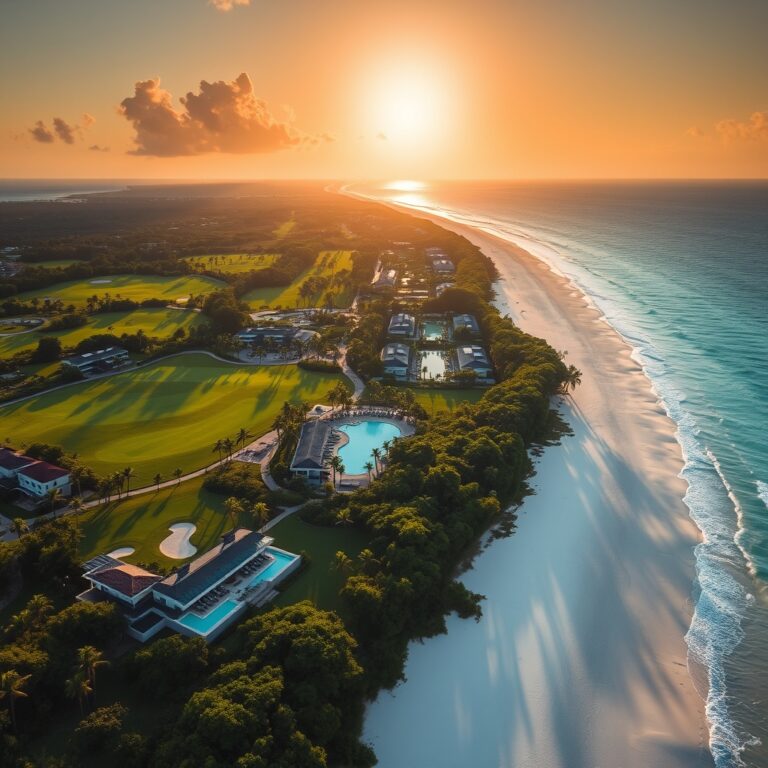
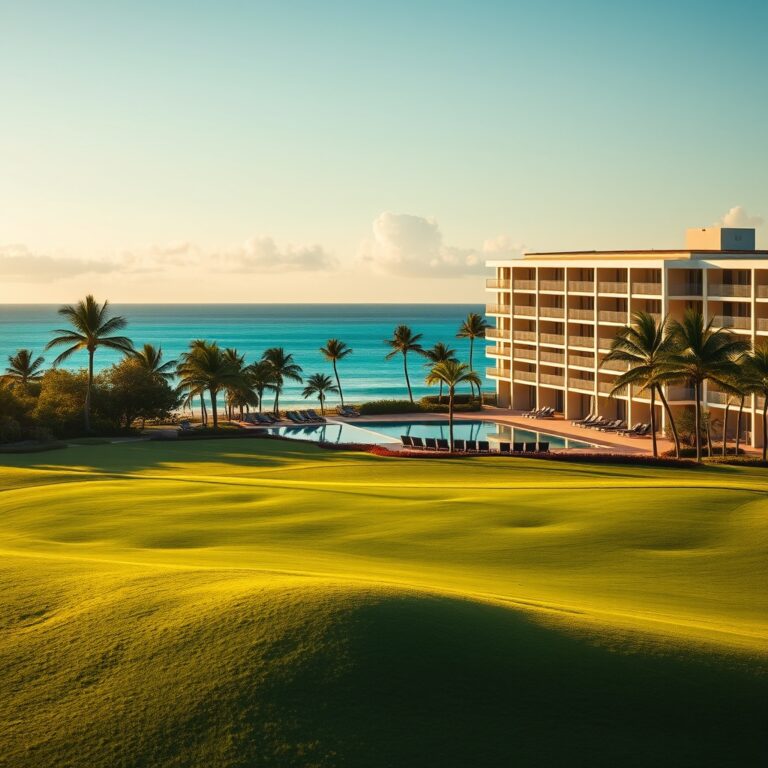
Look for projects within gated communities or close to golf courses and premium amenities.
4️⃣ Making unrealistic occupancy projections
Holiday rentals in the Caribbean are highly profitable, but some buyers get carried away with overly optimistic projections (80%–90% per year), which rarely reflects market reality.
Risks:
-
Income lower than expected.
-
Early disillusionment with the investment.
-
Inability to cover fixed expenses.
How to avoid it:
-
Evaluate real data from platforms like Airbnb, Booking or MITUR statistics.
-
Consider seasonality: low season, high season and tourist peaks.
-
Request projections based on real comparables.
-
Opt for projects with strong amenities, as these raise occupancy (swimming pool, coworking, gym, security, modern design…).
5️⃣ Not accounting for the cost of furniture and tourism standards
A tourist property needs professional furniture, durable appliances and décor adapted to the holiday rental market.
Many buyers underestimate this expense or buy domestic furniture that cannot withstand intensive use.
Risks:
-
Negative reviews.
-
Lower occupancy.
-
Constant replacement due to wear and tear.
How to avoid it:
-
Consider an extra budget of 10% to 15% of the property’s value.
-
Request from the developer or administrator the inventory of equipment needed.
-
Verify that the furniture complies with the tourism standards of the area.
-
Choose durable, easy-to-clean materials, prioritising quality over design when they conflict.
Choose projects that offer turn-key furnishing packages.
Make sure you meet the standards that platforms like Airbnb value:
-
Reliable Wi-Fi
-
Fully equipped kitchen
-
Smart TV
-
Quality mattresses
-
Efficient air conditioning
-
Modern, neutral décor
6️⃣ Ignoring holiday rental regulations
Every country and every area of the Caribbean has different regulations regarding:
-
Rental licences
-
Income declaration
-
Condominium rules
-
Tourism registries
-
Tax rates
Many investors are unaware of these rules until after they have already bought.
Risks:
-
Fines
-
Temporary rental ban
-
Temporary rental ban
-
Legal restrictions on operating
-
Unforeseen taxes
How to avoid it:
-
Check whether the project allows holiday rentals from the outset.
-
Verify whether a condominium regulation exists and what restrictions it includes.
-
Seek advice on local taxes:
-
ITBIS
-
ISR (if applicable)
-
-
Make sure you have a management company that knows the regulations.
7️⃣ Buying without defining a real objective (living, holidaying, investing)
Many buyers purchase a property without being clear about the final purpose, and this affects the choice of project.
Risks:
-
Buying something that does not suit your needs.
-
Low returns if you don’t choose the right product.
-
Wear and tear from trying to “adapt” the property afterwards.
How to avoid it:
Define your goal before investing:
✔️ To live:
Look for space, privacy, services, community and access.
✔️ To vacation:
Prioritise amenities, proximity to the beach and entertainment.
✔️ To invest:
Location + amenities + price + management = winning formula.
✅ Quick guide: How to avoid all these mistakes (summary)
-
Verify legal backing, permits and certifications.
-
Calculate the real costs of maintenance and management.
-
Assess the location based on demand, not just price.
-
Ask for projections based on real data.
-
Include the furniture in your investment plan.
-
Know the holiday rental regulations.
-
Define your goal before buying.
🏝️ Conclusion: Investing in the Caribbean is safe and profitable… if you know how to do it
The Caribbean — and Punta Cana in particular — offers one of the most solid tourist property markets on the continent.
Avoiding these mistakes and following good practice will allow you to:
-
Maximise your profitability
-
Protect your investment
-
Secure stable occupancy
-
Reduce risks
-
Make decisions with confidence
Projects such as Salado Golf & Beach Resort have been designed to offer transparency, legal backing, premium amenities and a strategic location within the tourist environment.