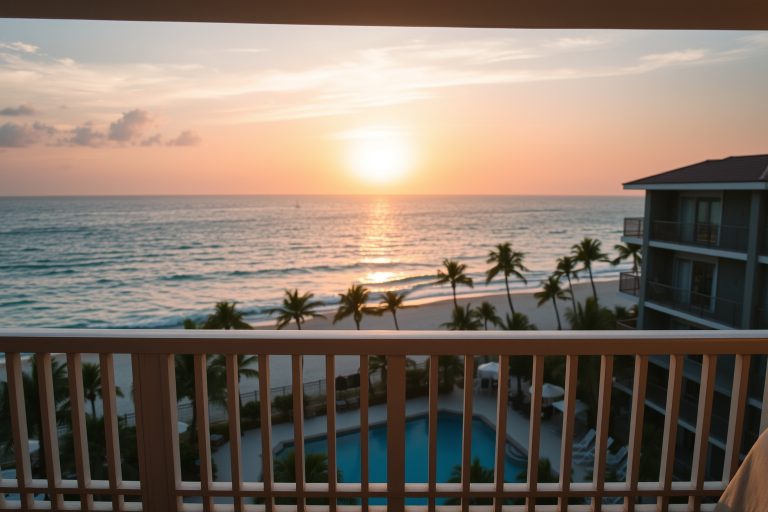
The value of landscape design in seaside golf resorts
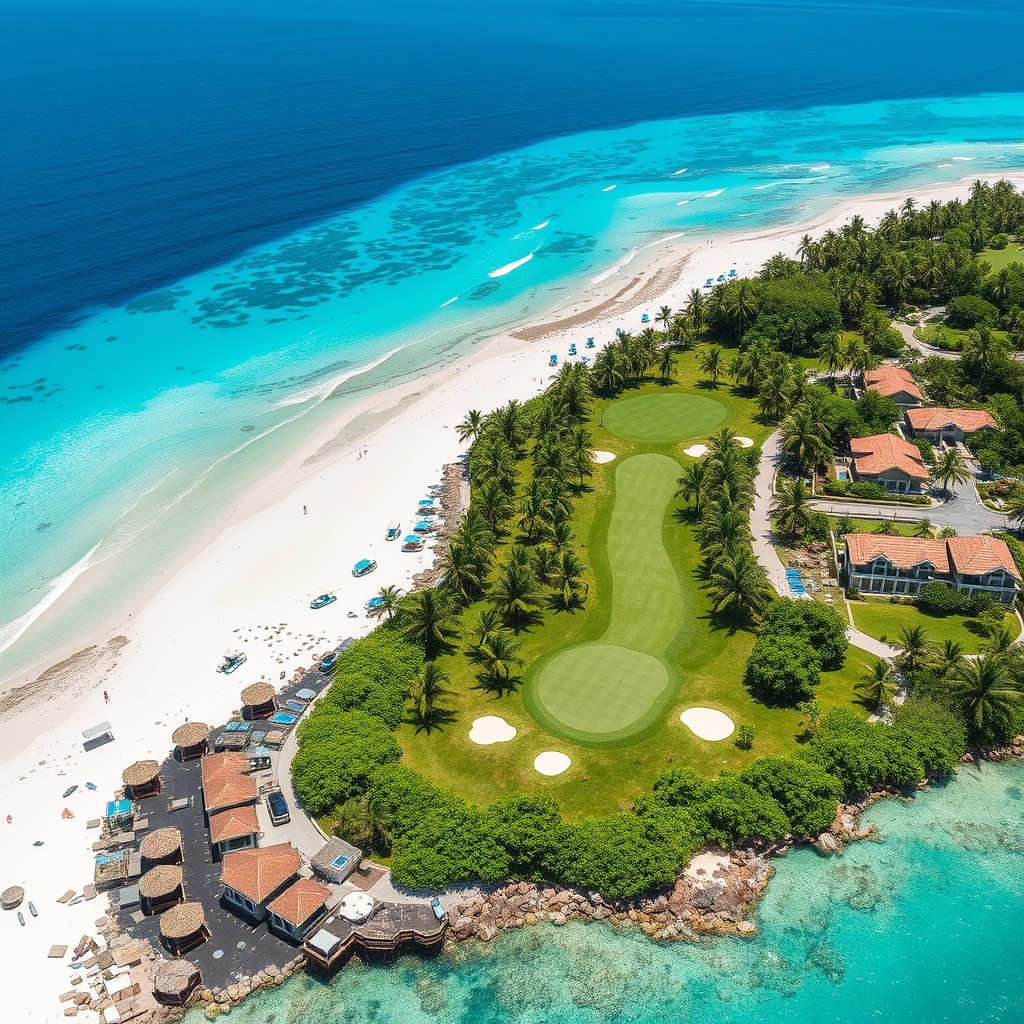
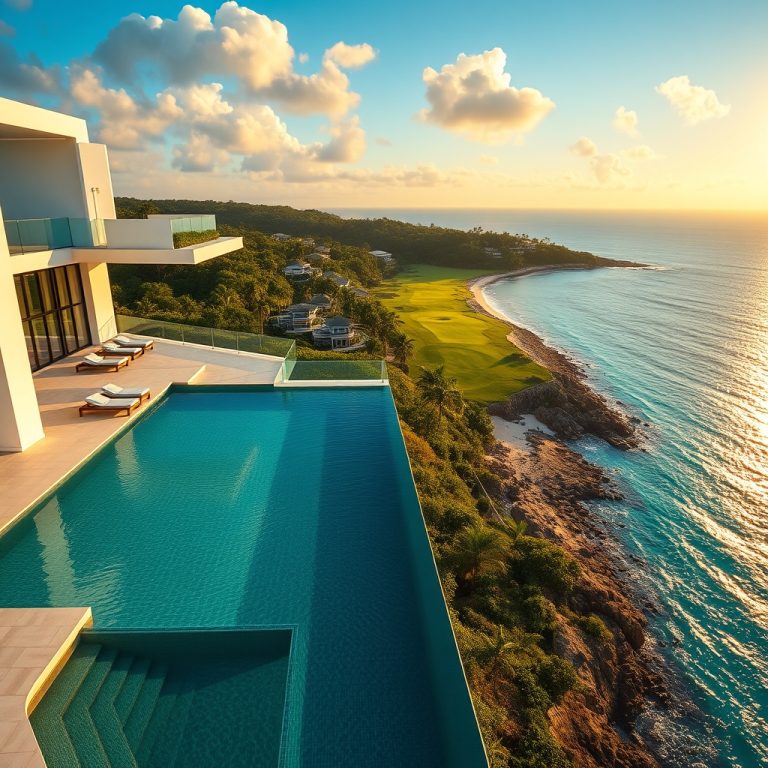
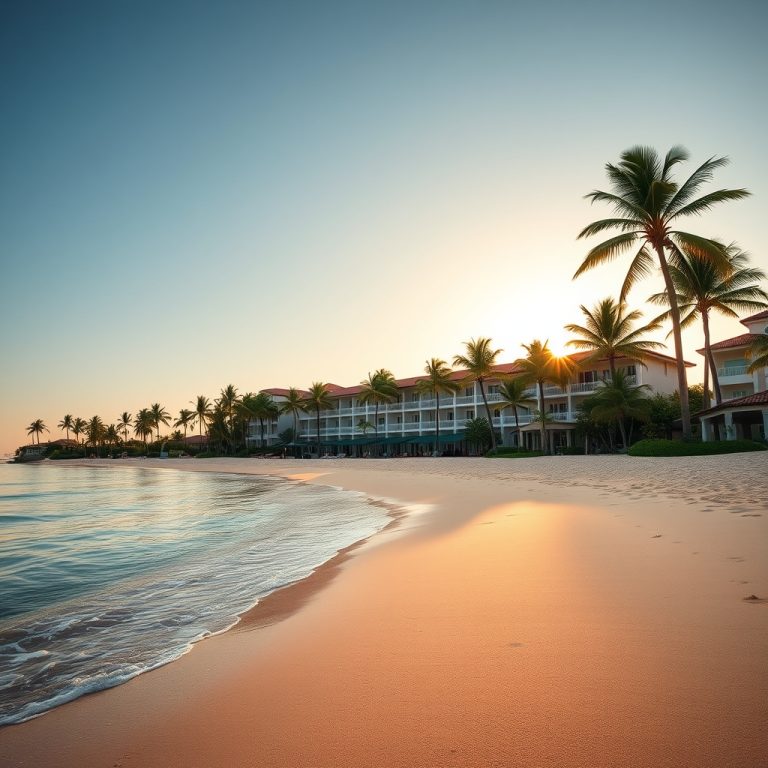
The Caribbean has consolidated Punta Cana as one of the most dynamic tourist and residential destinations in the Caribbean. In this setting, where white-sand beaches and golf courses coexist with lush tropical vegetation, landscaping ceases to be mere ornamentation and becomes a key factor of value. In this article we analyse why landscaping in a beachfront golf resort influences property appreciation, residents’ quality of life and environmental sustainability, with examples and references from the Dominican context.
What is landscape design in a golf resort
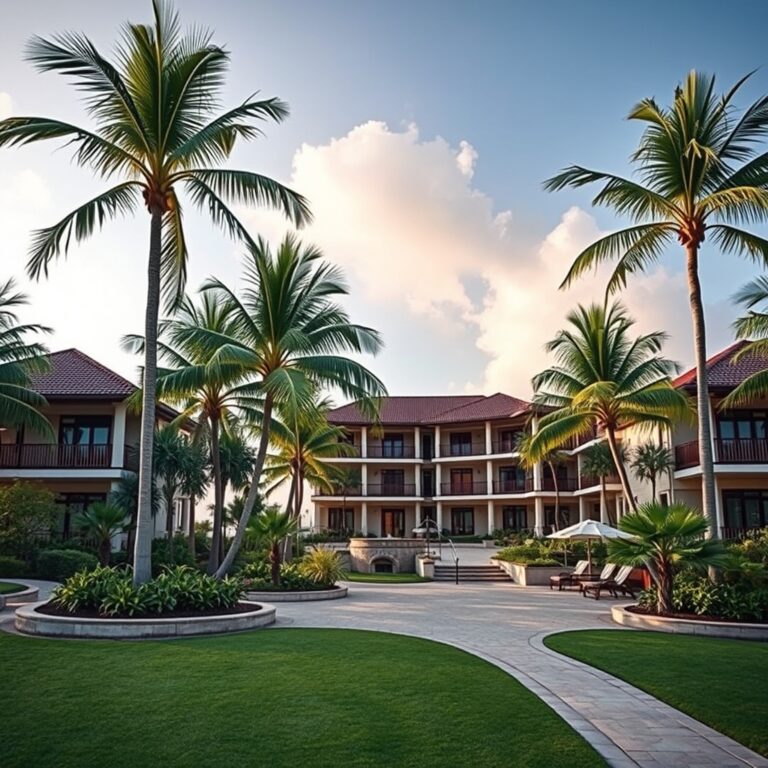
Landscape design is the discipline that organises and articulates the outdoor spaces of a development: vegetation, pathways, shaded areas, irrigation, outdoor lighting and the relationship between the buildings and their surroundings. In a beachfront golf resort, this work takes on a special dimension, because it must integrate three very different layers of land: the golf course or playing green areas themselves, the communal gardens of the development and the coastal strip.
In practice, a good landscaping project in Punta Cana pursues several objectives simultaneously:
- Visual integration: buildings that blend with the tropical vegetation rather than imposing themselves on it, using coconut palms, sea grapes, beach grape and other species native to the area.
- Climate comfort: well-placed vegetation provides shade, reduces perceived temperature and channels the sea breeze towards terraces and communal areas, something highly valued in a Caribbean climate.
- Functionality: pedestrian paths, rest areas and outdoor living spaces that extend daily life beyond the interior of the home.
- Privacy and order: plant screens and natural barriers that separate residential, sporting and service uses without resorting to artificial fences.
The result is an environment that feels well cared for at first glance, something that in the Caribbean property market translates directly into a perception of quality.
The impact of landscaping on property value appreciation
Various studies from the international property sector agree that well-designed green surroundings and views over landscaped areas or golf courses increase the value of homes compared with similar properties without such surroundings. In second-home and holiday investment markets, such as Punta Cana, this effect is amplified by short-term rental demand: guests hugely value landscaped settings, which improves the occupancy and the rates an apartment can achieve.
In practice, landscaping influences value appreciation through several channels:
- Perceived quality of the development: well-maintained common areas are the first sign that a project is well managed and will be kept that way over time.
- Protected views: apartments overlooking green areas or open countryside retain their appeal in the long term, because those views are guaranteed by the development’s own planning regulations.
- Competitive differentiation: in a market with an abundant supply of apartments for sale, a carefully designed landscape helps a development stand out from the rest.
- Lower long-term maintenance costs: a design based on adapted species requires less irrigation and fewer plant replacements, which protects the community’s finances and, with them, the value of the properties.
For those buying off-plan, as is the case with developments under construction in Bávaro and Punta Cana, assessing the master plan’s landscaping project is just as important as assessing the apartment’s square metres.
The living experience created by a well-designed landscape
Beyond investment, living —or spending periods of time— in an environment with carefully designed landscaping changes the everyday experience. In the Caribbean, where life takes place largely outdoors, the landscape is not decoration: it is the setting of daily life.
A resident of a development next to tropical green areas enjoys:
- Outdoor walks and relaxation among palm trees and native vegetation, with natural shade all year round.
- A sense of spaciousness and calm: unobstructed views towards green areas reduce the perception of density and enhance wellbeing.
- A connection with Caribbean nature: birds, blossoms and the sound of the sea create a living environment that is rarely found in dense urban settings.
- Proximity to local leisure: in Punta Cana, this landscape coexists with renowned beaches such as Playa Bávaro, internationally rated golf courses and all kinds of tourist services, restaurants and leisure options in the area.
This lifestyle is, in turn, the strongest commercial argument for the investor: an apartment where people enjoy spending time rents better and resells more easily.
Sustainability: native species, water management and respect for the coastline
Responsible landscape design in a Caribbean environment rests on three fundamental pillars.
Native and adapted species
Planting species native to the Dominican Republic —coconut palms, palma cana, sea grapes, almonds, hibiscus and other salt-tolerant plants— drastically reduces maintenance and irrigation needs. These species are adapted to the climate, the salt-laden wind and the sandy soils of the area, so they grow with less intervention and provide habitat for local wildlife.
Efficient water management
Irrigation is the biggest consumer of resources in any tropical landscaping project. Sustainable projects rely on drip irrigation, the selection of low water-consumption plants, mulching to preserve soil moisture and, wherever possible, the reuse of treated water. A design that is well planned from the outset costs less to maintain and reduces the water footprint of the entire development.
Respect for the coastline
The Dominican coastline is a fragile ecosystem. Responsible landscaping respects dune and coastal vegetation, which anchors the sand and protects against erosion, avoids invasive species and organises development whilst leaving the natural protection of the shoreline intact. This is not only a requirement from an environmental standpoint: it preserves precisely the landscape that gives value to the whole area.
Tips for investors and buyers
If you are considering buying an apartment in a beachfront golf development in Punta Cana, landscaping should be among your decision criteria. Some practical recommendations:
- Review the master plan: check which green areas are planned, where they are located in relation to your unit and whether the views are protected from future construction.
- Ask about maintenance: landscaping based on native species translates into more sustainable community fees in the long term.
- Consider orientation and the breeze: well-designed outdoor spaces improve the apartment’s climate comfort and reduce air conditioning consumption.
- Assess the holiday rental potential: landscaped surroundings are a clear asset for tourist demand. In dev