
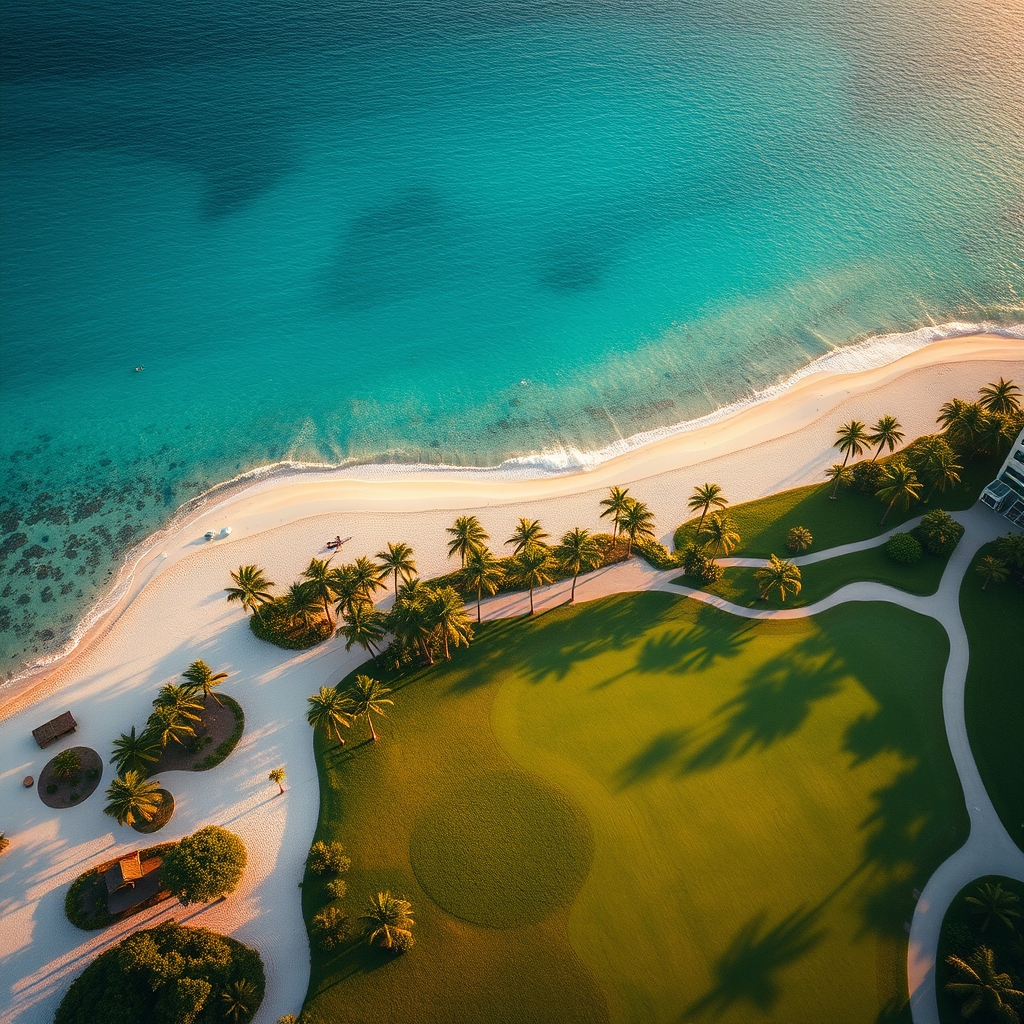
Financing for European investors in Punta Cana: the complete 2025 guide
Buying a beachfront house in Punta Cana sounds like a dream. And it is. But many European investors are left wondering how to pay for it from thousands of kilometres away. Here are the real options, no beating around the bush: from the deposit to the mortgage, including what nobody tells you about the timelines.
Can a European obtain financing in the Dominican Republic?
Yes, it is possible. Dominican law places no obstacles in the way of foreigners. Local banks offer mortgages to non-residents. They are not like European ones – higher rates, shorter terms, 15-20 years – but they work. In projects such as Salado Golf & Beach, which is delivered in phases, the norm is to combine payments during construction with a loan at the end. I have seen several investors do it this way. It minimises risk and leaves room for manoeuvre.
Usual payment methods for new builds in Punta Cana
Luxury developments usually structure payments in phases. Here is how it works:
- Reservation and private contract: You sign, and put down a deposit of 10-15%. It is non-refundable, but it secures the unit and freezes the price (which is no small thing).
- Progressive payments during construction: Instalments in between, another 20-30% spread over 6-12 months. Most people here use savings or bank transfers.
- Payment on delivery: When construction is finished, you pay the balance. If you have an approved mortgage, the bank settles directly with the developer.
- 100% cash payment: Some developments offer discounts of 5-10% for early payment. If you can, it is the most profitable option.
Practical tip from Salado Golf & Beach: If the developer is solid, the payment terms are negotiable. Always ask whether you can tailor the schedule to your liquidity. Most of the Europeans I know pay 40% during construction and finance the rest on delivery.
Mortgage loans for non-residents in the DR
If you take out a mortgage there, these are the key requirements:
- Personal documentation: A valid passport, proof of income (tax returns, bank statements from your country) and references.
- Length of employment or business history: They usually require at least 2 years of verifiable activity.
- Guarantor or additional security: Depends on your profile. They may ask for a co-signer or a guarantee over another property.
- Typical terms: Variable rate between 8-10% per annum (in US dollars), maximum term of 20 years and an LTV of up to 70% of the appraised value.
- Recommended institutions: Banks such as Popular, BHD and Reservas have international banking departments. I have worked with them and they are familiar with Europeans.
Alternative: financing in your country of origin
Many investors choose to apply for a mortgage with their usual bank (in Spain, Germany or France) and then transfer the capital to the Dominican Republic. It can work out cheaper if your bank accepts international mortgages. Not all of them do. Some Spanish institutions do, provided you can show that the property is located in a destination with capital appreciation. In any case, it is best to have local legal advice to avoid duplicating set-up costs.
International transfers and currencies
Payments are usually made in US dollars (USD) or euros, although for new-build developments many developers set the price in USD. For large transfers (over USD 10,000), you will be asked to justify the source of the funds. I have seen people use Wise or TransferGo and save considerably on fees. Always keep the receipts for the wealth declaration in your country. And note: the Central Bank of the Dominican Republic allows capital to be repatriated without restrictions. You can sell and send the money back home.
Frequently asked questions about financing for European investors
Do I need home insurance to obtain the mortgage? Yes, Dominican banks require insurance against fire and structural damage. Salado Golf & Beach has agreements with local insurers to make this easier.
Can I rent out the flat before I finish paying for it? Not until handover. But once construction is complete, holiday rentals can deliver an estimated return of 8-12% per year. The residential complex includes a rental manager as standard.
Are there additional taxes for foreigners? Yes, ITP (Property Transfer Tax) is 3% of the purchase value, plus notary fees (0.5-1%). Capital gains on resale are taxed at 27% for non-residents.
Estimated returns: the appeal of investing in Punta Cana
11.6 million visitors are projected for 2025. Demand for high-end holiday accommodation in Bávaro keeps growing. A two-bedroom flat at Salado Golf & Beach can generate rental income that comfortably covers the mortgage instalment. The estimated net return, after management and maintenance costs, is around 8-12% per year. Not bad compared with other Caribbean destinations.
Conclusion: your action plan as a European investor
To sum up: sign a private contract with progressive payments during construction. Upon completion, look for a mortgage with a local Dominican bank or with your European bank if it offers international mortgages. The key is to structure payments in advance, engage a local legal adviser and be clear that Punta Cana is one of the most dynamic markets in the Caribbean. Distance is no excuse. The financing tools exist and are designed for investors like you.