
Investing in the Dominican Republic as a foreigner: 2025 tax and legal guide
Why is investing in the DR safe and profitable for foreigners?
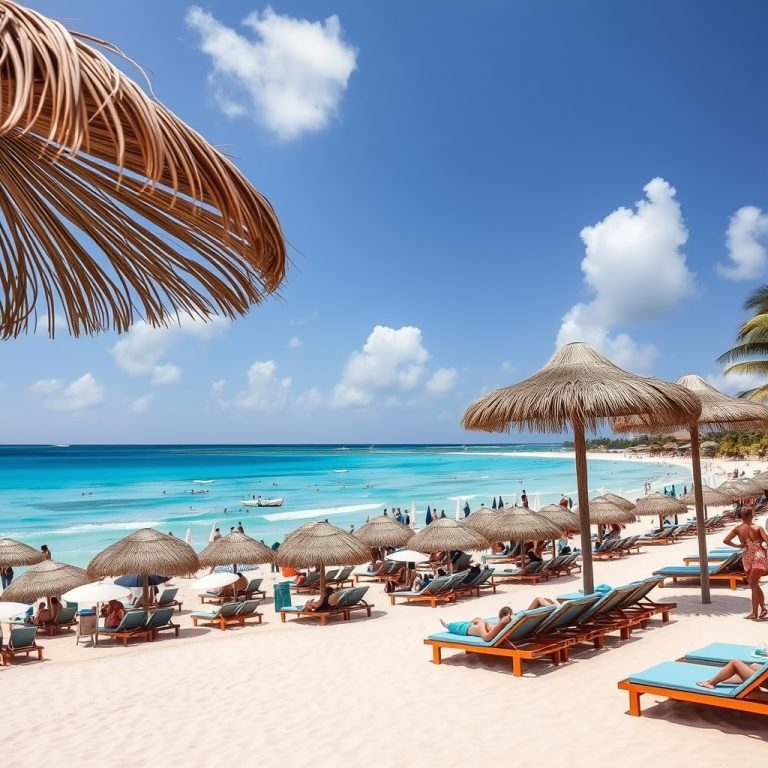
The Dominican Republic has become fashionable among international investors. And no wonder. With 11.6 million visitors in 2025 and an economy that shows no signs of faltering, the country offers tax and legal advantages that few Caribbean destinations can match. Buying a property here is not just about having a home by the sea. It is an opportunity. Annual returns range between 8% and 12%, depending on the area and the type of property.
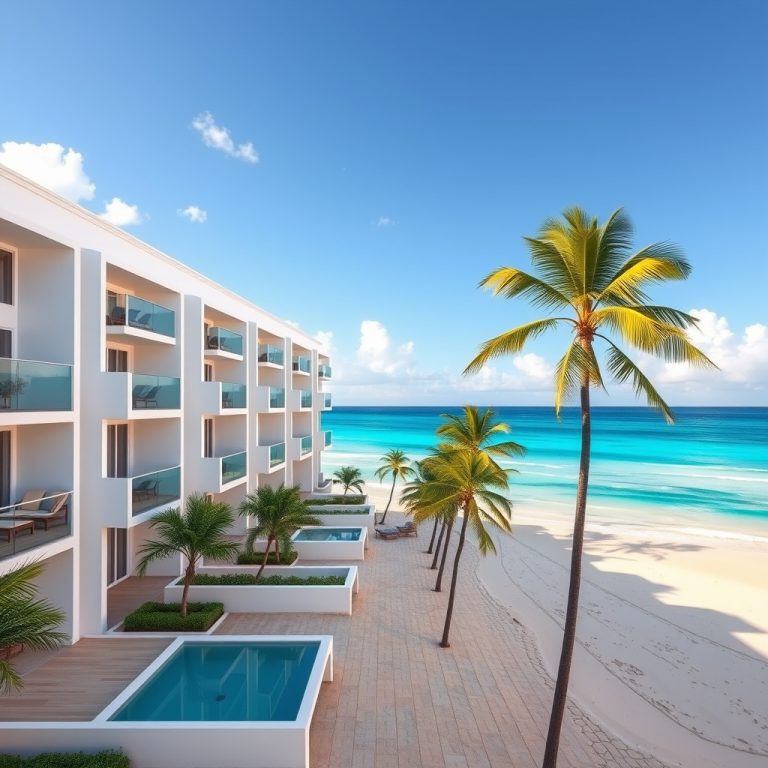
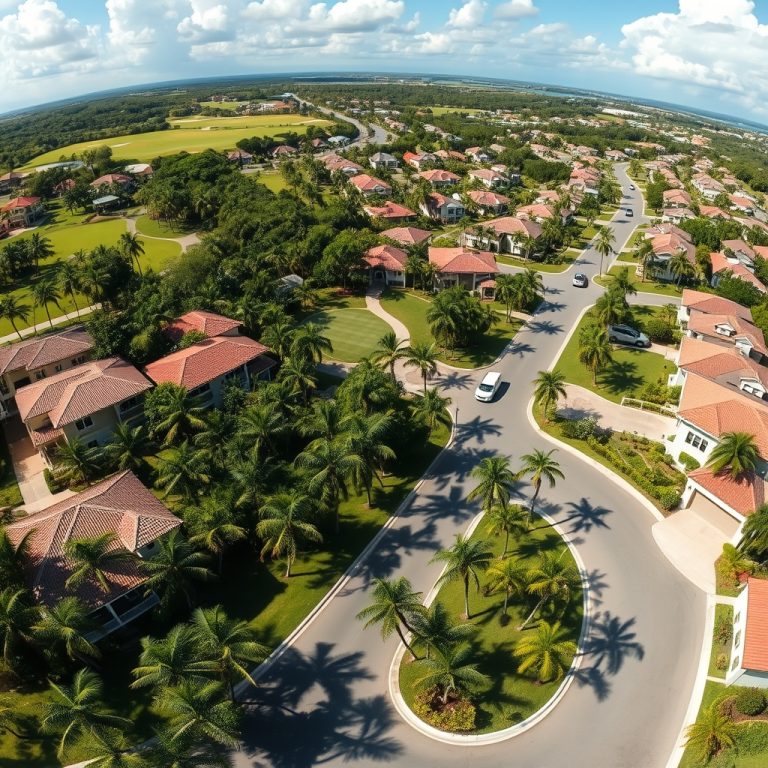
At Salado Golf & Beach, a new-build residential development in White Sands, Bávaro, Punta Cana, we combine exclusivity, golf and spa with a legal framework that protects the foreign investor. More and more Europeans are choosing it for their second home or investment. Why? Keep reading.
Legal framework: rights and guarantees for the foreign investor
The Dominican Constitution and the Foreign Investment Law (Law 16-95) guarantee equal treatment between nationals and foreigners. You can buy, own and sell real estate without restrictions, except in border areas (which do not apply to Punta Cana). You do not need residency or any special permit. Your passport and a tax identification number (RNC), which your advisor can arrange within days, are all you need.
Legal certainty in property transactions
The process is carried out before a public notary and is registered with the Registry of Titles (Torrens system). This gives you a property title with full legal validity. At Salado Golf & Beach we work with specialised lawyers. They verify the chain of ownership and guarantee a clean transfer. Moreover, the country is a signatory to bilateral investment treaties with Spain and other European countries. Peace of mind? Yes, plenty of it.
Protection against expropriation
Dominican law prohibits expropriation without prior and fair compensation. Any foreign investment is protected by the International Centre for Settlement of Investment Disputes (ICSID). This means that, should a conflict arise, you can resort to international arbitration. It is not something that happens often, but knowing it is there helps.
Key tax advantages for foreigners investing in the DR
The Dominican tax system is designed to attract foreign capital. These are the main advantages you will enjoy when investing in the DR as a foreigner:
- No income tax on capital gains if you sell your property after 5 years of ownership (before that deadline, it is taxed at 27% on the gain only).
- Property transfer tax (ITBI) of 3% on the purchase value, one of the lowest in the Caribbean.
- Exemption from wealth tax: you do not pay annually for owning a home, unlike countries such as Spain or France.
- ITBIS (VAT) reduced to 0% on the purchase of brand-new homes (such as those at Salado Golf & Beach).
- Rental income: taxed at 27% on net income, but you can deduct maintenance, administration and insurance expenses.
Practical tip: To maximise your net return, structure the purchase through an offshore company in a fiscally neutral jurisdiction (such as Panama) if your tax residence is in a high-tax country. Always consult a local adviser.
Real returns: how much can you earn with an apartment in Punta Cana?
Luxury beachfront apartments in Bávaro enjoy tourist occupancy above 80% per year. With record-breaking tourist arrivals, demand for holiday rentals remains sky-high. At Salado Golf & Beach, we estimate a gross return of 8-12% per year, combining capital appreciation and rental income. It is not a promise. It is what we are seeing.
Practical income example
A two-bedroom apartment at Salado Golf & Beach (starting price from around 250,000 USD) can generate:
- Holiday rental: USD 150-200/night in high season.
- Average occupancy: 250 nights/year.
- Gross annual income: ~USD 45,000.
- Expenses (maintenance, management, insurance): ~USD 12,000.
- Net income: ~USD 33,000 (net yield ~13% on purchase price).
These figures are indicative and may vary, but they reflect the real potential of the market. I have seen similar things with clients who already operate there.
Step-by-step buying process for foreigners
If you decide to invest in the DR as a foreigner, the path is simple and transparent:
- Choose the property: select from the new-build apartments at Salado Golf & Beach (beach, golf and spa included).
- Reservation and contract: you sign a promise of sale contract with a deposit (10-30% of the value).
- Legal due diligence: our team verifies titles and the absence of liens.
- Financing: you can pay in cash or apply for a mortgage with Dominican banks (up to 70% for foreigners with a good profile).
- Deed and registration: the public deed is granted and registered with the Registry of Titles (total cost ~5% of the value, including ITBI and fees).
- Handover of keys: in 6-12 months, depending on the construction phase.
Frequently asked question: Do I need an investor visa? No. Buying a property does not require residency. If you wish to stay for more than 30 days, you can apply for a tourist visa (extendable) or residency through investment (from USD 200,000 in real estate).
Conclusion: your opportunity at Salado Golf & Beach
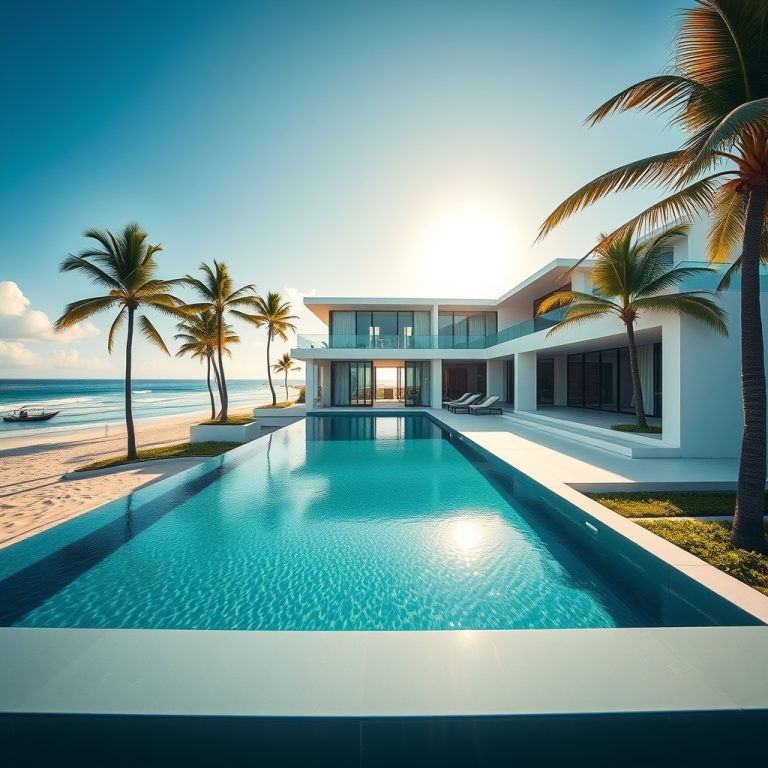
Investing in the Dominican Republic means legal security, low taxes and high returns. The country offers a stable environment, a booming tourism market and legislation that protects the foreign investor. At Salado Golf & Beach, an exclusive residential development in White Sands, Bávaro, Punta Cana, you will find new-build beachfront apartments, with a golf course, spa and premium services designed for Caribbean slow living.
Don’t wait any longer. 2025 is the ideal year to secure your second home or investment in the Dominican Caribbean. Contact Residencial Group in Spain or get in touch directly with our team and discover why foreigners investing in the DR is the smartest decision for your wealth.