Buying property in the Dominican Republic: a step-by-step guide
If you’re looking at a property purchase in the Dominican Republic, especially in places like Punta Cana, there’s something you should know: the process is more transparent than many people think. And it’s designed so that a foreigner can do it without going mad. The country has been building a legal framework that protects the buyer, with a system of registered titles and functioning public notaries. Here I’ll walk you through each phase, based on what I’ve seen in practice, so that your Caribbean investment doesn’t turn into a headache.
Is it really worth investing here?
Look at the numbers. The Dominican Republic broke its record with 11,6 million visitors in 2025 and its tourism economy keeps on growing. In areas like Bavaro – where Salado Golf & Beach is located – we’re talking about a return of around 8-12% per year on holiday rentals. And something important: the country doesn’t ask you for any strange permits to buy as a foreigner. Just a valid passport and a tax number (RNC), which your advisor helps you obtain. Nothing out of this world.
The steps. Step by step.
The process is divided into phases. Better to know them before you jump in.
1. Reservation and the famous option-to-purchase document
You choose the apartment and sign an option-to-purchase or reservation contract. You normally leave a reservation deposit (on new builds, like at Salado, from USD 3.000, this secures the unit and the price for you). That contract already sets out the payment schedule and the estimated delivery date. Simple.
2. Getting a lawyer to dig into things
This isn’t a whim. Hire a local lawyer specialised in real-estate law. They will verify that the property has no debts, mortgages or complications. In already-certified new projects – like Salado Golf & Beach – the developer usually has the permits and a clean title. But having the lawyer check it at the Registry of Titles of the Dominican Republic gives you peace of mind. I’ve seen cases where people skip this step and surprises appear later.
3. The big signing and the interim payments
Once due diligence checks out, the purchase agreement is signed before a notary public. This is where the payment plan is set: in Salado, 30% at signing, 35% during construction (in stages) and the remaining 35% upon handover of the keys. Many developers offer in-house financing or discounts if you pay in cash.
4. Registering the property in your name
Construction finishes, you receive the flat and it is time to settle taxes (the ITBI — Property Transfer Tax — is 3% of the sale value). The property is then registered in your name at the Registry of Titles. The whole process, from signing the contract to having the deed, usually takes between 90 and 120 days.
Practical tip: Make sure the property price is in dollars or euros. And that the contract states it. In projects like Salado Golf & Beach, payments are usually made in USD. That way you protect yourself from the ups and downs of the local peso. It happened to a friend of mine who didn’t and he nearly went mad.
What is (and isn’t) required from foreigners
Dominican law puts no obstacles in your way if you are not a resident. All you need is:
- A valid passport (no investor visa needed).
- A National Taxpayer Registry number (RNC) — your solicitor or the estate agency will arrange it.
- Proof of the source of funds (for large amounts, you will be asked for bank paperwork).
Annual taxes? There is nothing specific for foreigners. Property tax only applies if your assets exceed around 200,000 USD, at a minimum rate of 1%. In other words, next to nothing.
Punta Cana and projects like Salado Golf & Beach
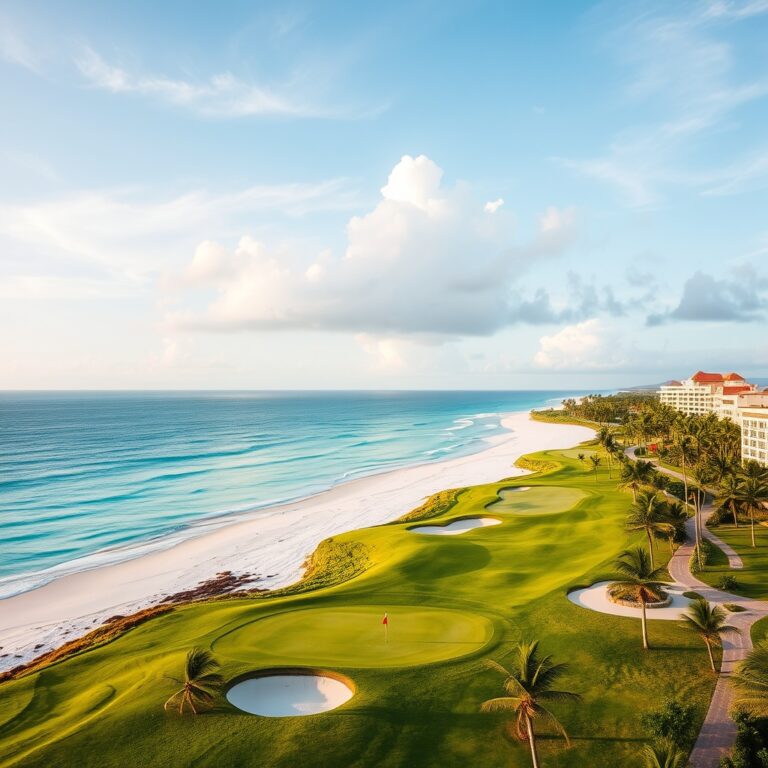
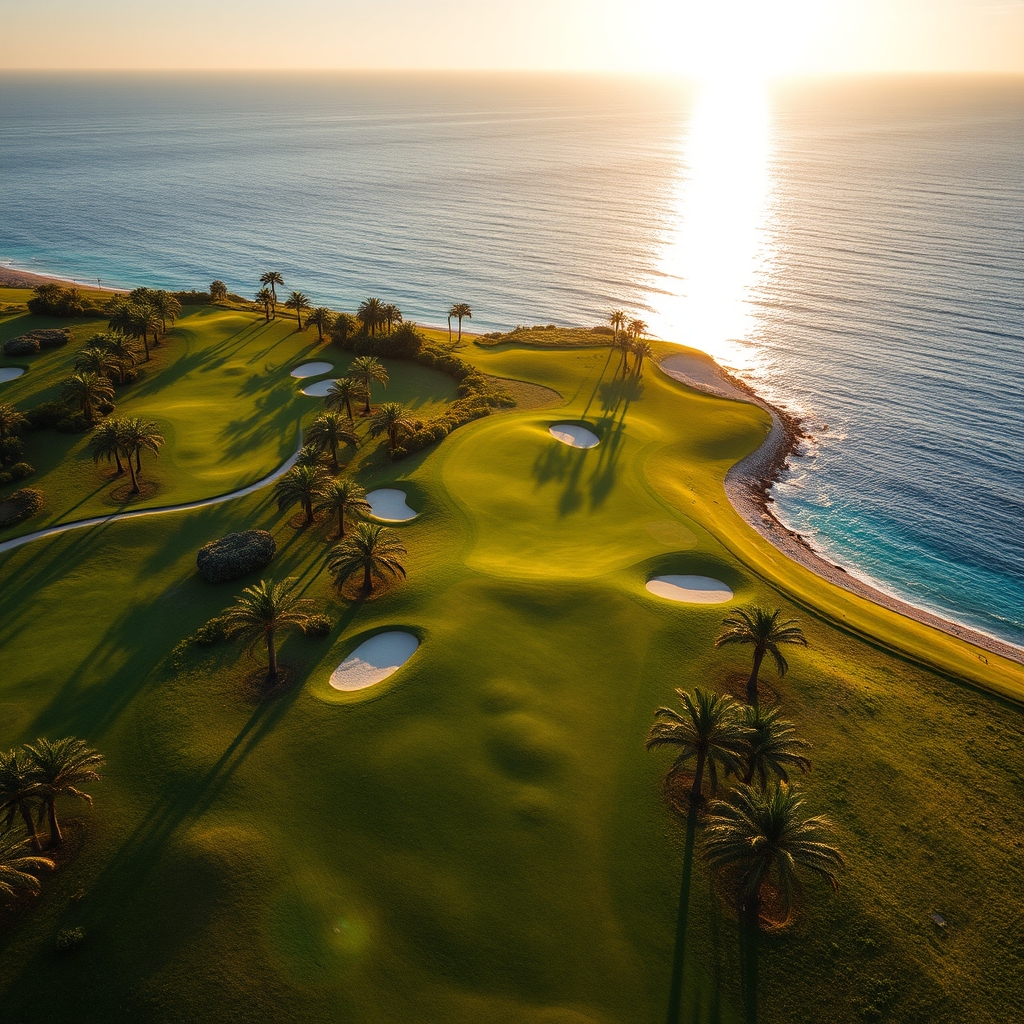
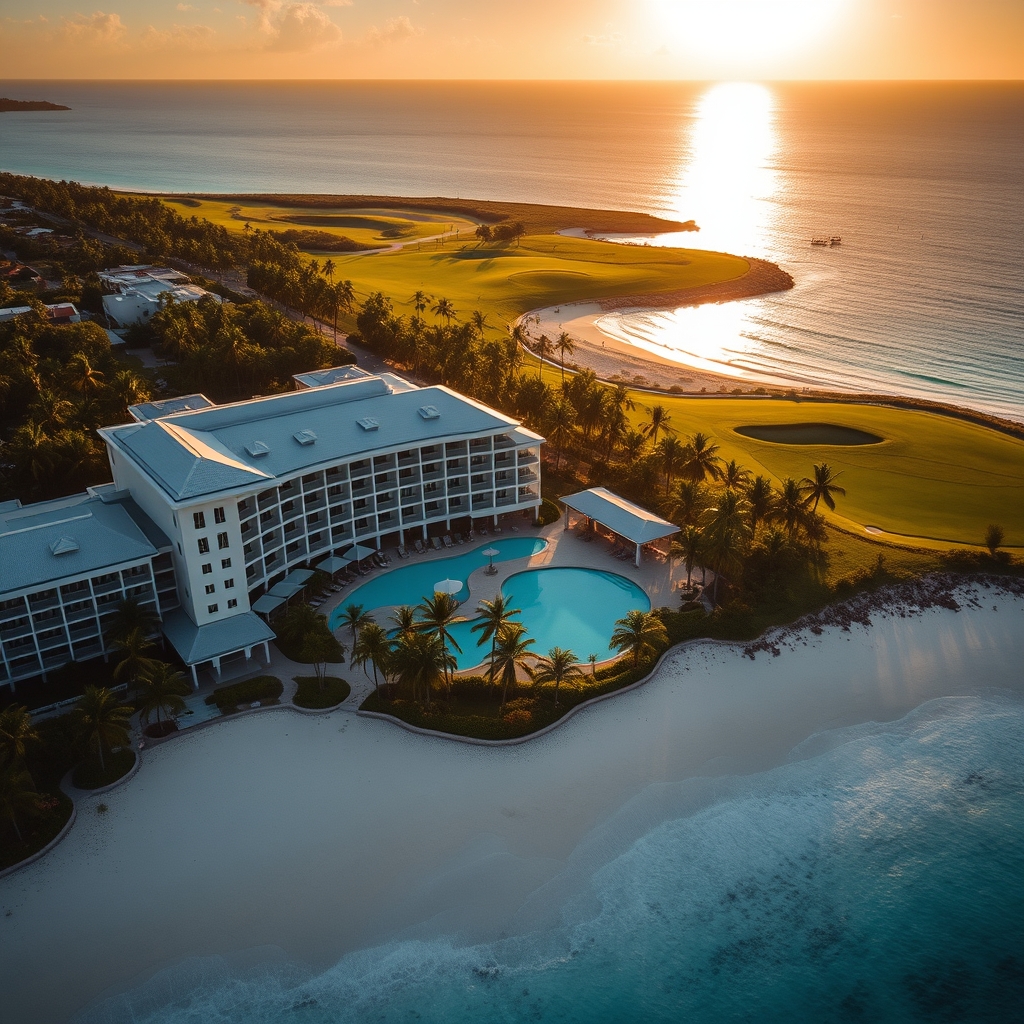
Punta Cana has the highest concentration of high-end holiday accommodation in the Caribbean. And Salado Golf & Beach, in White Sands, Bávaro, is an example of a beachfront residential development with a golf course, spa and premium services. All designed around that slow living concept that is so fashionable now. For a European investor, buying here means:
- High tourist occupancy all year round (over 80% in high season).
- Historical capital growth in Bávaro (average appreciation of 5-7% per year, from what I’ve seen).
- Professional rental management included in many projects – at Salado you can let the developer handle everything.
The costs almost nobody tells you about
When you make your property purchase in the Dominican Republic, budget for an extra 5% to 8% on top of the sale price. This covers:
- Property Transfer Tax (ITBI): 3%.
- Lawyer’s fees (1-2% of the value).
- Registration and notary costs (0.5-1%).
- Estate agent commission (if you deal directly with the developer, it’s usually included in the price).
Questions that always come up
Can I buy without setting foot in the country? Yes, of course. Many investors do it with a power of attorney granted in their own country. Salado Golf & Beach offers 360° virtual tours and remote assistance.
How long does the title deed take? Between 3 and 4 months from signing the contract, if construction goes well.
Is buying off-plan reliable? Yes, if the project has building permits (municipal licence, declaration of works). And always ask for the certificate of no liens. Don’t rely solely on what you’re told.
So, what now?
Buying property in the Dominican Republic is not a leap into the void. It has timelines, it’s regulated, and the legal framework is favourable to foreign investors. Projects like Salado Golf & Beach, in Bávaro, offer attractive returns and that slow living lifestyle by the sea that it promises. If you want to take the first step, get in touch with the Residencial Group team in Spain. They’ll guide you through everything: from choosing the apartment to having the keys in your hand.