RD investor financing: complete guide to payments
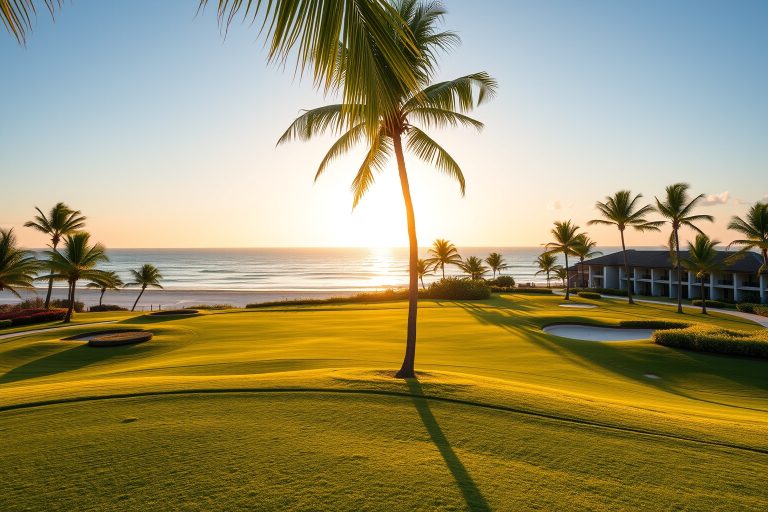
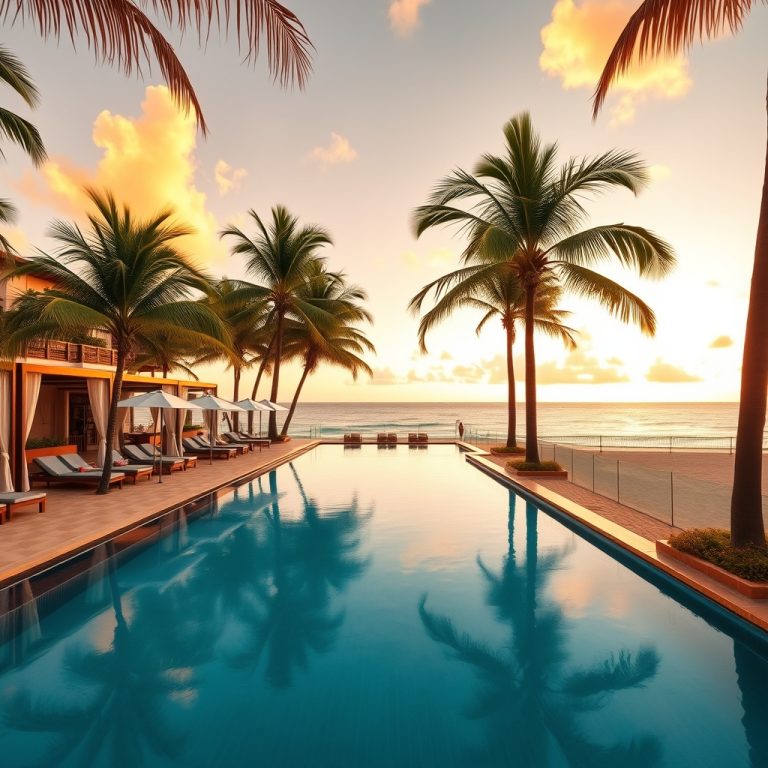
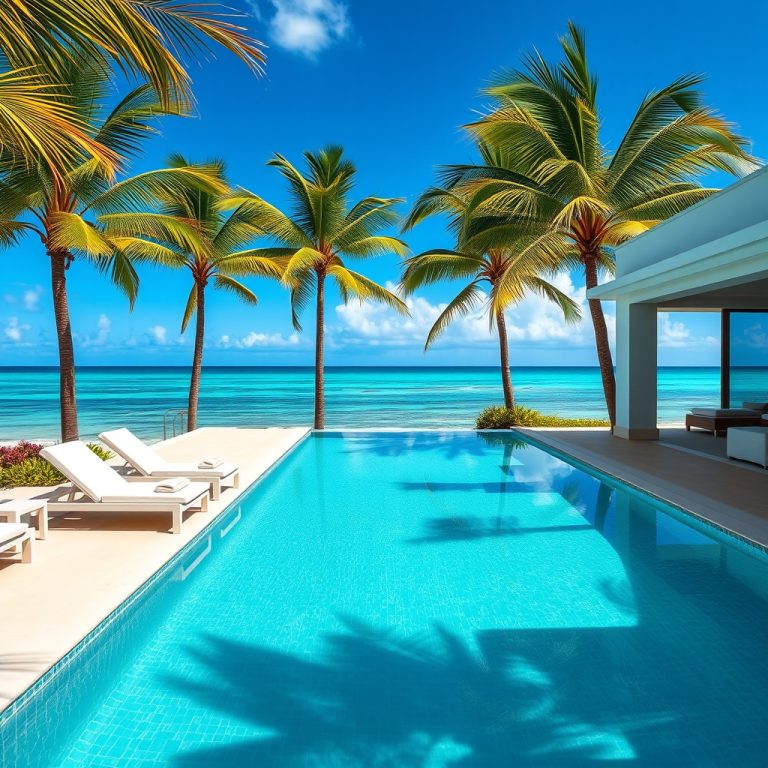
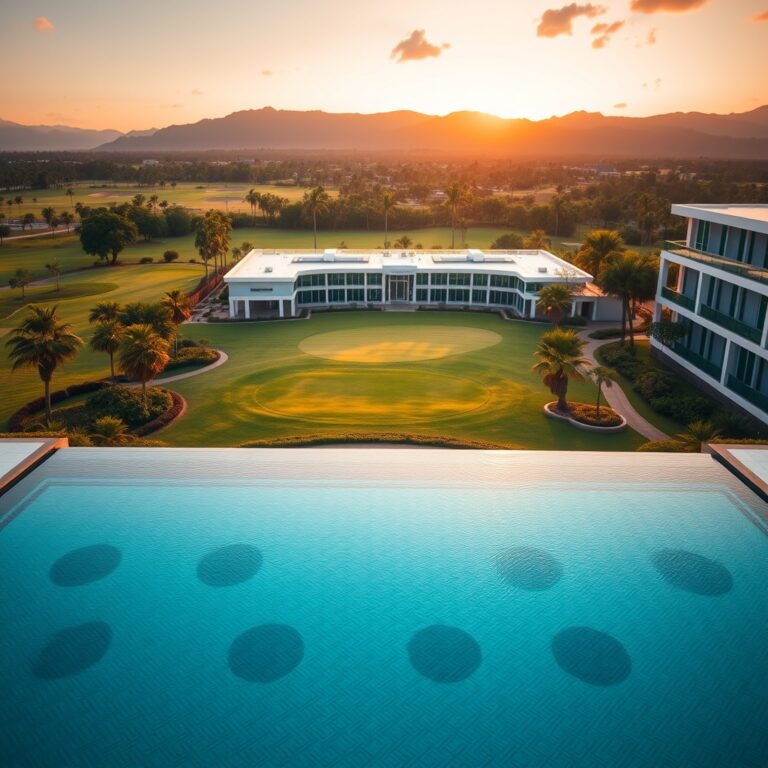
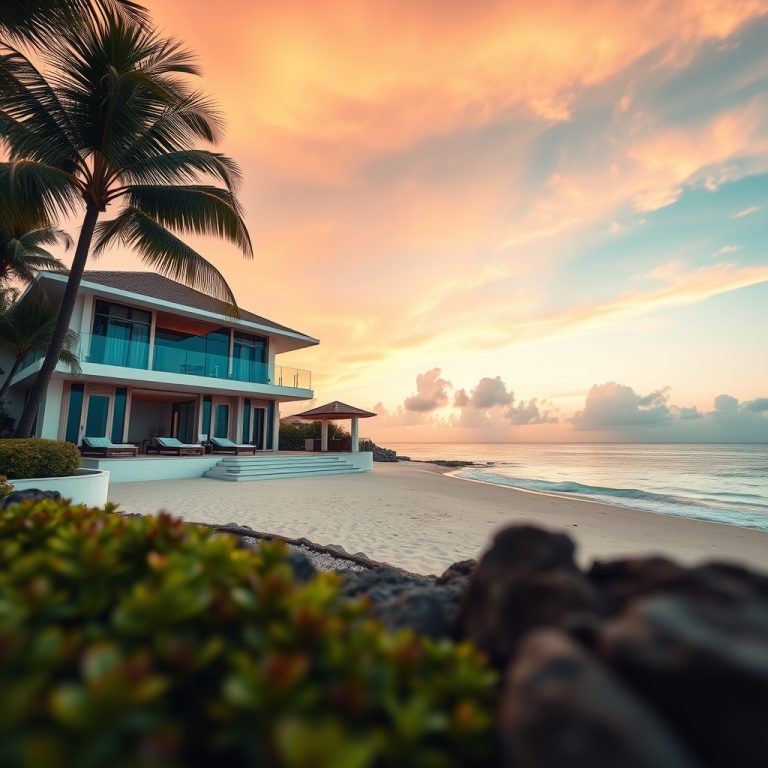
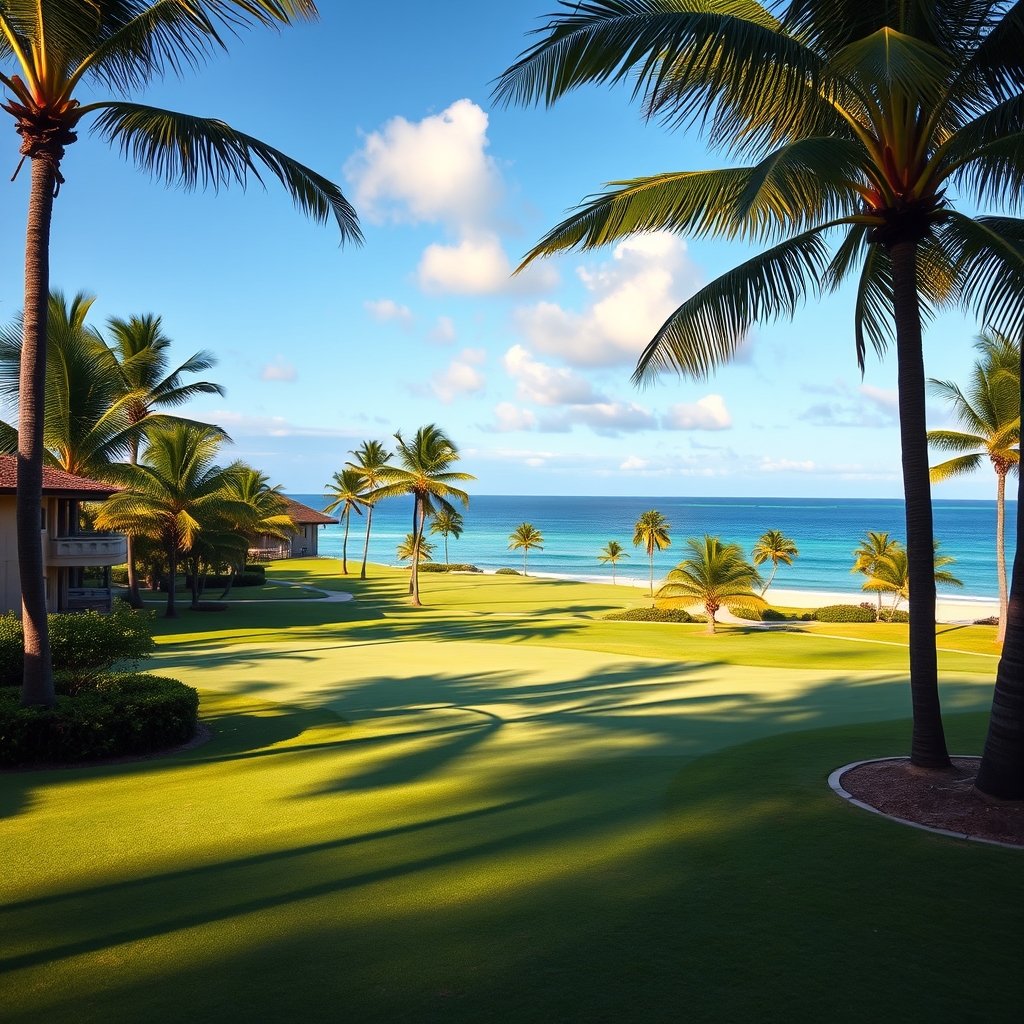
Buying a brand-new flat in the Caribbean sounds like luxury, doesn’t it? But the truth is it’s not as complicated as it seems. Many Europeans tell me: ‘Oh, the financing, that must be a nightmare.’ And it turns out it isn’t. The Dominican Republic keeps things clear: a solid legal framework, banks that work, and payment methods that adapt to those coming from abroad. At Salado Golf & Beach —a beachfront residential development in White Sands, Bávaro, Punta Cana— things get even better: estimated returns between 8 and 12% per year, and tourism breaking records with 11.6 million visitors in 2025. Here’s the lowdown.
Common payment methods for European investors
Most purchases are settled via international bank transfer. But there are more routes. Look, the options for financiación inversores RD are several:
- Cash payment: you leave a deposit from 3,000 USD and settle the rest at closing.
- Direct developer financing: instalment payments during construction, interest-free or nearly so. Ideal if you buy off-plan.
- Local mortgage: some Dominican banks lend to non-residents, with rates between 7% and 12% per year, over 20 years. You need a credit history, a local account and a guarantor.
- Mortgage from Europe: if you own a home in your country, you use it as collateral, take out a loan and transfer the money.
Is a local mortgage or instalment payments better?
If you’re after a second home, financiación inversores RD through the developer is usually the quickest route. At Salado Golf & Beach, for example, you can pay in stages as construction progresses. That way you avoid bank fees and the currency exchange hassle.
Now, if you’d rather go for a mortgage, it’s best to open an account in the DR or set up a company. The process takes about a month and a half. And note: the US dollar against the Dominican peso is usually stable, but fix the price in dollars to avoid surprises.
Legal requirements and required documentation
- Passport in order.
- A local tax number (RNC). Your lawyer obtains it for you.
- A Dominican bank account – not mandatory, but definitely advisable if you’re going to move large sums.
- Escrow trust (fideicomiso de garantía): basically, the money goes into a custodied account, not straight to the developer. It is only released as construction progresses.
Practical tip: find yourself a lawyer who knows Dominican real estate law. They carry out due diligence, register with the Land Registry (Catastro) and review the contract. In projects like Salado Golf & Beach, the developer’s legal team is already used to dealing with Europeans.
The trust, your best ally
In almost all off-plan developments of any real standing, financing for investors RD goes through a trust. You don’t pay the developer directly, but rather a bank that holds the money in custody. Funds are only released once they see the construction progressing. For a European investor, that’s the safest option.
Returns and investment horizon
Punta Cana keeps growing. With those 11.6 million tourists in 2025, the demand for holiday rentals is phenomenal. A new frontline apartment, like those at Salado Golf & Beach, rents out at any time of year. The 8–12% annual net return makes the move worthwhile, especially if you use financing for investors RD that allows you to leverage without compromising your liquidity.
- Construction: between 12 and 18 months. In the meantime, you only pay instalments.
- Handover: as soon as you have the keys, you can start renting it out.
- Capital appreciation: the value rises once construction is completed, and afterwards too, because beachfront land in Bávaro is scarce.
How much money do you actually need?
It depends on the payment plan. With a deposit from 3,000 USD, 30% at signing and the remainder in instalments during construction (35%) and on completion (35%), you can get a two-bedroom apartment with sea views without forking out a fortune upfront. We’re not going to make up prices for future phases here. Best thing to do: ask the team at Salado Golf & Beach to prepare a personalised table for you. They’ll explain the RD investor financing option that best suits you.
Conclusions: an opportunity with backing
RD investor financing is simpler than you think. Whether paying in cash, by instalments or with a local mortgage, the country offers legal security and favourable tax conditions for non-residents. Buying a new flat at Salado Golf & Beach is not just about enjoying Caribbean slow living; you’re also building wealth and generating passive income.
That said: get advice from local professionals, choose a solid project and read every clause. The Punta Cana market remains strong, and the visitor records confirm it. Take the first step: contact the sales team and find out how RD investor financing can make that second home in the Caribbean a reality. And make it profitable.