Sustainable Caribbean architecture: design and efficiency
Caribbean sustainable architecture has ceased to be a niche option and has become the gold standard. If you are looking for a luxury second residence in paradise, this is no longer negotiable. At a time when environmental awareness and the need to switch off are gaining momentum, designing spaces that engage in dialogue with nature is not only an ethical responsibility; it is a smart decision that ensures comfort and the long-term appreciation of the asset. At Salado Golf & Beach, located in the exclusive surroundings of White Sands, Bávaro, we understood it clearly: true elegance lies in the harmony between modern design and the tropical environment.
The Slow Living paradigm in Bávaro
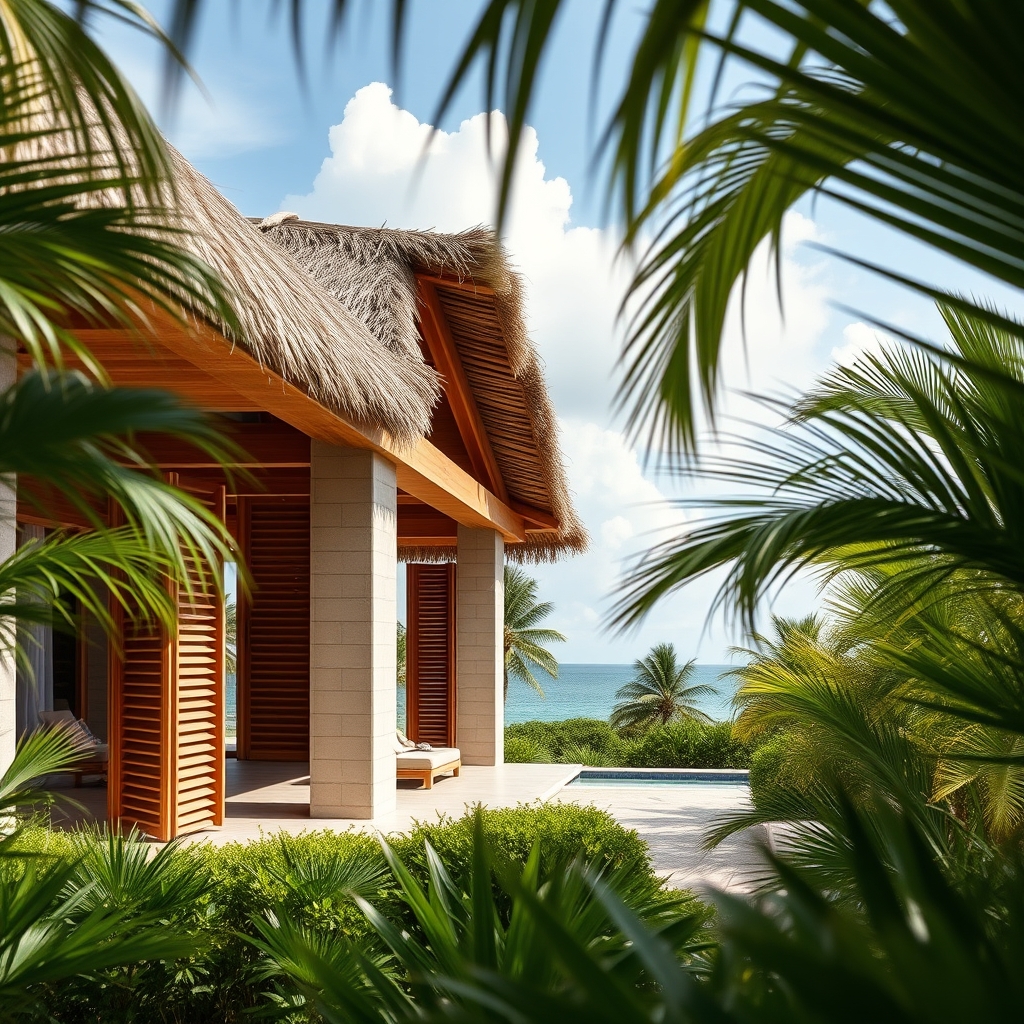
The concept of slow living may sound like marketing, but in architecture it is something tangible. It translates into spaces that invite calm, integrating the outdoors with the indoors without friction. In Punta Cana this has a practical reading: taking advantage of the Atlantic Ocean breeze and natural light to reduce energy consumption. The result is cool, ventilated environments almost all year round.
For the European investor, this is added value. A home designed under these principles requires less maintenance and offers a superior experience to the tenant or user. These are key factors in securing that estimated return of 8-12% per annum projected by the Dominican high-end property market.
Keys to Caribbean sustainable architecture
To achieve real efficiency by the sea, there is a golden rule: the construction must adapt to the tropical climate, not fight against it. Quality new-build projects in the region rest on fundamental pillars:
Bioclimatic design and cross ventilation
The humidity and heat are relentless here. Good architecture prioritises cross ventilation, allowing air to circulate freely from the sea into the apartments’ interiors. This cools the spaces naturally. Dependence on air conditioning is minimised, which drastically reduces electricity costs and the carbon footprint.
Local materials and durability
Using locally sourced materials helps the economy, yes, but there is a more pragmatic reason: it guarantees that the construction is “acclimatised” to the environment. Natural stone, timber treated to resist salinity and high-tech coatings that reflect the sun are essential. This way, new-build properties maintain their impeccable appearance over the years, withstanding the corrosion that so often affects lower-quality constructions on the coast.
Efficient water and energy management
In an environment like Bávaro, water is a vital resource. Rainwater collection systems for irrigating gardens and golf courses, together with low-consumption appliances, are no longer an extra. They are the standard that demanding international buyers expect.
Practical tip for investors
When evaluating a property in the Caribbean, check whether the development has energy efficiency certifications or waste management systems. These features not only protect the planet, but also increase the appeal for holiday rentals, especially among North American and European travellers who are increasingly eco-conscious.
Energy efficiency and real-estate profitability
Let’s talk money. Sustainability cannot be understood without economics. With the projected tourism record in the Dominican Republic, reaching 11.6 million visitors in 2025, demand for accommodation will outstrip supply. But today’s luxury tourist has changed: they seek authentic and responsible experiences.
The apartments at Salado Golf & Beach are designed to appeal to this type of buyer, willing to pay more for accommodation that respects the environment and offers passive climate comfort. For the owner, this translates into lower community service bills and less depreciation of the asset. An investment as solid as the building’s foundations.
Salado Golf & Beach: An example of integration
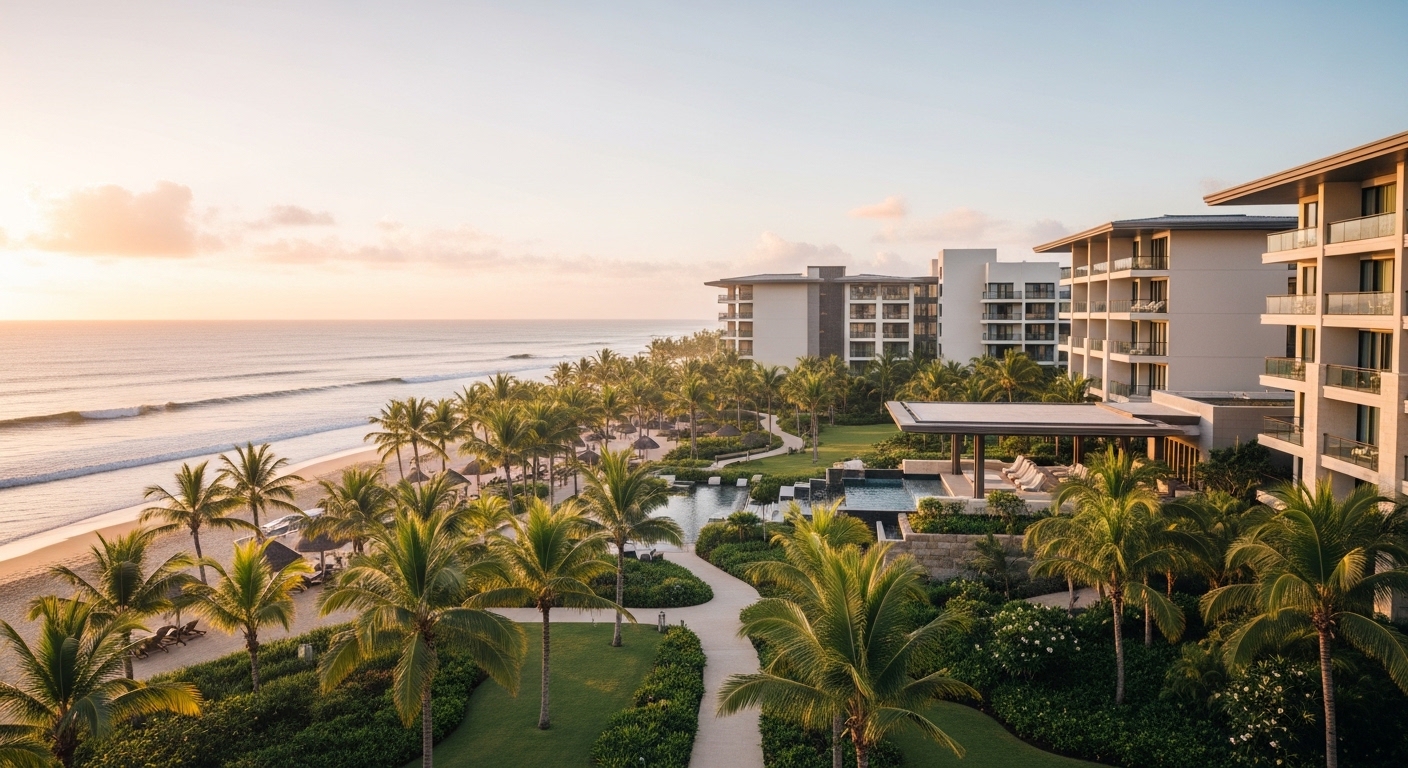
In the heart of White Sands, our project exemplifies how Caribbean sustainable architecture can coexist with absolute luxury. Our beachfront apartments not only offer impressive views; they are oriented and conceived to maximise natural light and minimise excessive heat.
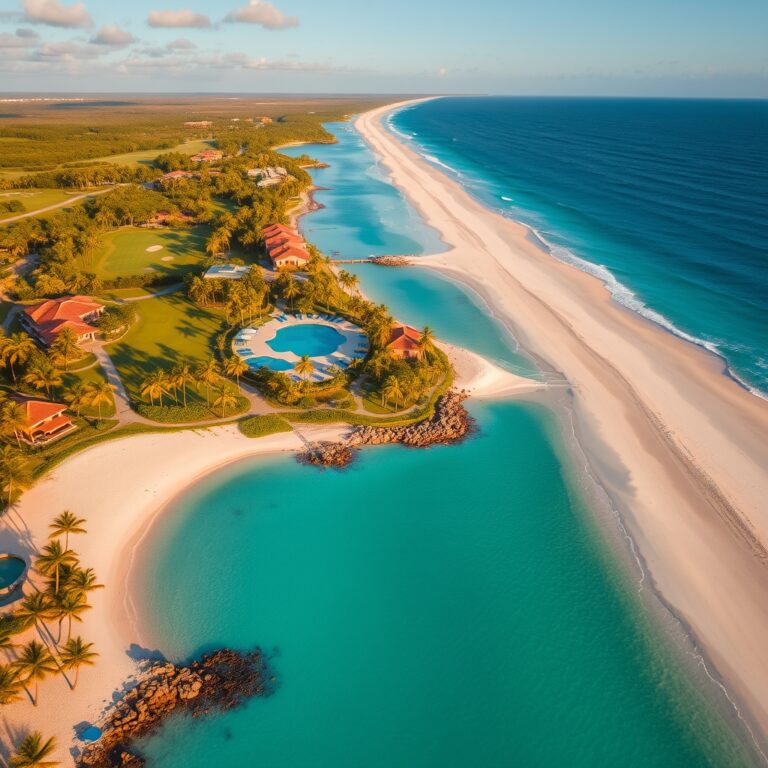
The integration with the golf course and green areas is not merely aesthetic. It acts as a thermal lung that cools the development. Furthermore, services such as the luxury spa and premium common areas are managed with efficiency protocols that respect the tranquillity of the surroundings. Here you can enjoy the slow living philosophy in its fullest expression.
Frequently Asked Questions
How does sea salt affect sustainable architecture?
Quality projects use high-density concrete and special coatings on metals to prevent oxidation, ensuring a much longer lifespan without the need for constant repairs.
Is it more expensive to maintain a sustainable property in Punta Cana?
Quite the opposite. Although the initial investment may be similar or slightly higher in high-end new-build, operating costs (electricity, water, maintenance) are significantly lower in the long term.
A decision for the future
Choosing a residence in the Caribbean is choosing a lifestyle. Sustainable architecture is not a passing trend, but the smartest and most elegant way to build in the 21st century. At Salado Golf & Beach, we have fused respect for Bávaro’s surroundings with the highest standards of design and comfort. For the European investor, this means the peace of mind of owning an asset that is not only profitable and resilient, but a legacy of wellbeing and harmony with nature. If you seek profitability, serenity and quality, Punta Cana is the destination, and sustainability is the path.