
Investing in Punta Cana: what the Dominican Republic’s record-breaking tourism means
If you are considering an investment in Punta Cana, you will hardly find a better moment. The Dominican Republic has closed 2025 with a figure other destinations could only dream of: 11.6 million visitors. The country has established itself as the number one destination in the Caribbean. But behind the headline lies a question every European investor should ask before transferring a single euro: how does that record tourist flow translate into real returns for those buying property on the island?
11.6 million visitors: the context for investing in Punta Cana
The 11.6 million visitors of 2025 are not an isolated peak nor a statistical anomaly. They confirm a trend that had been building for years: the Caribbean country has been breaking its own records year after year, driven by three fairly clear engines.
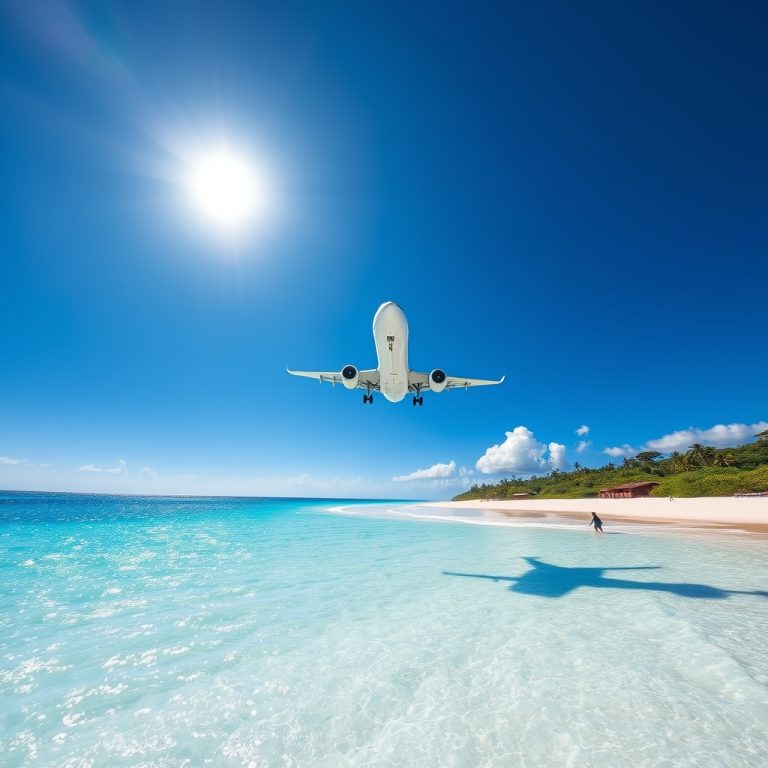
- Air connectivity: Punta Cana International Airport (PUJ) is the busiest in the entire Caribbean. There are direct connections from Madrid, Barcelona, Paris, Amsterdam, Frankfurt, Milan and the main North American cities.
- Market diversification: alongside traditional North American and Canadian tourism, a European market — Spanish, German, French and Russian — keeps growing. High-spending audiences seeking premium experiences.
- Stability and promotion policies: the Foreign Investment Law guarantees equal treatment for foreign investors. No restrictions on acquiring property in the name of non-resident individuals or legal entities.
To put this into perspective: the Dominican economy has grown above the Latin American average for several consecutive years, and tourism is one of the pillars of GDP. When a state commits to protecting and expanding its tourism industry, the assets linked to it — holiday accommodation in particular — benefit directly. It is not magic. It is arithmetic.
What the record means for your returns as an investor
The figure that truly matters to a European buyer is this one: between 8% and 12% annual return, which is the realistic estimate for brand-new holiday apartments in the Bávaro–Punta Cana area, professionally managed as short-term rentals. That range does not come out of nowhere; it rests on three factors that the tourism record reinforces.
1. High occupancy all year round
Punta Cana has no high season and no dead season. The Caribbean climate allows for high occupancy from December to April —the North American and European winter high season— and a strong summer thanks to the local and Latin American market. With 11.6 million visitors spread across the calendar, in many weeks demand simply exceeds the supply of quality accommodation. And that pushes up both occupancy and nightly rates.
2. Growing nightly rates
The 2025 visitor spends more than the one from a decade ago. The European tourist landing in Punta Cana today looks for apartments with character, hotel-style services and a beachfront location, and is willing to pay rates comparable to those of a resort. A well-located, well-managed apartment can compete head to head with four- and five-star hotels, capturing that spending without the operating costs of a large resort. By the end of the year, the difference shows.
3. Capital appreciation
The total return on a property investment is rental income plus appreciation. In high-demand tourist areas such as Bávaro and White Sands, historical capital growth accompanies the destination’s expansion: more visitors, more airlines, more infrastructure, more value per square metre. Buying off-plan today means entering an expanding market, not a saturated one. It is not always the case. When it is, it is worth seizing the opportunity.
Why Punta Cana and not another Caribbean destination
The Caribbean offers alternatives —Mexico, Jamaica, the Antilles— but few combine the structural advantages of the Dominican Republic:
- Competitive entry cost: beachfront square metres are significantly more affordable than in Cancún, the Bahamas or St Maarten, improving the rent-to-price ratio.
- Favourable legal framework: foreigners can buy with the same rights as a Dominican, with clear title registration and no coastal ownership restrictions.
- Proximity to Europe: direct flights of 8 to 9 hours from Madrid or Paris make a frequently used second home viable. There is a big difference between an island you visit once a year and one you can visit four times.
- Tax residency by investment: the country offers residency routes for property investors, an added draw for those wishing to plan their taxation.
Where to invest: the White Sands area, Bávaro
Within Punta Cana, not every area offers the same. Bávaro concentrates the best combination of beaches, services, gastronomy and social life. And within it, the White Sands area has positioned itself as the new high-value residential epicentre: minutes from the airport, from elite golf courses and from Playa Los Corales.
It is precisely in this setting that Salado Golf & Beach is being developed, a new-build, beachfront apartment complex which reflects, almost one to one, what the European investor is looking for today:
- Exclusive apartments by the beach, with contemporary design geared towards high-end holiday lets.
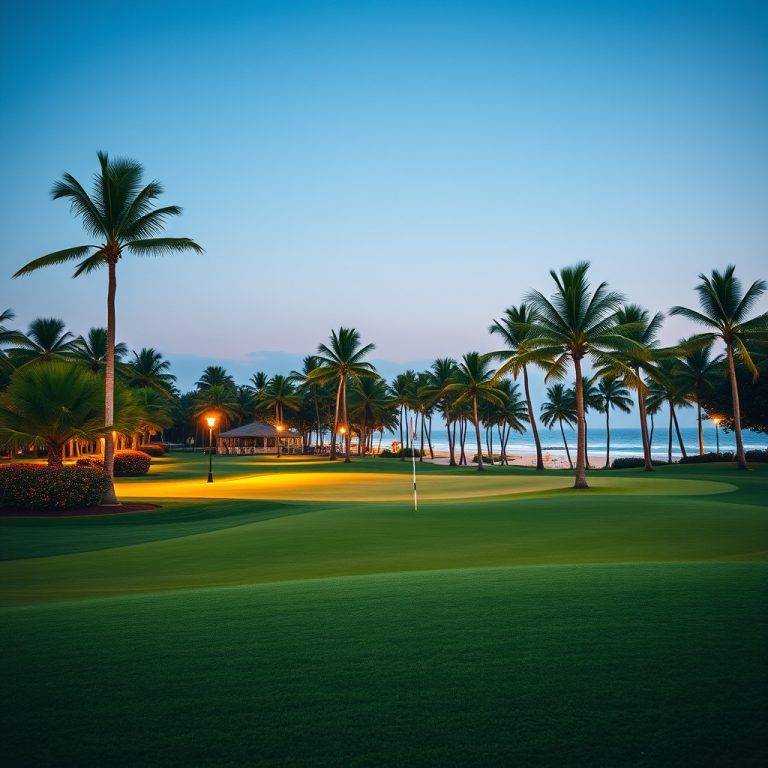
- Golf course and spa, the two great multipliers of value and nightly rates in the Caribbean.
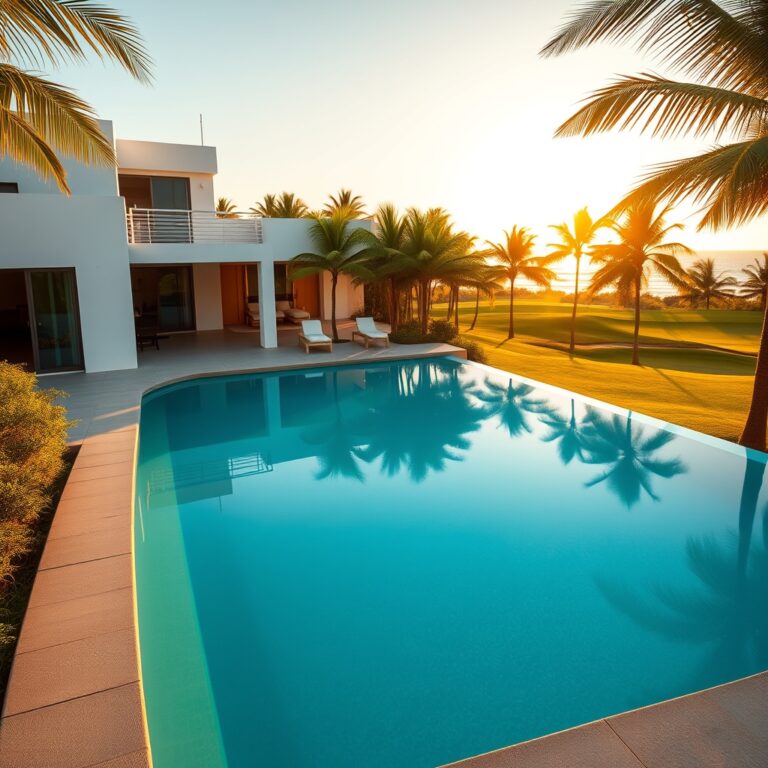
- Premium services (swimming pool, 24-hour security, concierge) that elevate the guest experience —and with it, occupancy.
- A slow living concept: homes designed both to generate returns and to be personally enjoyed. Because in the end, you will also want to use them yourself.
How to start your investment in Punta Cana: practical steps
- Define your goal: passive income, a second home for holiday use, or both? The financial structure of the project changes depending on the answer.
- Verify the developer: track record, completed deliveries, construction quality. In off-plan purchases, the developer’s history is your best guarantee. Don’t rely on renders alone.
- Review the legal documentation: land title, construction licences, environmental permits (DESCO) and purchase conditions. An independent local lawyer is essential. Truly essential.
- Calculate returns with real data: average nightly rate for the area, estimated occupancy, management fees, condominium fees and taxes (IPI on property and the 1% annual withholding on value for non-residents).
- Plan the management: a good holiday rental operator makes the difference between a 5% and a 12% return. Check whether the residential complex offers integrated management.
Frequently asked questions
Can I buy property in the Dominican Republic as a foreigner?
Yes. Dominican law allows foreigners to buy property with full rights, even without being a resident.
Is 8–12% per year realistic?
That is the estimate for well-located off-plan apartments managed as holiday rentals in the Bávaro–Punta Cana area, combining rental income and seasonal occupancy. Professional management is key to reaching the upper end of that range.
How long can I use my apartment?
It’s yours, so whenever you like. Many owners alternate personal use in mid-season with rental exploitation for the rest of the year, optimising returns without giving up their Caribbean holidays.
Conclusion: a historic window of opportunity
The 11.6 million visitors of 2025 are not just a headline. They are the strongest market signal an investor can receive: record demand, expanding connectivity, a favourable legal framework and prices still competitive compared with other Caribbean destinations. That combination does not come together all that often. Investing in Punta Cana, in a project like Salado Golf & Beach in White Sands, Bávaro —exclusive beachfront apartments with a golf course, spa and premium services—, allows you to capture that wave of growth with the peace of mind of a tangible asset and the quality of life of a slow living concept by the Caribbean. If you have been waiting a long time for the right moment to take the plunge, perhaps this is it. The Dominican wave is already under way, and there are buildings being constructed precisely so that you can ride it.