Second home in the Caribbean: opportunities in Punta Cana
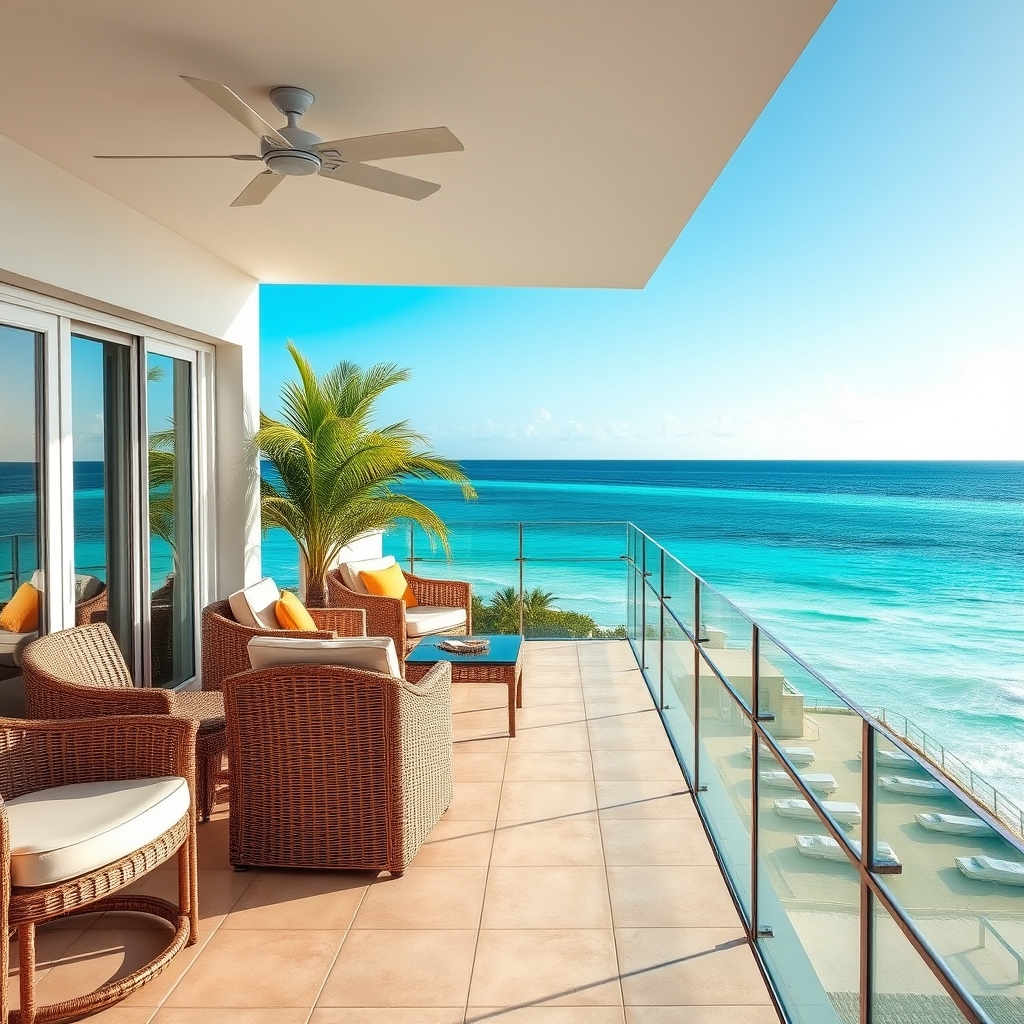
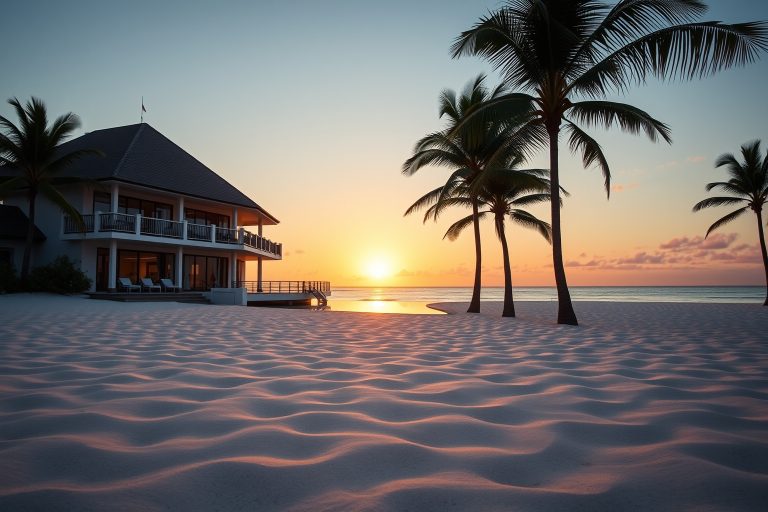
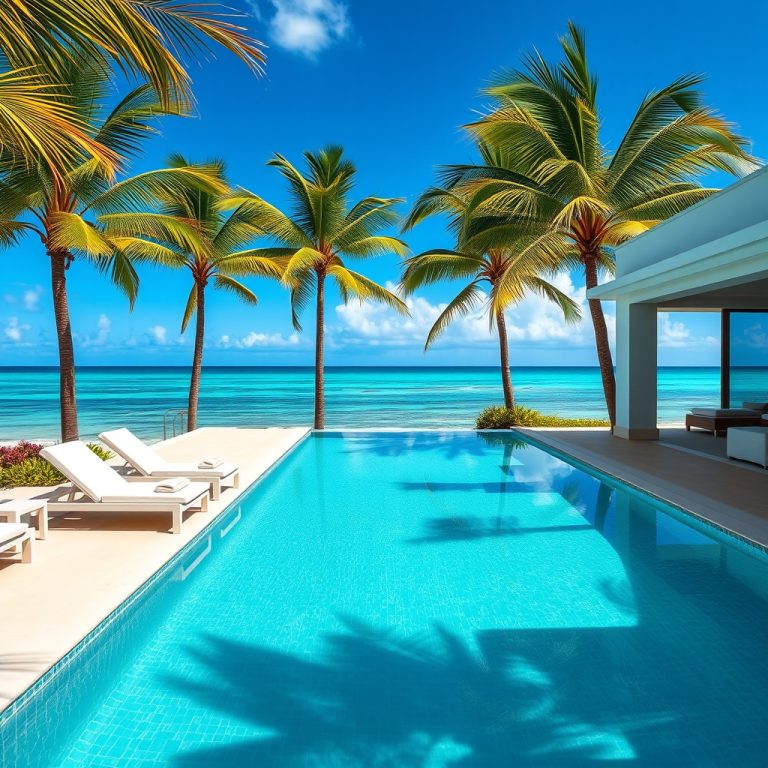
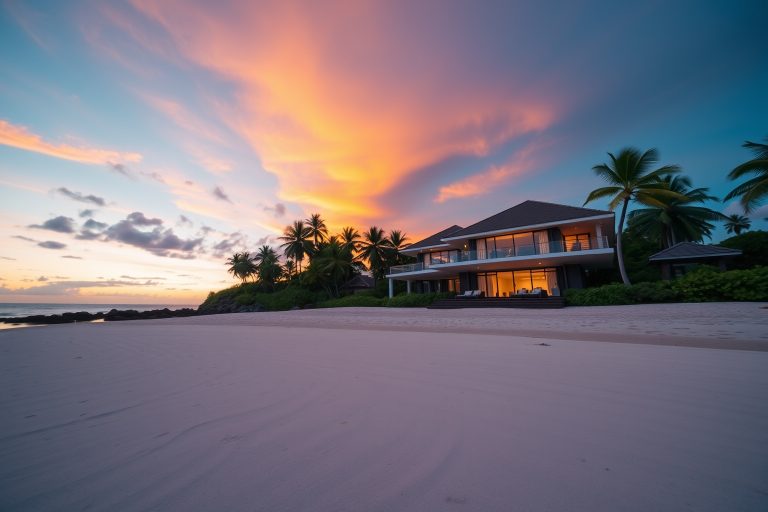
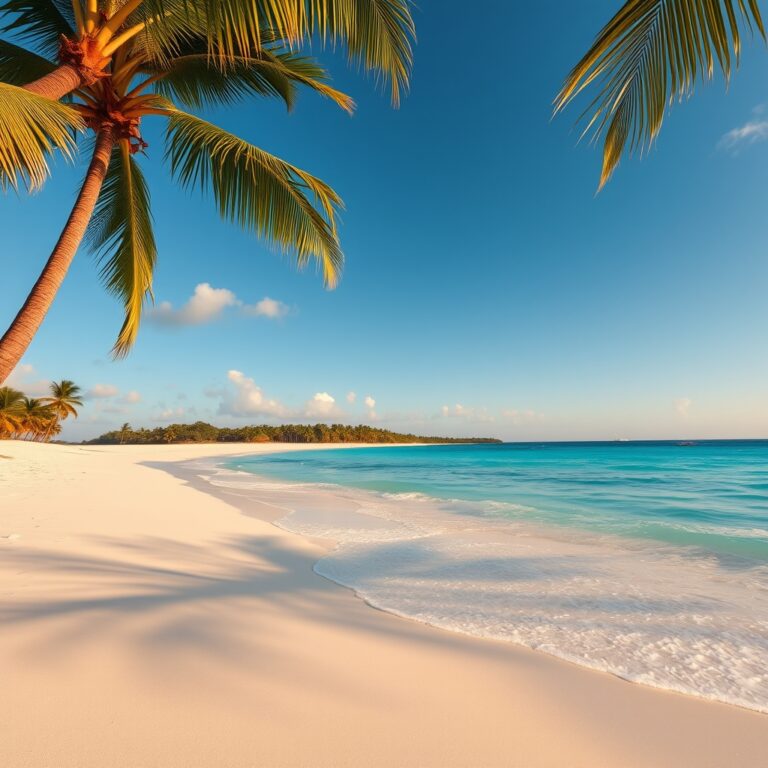
For decades the Caribbean has been attracting travellers from all over the world, but in recent years it has taken on a new role: that of a destination for those seeking a second home to escape the European winter. And within the Caribbean, few places offer as many advantages as Punta Cana, in the Dominican Republic. White sandy beaches, a stable climate all year round, direct flights from the main European capitals and a property market with prices that are still affordable explain the growth of this eastern Dominican region. In this article we look at why more and more European buyers are considering purchasing a home in Bávaro and its surrounding areas, and what off-plan opportunities are available right now.
Why a European buys a second home in the Caribbean
The motivations are as varied as the buyers themselves, but several factors come up again and again:
- Escaping the winter. Spending several months a year in a warm climate, without giving up Western living standards, is probably the number one reason.
- Competitive prices. Compared with the costs of a second home in Spain, Portugal, France or Italy, in Punta Cana it is possible to purchase a fully equipped apartment at much lower figures.
- Tax incentives. The Dominican Republic has the CONFOTUR law, which grants tax benefits to certain tourism developments, something that significantly reduces the total cost of the transaction for the buyer.
- Potential for returns. A second residence does not have to sit empty: holiday letting allows you to earn income during the months when the owner is not using it.
- Lifestyle. golf, gastronomy, water sports and an international setting make the area a pleasant place both for holidays and for longer stays.
Climate and air connectivity with Europe
Punta Cana enjoys a tropical climate with temperatures of around 25-30 degrees all year round, making any month a good month to travel. The European high season coincides, logically, with the northern hemisphere’s winter: from December to April, when those living in Europe look to get away from the cold.
As for connectivity, Punta Cana International Airport (PUJ) is one of the most important in the Caribbean. It receives direct flights from numerous European cities, including Madrid, Barcelona, Paris, Frankfurt, Amsterdam, Milan, Warsaw and London, operated by airlines such as Iberia, Air Europa, Air France, Condor, TUI or Transavia. For a European buyer, this means being able to be in their Caribbean home in just over eight hours from Madrid, with no stopovers or complications. Few second homes in the world offer that balance between distance and accessibility.
The most sought-after areas: Bávaro and White Sands
The term “Punta Cana” is often used generically, but the destination is actually made up of several areas, each with its own character:
- Bávaro. The residential and commercial heart of the area. It boasts shopping centres, restaurants, international schools, hospitals and all the services needed for long-term stays, not just holidays.
- White Sands. One of the areas with the greatest potential, along the Bávaro coastline. It combines proximity to the beach with a tranquil setting, which is why a large share of new property developments is concentrated here.
- El Cortecito and Los Corales. Areas with an international atmosphere, close to well-known beaches and with strong holiday rental demand.
- Cabo Engaño and Macao. Further south and north respectively, these are expanding areas for those seeking more open and developing spaces.
White Sands stands out especially for off-plan purchases: the growth of the area is attracting developers who design projects intended both for personal use and for rental returns, with modern construction technologies and residential amenities.
Who is the European buyer?
The most common profile is a professional or couple aged between 40 and 60, living in Spain, Germany, France, Italy, Poland or the Netherlands, with accumulated savings and looking for three things at once: a winter retreat, an investment that generates income and, in many cases, a gateway to an alternative life plan in the medium term, including retirement in the Caribbean.
The number of younger buyers acquiring off-plan with a staggered payment plan is also growing, taking advantage of the fact that during construction only part of the price is paid out, with the remainder settled upon delivery. This formula lowers the barrier to entry and allows the investment to be planned months in advance.
Holiday rental returns when you are not using it
A second home in a destination with steady tourist demand doesn’t have to be an expense. The Bávaro-Punta Cana area receives millions of visitors each year, generating continuous demand for alternatives to hotels, especially modern apartments with a pool and close to the beach.
In well-located developments, the estimated return on holiday rentals is around 8-12% per year, depending on the management, the location and actual occupancy. This is an estimate, not a guarantee: it depends on factors such as the season, the competition and the quality of the property’s management. Even so, the margin between weeks of personal use and rental weeks allows many owners to cover a significant portion of the property’s expenses, and even to achieve a positive net return.
It is important to have professional rental management, since many European owners do not reside permanently on the island. Several developments work with managers specialised in holiday rentals, which greatly simplifies operating from a distance.
Practical tips before buying off-plan
If you are considering taking the plunge, here are some tips worth following:
- Verify the project’s legality. Make sure the development has the necessary licences and, if you are seeking tax advantages, that it is registered under CONFOTUR.
- Review the payment plan. Staged payment structures (reservation, during construction and on delivery) are common and allow you to spread out the outlay.
- Assess the location with rental criteria in mind. Even if you use it little, its holiday rental potential will depend on its proximity to the beach, amenities and the airport.
- Ask for real profitability figures. Be wary of unjustified numbers; estimates should be well reasoned and presented as such.
- Get local advice. An independent Dominican lawyer to review the contract is an investment that avoids surprises.
A current example of this type of opportunity is Salado Golf & Beach, an off-plan apartment development in White Sands, Bávaro, with prices starting from 170,000 USD. The project offers an accessible payment plan: a reservation from 3,000 USD and 30% upon signing, 35% during construction and the remaining 35% upon handover, expected in April 2027. The development benefits from CONFOTUR tax incentives and offers an estimated return of 8-12% per year from holiday rentals. You can find all the information at saladoresort.com.
Frequently asked questions
How much does an apartment in Punta Cana cost?
It depends on the area and the features of the project. In developments such as Salado Golf & Beach, in White