
Sustainability and the value of luxury coastal properties
Why does sustainability increase property value?
Sustainability is no longer just an add-on; it has become a factor that drives appreciation in the upper end of the market. Second-home buyers and investors no longer value the ecological approach out of conviction alone: they look for properties that consume less, last longer and have a smaller impact on their surroundings, because that translates into medium- and long-term financial benefits.
Premium residences that incorporate responsible measures — from energy efficiency to natural materials and intelligent water management — reduce operating costs and maintain a stronger resale value. They also project a forward-looking image of exclusivity, an argument that now carries considerable weight in the buying decision.
Key benefits of sustainability in the premium sector
- Reduced costs in energy and maintenance.
- Long-term property appreciation.
- Distinction and appeal for high-end tourism.
- Contribution to certifications such as BREEAM, LEED or Passivhaus, highly sought after in the international market.
Sustainable trends in luxury properties
The contemporary design of premium residences incorporates sustainability into its very essence. It is not merely about adding technology: it is about how the building envelope, materials and services are conceived so that the experience is efficient and healthy, especially in coastal environments.
Most valued sustainable features
| Feature | Advantages | Presence in luxury properties |
|---|---|---|
| Solar panels and renewable energy | Lower energy dependence, reduced costs and carbon footprint | High |
| Advanced thermal insulation | Indoor comfort, lower consumption and greater durability | High |
| Home automation and smart management | Efficient resource control, security and customisation | Medium-High |
| Natural and local materials | Reduced environmental impact, landscape integration | Medium |
| Native gardens and water management | Low maintenance, water savings, biodiversity | Medium |
The wellness experience and respect for biodiversity act as differentiating elements. For those seeking a healthy second home with growth potential, these features are no longer optional; they make the difference when choosing and renting.
Impact on investment and the second home market
Investing in luxury sustainable properties is usually both a defensive and profitable decision. International consultancies estimate 22% annual growth in this segment up to 2030, driven by European, North American and local buyers who prioritise exclusivity and environmental responsibility.
Main drivers of demand
- The desire to live or invest in clean, healthy environments.
- The pursuit of efficiency and reduced operating costs.
- A preference for resorts and residences offering premium services and sustainable management.
- ESG factors (Environmental, Social, Governance) as an investment criterion.
- Greater ease of holiday letting and property resale.
Tips for investing in luxury sustainable properties
If you are considering a second home in the Caribbean or in destinations such as Salado Resort, it is worth following a few practical criteria before committing. It is not difficult, but it does require attention to detail.
- Always request energy and sustainability certifications for the property.
- Prioritise locations integrated into nature and close to premium services (golf, spa, dining).
- Assess the materials and building systems: opt for those that guarantee durability and low maintenance.
- Review the environmental management of the resort or community to ensure a genuine commitment to sustainability.
- Consider the potential for international letting and responsible tourism trends in the area.
Salado Golf & Beach Resort: responsible luxury facing the Atlantic
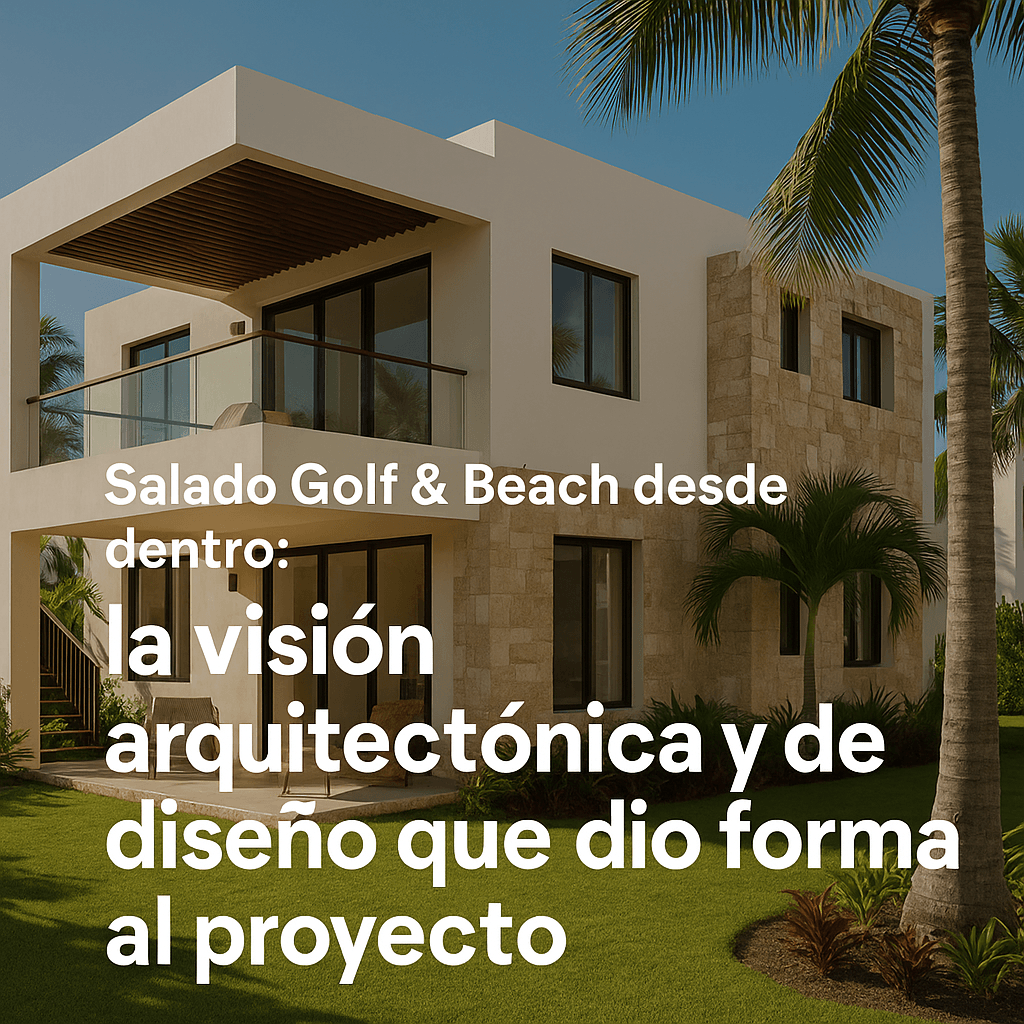
At Salado Golf & Beach Resort, sustainability is present in every detail: direct access to the golf course and the beach, buildings designed to reduce impact and personalised premium services. The resort’s design seeks to minimise its environmental footprint and maximise comfort for owners and guests.
- Residences with A energy efficiency ratings and bioclimatic design.
- Integration of renewable energy and advanced home automation.
- Native green areas and responsible water management.
- Wellness, spa and dining services featuring local produce.
- An international community and exclusive events for residents.
Investing in Salado Resort not only offers a high-end retreat, but also the opportunity to contribute to the conservation of a highly attractive stretch of the Dominican east coast. It benefits the location and, in turn, protects your investment; sounds good, doesn’t it?
FAQ: Sustainability and luxury properties
Do sustainable properties hold their value better?
Yes, growing demand and operational advantages consolidate the capital appreciation of sustainable homes, especially in the premium segment.
Which certifications are most relevant in the luxury market?
CERTIFICATIONS such as Passivhaus, BREEAM or LEED are internationally recognised guarantees of quality and sustainability.
Can you enjoy luxury without giving up comfort or sustainability?
Absolutely. Sustainability adds value, comfort and unique experiences, as demonstrated by Salado Golf & Beach Resort in White Sands, Bávaro.