How Luxury Resort Investment Is Boosting Tourism in the Dominican Republic
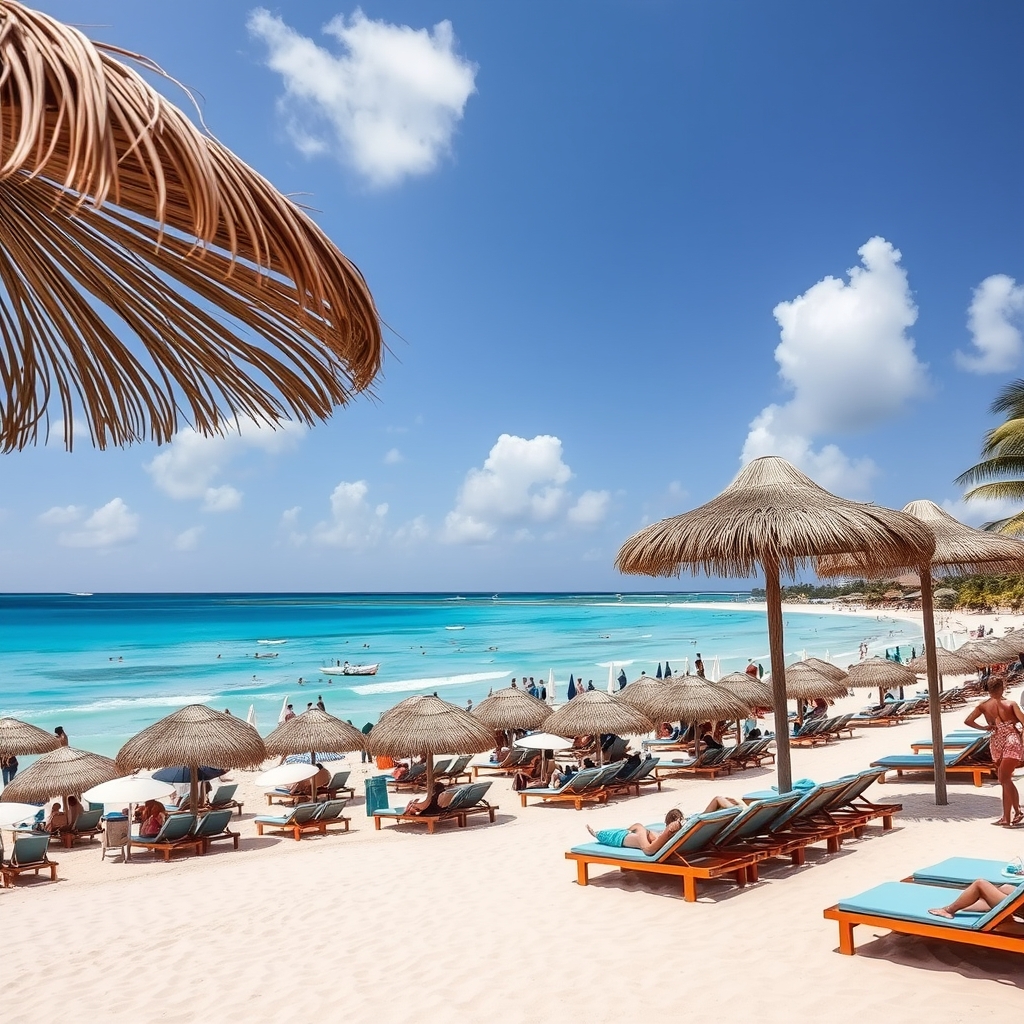
The Dominican Republic is experiencing a historic moment in tourism. What was, just a few decades ago, an emerging destination has today become one of the most solid economic engines in the Caribbean, and behind that growth lies a key factor that often goes unnoticed: investment in luxury resorts and residential complexes. In this article we analyse how this type of project drives Dominican tourism and what real opportunities it offers to the foreign investor.
Tourism, a fundamental pillar of the Dominican economy
Few economies in the world depend on tourism as directly as the Dominican one. The sector accounts for a substantial portion of the country’s GDP and is one of the main sources of employment and foreign currency. In 2025, the Dominican Republic reached a historic milestone by surpassing 11.6 million visitors between tourists and excursionists, a figure that consolidates the Caribbean nation as the most visited destination in the region.
This volume of visitors is no coincidence. It is the result of years of promotional policies, the opening of new air routes and, above all, an increasingly sophisticated hotel and residential offering. The commitment to the high-end segment has enabled the country to attract tourists with greater purchasing power, who stay longer and spend more during their visit.
How high-end property investment is transforming the offering
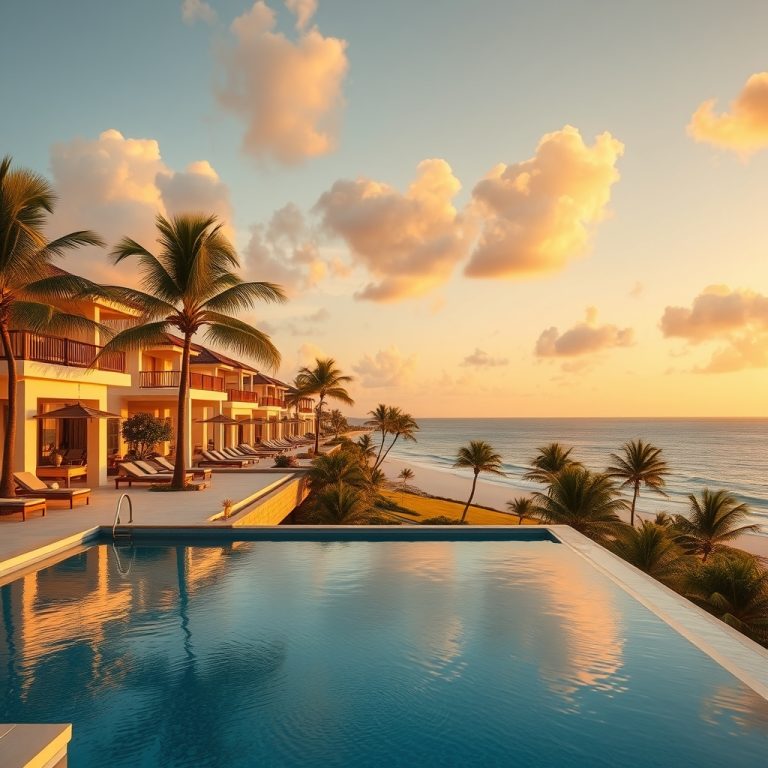
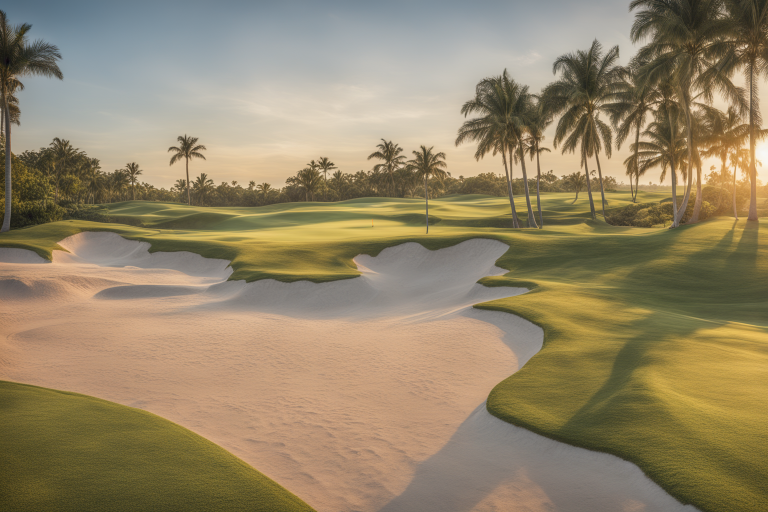
The arrival of international capital in the tourism property sector has changed the Dominican landscape. It is no longer just about traditional hotels: today the market offers luxury residential complexes, off-plan apartments for sale with premium services and integrated projects that combine golf, beach and social life. This diversification has direct effects on tourism:
- Extends average length of stay: the traveller who buys or rents a high-end apartment tends to stay longer at the destination than the all-inclusive package tourist.
- Reduces seasonality of demand: foreign owners visit their second homes all year round, generating activity even in the low season.
- Raises spending per visitor: the luxury segment drives sectors such as quality dining, golf, water sports and specialist retail.
Employment and local development
Every major real-estate development generates employment in multiple phases: first during construction, with thousands of direct and indirect jobs, and later in operation, with maintenance, security, administration and services staff. Moreover, the activity generated by residential tourism boosts local businesses: restaurants, supermarkets, cleaning companies, holiday rental agencies and professional services.
This multiplier effect is especially visible in areas such as Bávaro and Punta Cana, which in just a few years have gone from underdeveloped beach areas to true economic hubs with modern infrastructure, international schools, shopping centres and first-rate private hospitals.
Punta Cana Airport, the gateway to the Caribbean
A luxury destination without connectivity is a destination doomed to failure. Punta Cana International Airport (PUJ), together with Santo Domingo’s, is one of the busiest in the Caribbean and receives direct flights from the main cities of Europe and North America. Cities such as Madrid, Paris, London, New York, Miami and Toronto are directly connected with the Dominican east coast.
This network of connections is decisive for the investor: it facilitates access for owners and tenants, guarantees a constant flow of demand for holiday rentals and reduces travel times, a factor increasingly valued by those seeking second homes abroad. To this is added the good connection with the UASD International Airport and other infrastructure in the east of the country, as well as the significant expansion of the motorway network linking Punta Cana with the capital.
What does the foreign investor gain in this context?
The Dominican framework is especially attractive for foreign capital for several reasons:
- Legal equality: Dominican legislation allows foreigners to buy properties as freehold with the same rights as nationals.
- CONFOTUR tax incentives: many qualified tourism projects obtain exemptions from the property transfer tax and from income tax on rental income for a specified period.
- Stable currency: property transactions in tourist areas are usually carried out in US dollars, which protects assets against currency fluctuations.
- Holiday rental returns: the high tourist demand makes it possible to achieve estimated returns which, in well-located projects, can range between 8% and 12% per year.
To this is added the country’s quality of life: a tropical climate all year round, a contained cost of living, well-established international communities and a Caribbean lifestyle that makes investing in the Dominican Republic also a way of gaining in personal wellbeing.
Salado Golf & Beach: a concrete opportunity in Bávaro
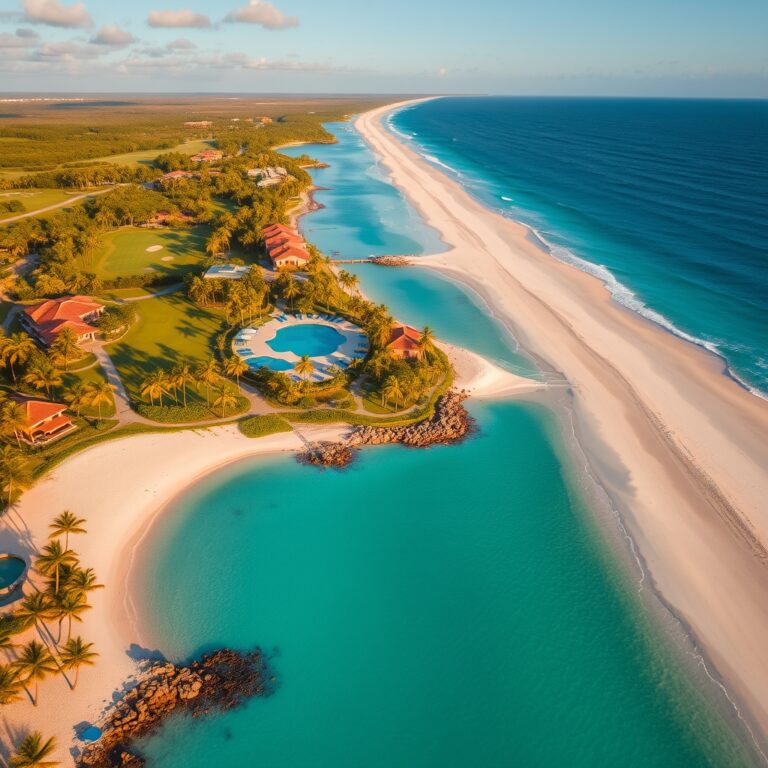
For those who want to enter this market with a controlled investment, Salado Golf & Beach in White Sands, Bávaro (Punta Cana), is an off-plan apartment development that brings together the ingredients of the context we have described: a strategic location in the fastest-growing tourist area of the Caribbean, close to the best-known beaches of the east coast.
The conditions for accessing the project are designed to make it easier for investors to get started:
- Apartments from 170,000 USD.
- Flexible payment plan: reservation from 3,000 USD, 30% upon signing, 35% during construction and the remaining 35% against delivery, expected for April 2027 with the first phase (Salado I).
- CONFOTUR tax benefits that reduce the tax burden on the purchase and on rental income.
- Estimated return of 8-12% per year through holiday rentals, depending on management and occupancy.
You can find the full project information, floor plans and reservation conditions at saladoresort.com.
Frequently asked questions
Is it safe to buy property in the Dominican Republic as a foreigner?
Yes. Dominican legislation grants foreigners the same property rights as nationals, with guaranteed title registration. It is advisable to work with a local lawyer who can verify the documentation and guide you through the purchase process.
What are the CONFOTUR benefits?
CONFOTUR is the Council for the Promotion of Tourism, a state body that grants tax incentives to qualifying tourism projects. Among these, the exemption from the property transfer tax (3%) and the exemption from income tax on rental income for a period established by law stand out, which significantly improves the return on the investment.
How much do I need to start investing in Salado Golf & Beach?
Access begins with a reservation from 3,000 USD, followed by 30% upon signing the contract. The remainder is spread between the construction phase (35%) and handover (35%), scheduled for April 2027. This allows you to plan the investment over time without having to pay the full amount upfront. Prices start from 170,000 USD.