Buying off-plan in Punta Cana: phases, handover and capital appreciation
Buying off-plan has become the favourite move of many European investors looking for a second home in the Caribbean and, along the way, some return on their money. In Punta Cana, the model has some serious advantages: lower initial prices, the option to customise the finishes and an appreciation that doesn’t stop during construction. I’ve seen projects rise by 20% before the keys are even handed over. Here I explain how the process works, which stages you need to be clear about, and why projects like Salado Golf & Beach — in Bávaro — are turning heads.
What does buying off-plan in Punta Cana mean?
Basically, you purchase an apartment or villa before it’s finished. You sign a deposit contract or a promise of sale, and payments are staggered as construction progresses. In return, you lock in a fixed price from day one. No surprises from inflation or market rises. In an environment like the Dominican one, that counts for a lot.
The tourism sector here is breaking records: in 2025, 11.6 million visitors are expected. That is driving demand for high-end accommodation. Buying off-plan at this stage lets you access pre-sale prices that, by the time the property is handed over, have usually appreciated by between 8% and 12% per year. That’s not theory, it’s local market data.
Stages of buying off-plan in Punta Cana
So that the investment doesn’t turn into a headache, it’s worth understanding the three main stages. Not all are equally important, but it’s good to be clear about them:
Stage 1: Pre-sale and unit selection
This is when the project comes onto the market. Prices are at their most attractive. You choose location, orientation, layout (studio, 1 bedroom, 2 bedrooms…). At Salado Golf & Beach, this stage usually lasts between 6 and 12 months. They ask for an initial payment, normally between 10% and 30% of the total.
Practical tip: Always ask for the updated floor plan and the construction schedule. It sounds obvious, but many people jump in without verifying that the developer has previous experience and bank guarantees or proof of title to the property. I have seen cases of projects left half-finished.
Phase 2: Construction and staggered payments
Construction can take from 18 to 36 months, depending on the size. During that time, the buyer makes partial payments (every 3 or 6 months) that cover the progress of the build. These usually represent between 40% and 60% of the total price. It is all stipulated in the contract.
At this stage, ideally you should be able to visit the site or receive periodic reports. Salado Golf & Beach offers an online tracking system for its investors, with photos and progress reports. Not every project does this, but it is a plus that gives peace of mind.
Phase 3: Handover and after-sales
When construction is finished, the formal handover takes place. You receive the keys, sign the public deed (before a Dominican notary) and pay the remaining balance. From that point on, the flat can start generating holiday rental income or be used as a second home.
This is where capital appreciation materialises. An off-plan price can be 20-30% lower than the market value at the time of handover. Why? Because of the growth of the area and tourist demand. It is not magic, it is the market.
Capital appreciation in Punta Cana: figures you need to know
- Record tourism: 11.6 million visitors in 2025, with annual growth of 5-7%.
- Infrastructure: Expansion of Punta Cana International Airport, new motorways, commercial areas that did not previously exist.
- Luxury rental demand: Average occupancy of 75-85% in well-located properties. Estimated returns of 8-12% per year.
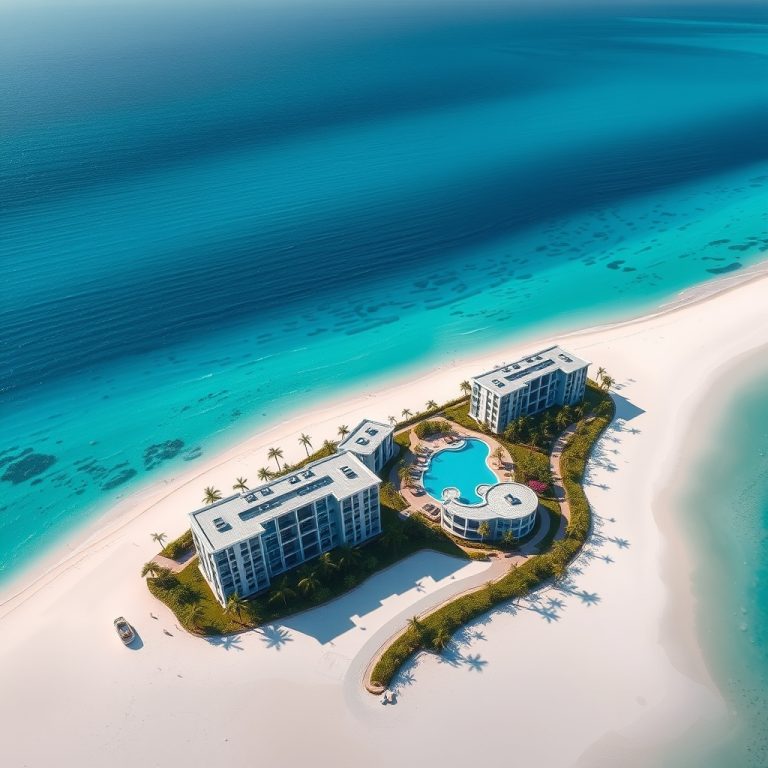
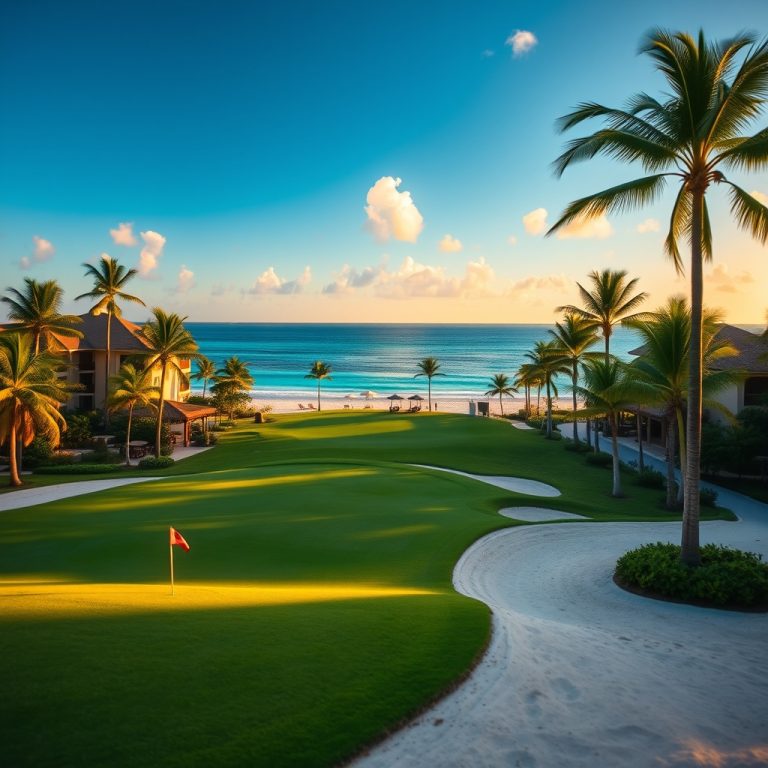
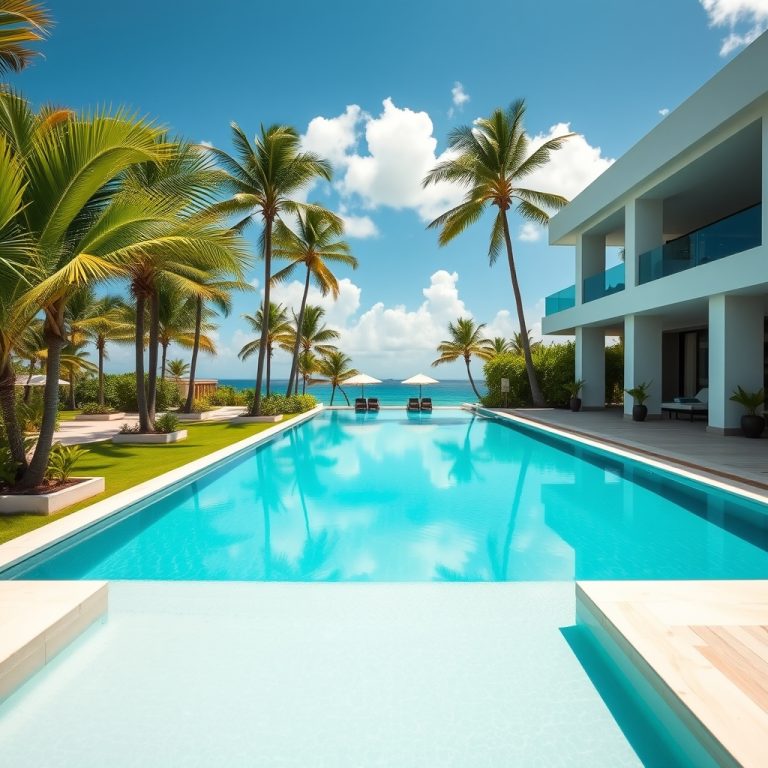
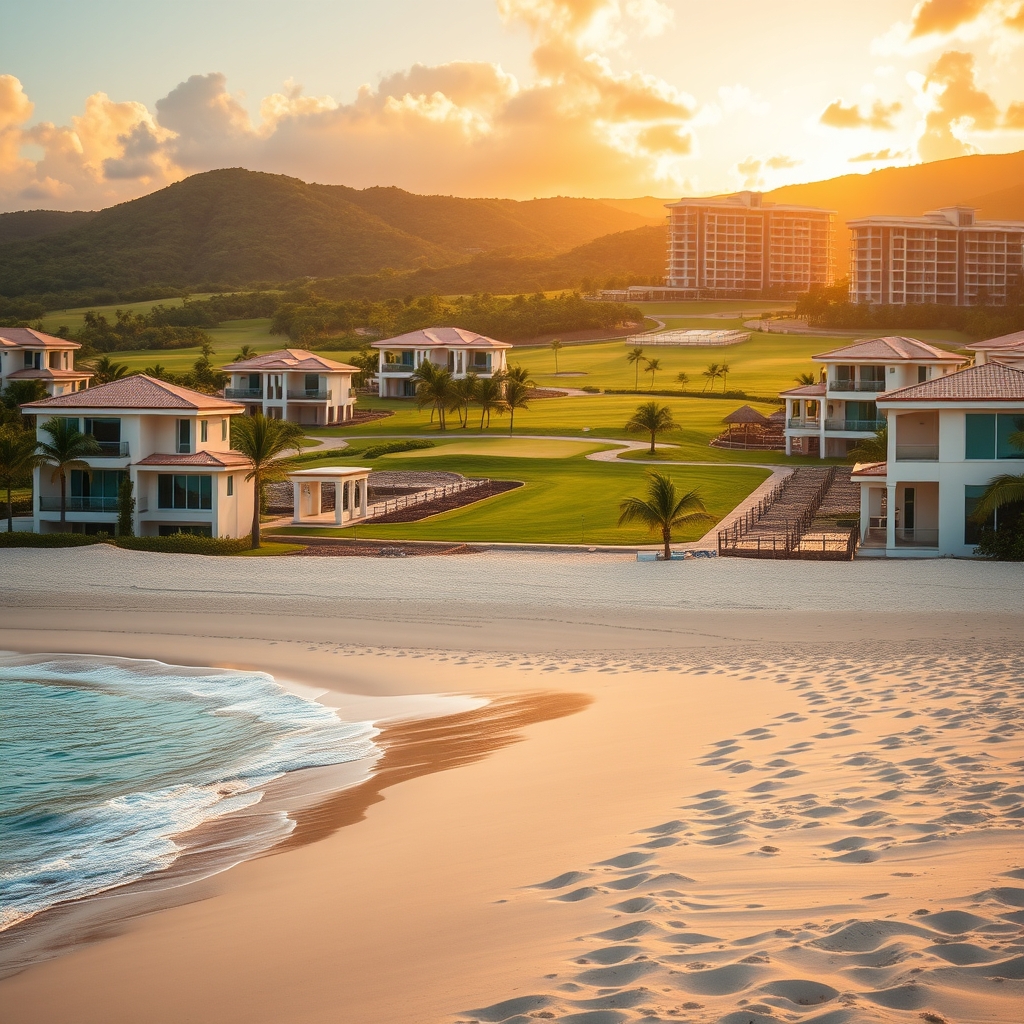
Buying off-plan in a project like Salado Golf & Beach —right on the beachfront at White Sands, Bávaro— allows you to ride that wave from day one. Being integrated into a golf course and having a spa and premium services means the flat appreciates faster than average. I’ve seen this in other similar projects.
Investor tip: Appreciation is not linear. It is concentrated at two moments: when the structure is completed (when the risk drops) and at handover. If you sell right after receiving the keys, you capture the capital gain without ever having rented it out. It’s not for everyone, but it is a strategy.
Frequently asked questions about buying off-plan in Punta Cana
Is it safe to buy off-plan in the Dominican Republic? Yes, provided the project has municipal permits, a construction licence and the land is free of encumbrances. Don’t rely on someone’s word: insist on a contract drawn up by a local lawyer. I always recommend having someone you trust review the documentation.
Can I finance an off-plan purchase? Some developers offer in-house financing (without a bank) during construction. There are also Dominican banks that grant mortgages to non-residents, albeit under stricter conditions. It depends on your profile.
What additional costs should I consider? Transfer tax (3% of the value), closing costs (notary, registration) and, if you rent out the property, 18% ITBIS on the income. A tax adviser helps you optimise the burden. It’s not a minor expense, but it can be planned for.
Your opportunity in the Dominican Caribbean
Buying off-plan in Punta Cana is a smart move if you’re looking for returns and a luxury second home. With an estimated appreciation of 8-12% per year, a tourist market that keeps on growing and projects like Salado Golf & Beach that combine beach, golf and slow-living services, the time is now. Or at least, it’s not wise to wait too long.
Before signing, do your homework. Review the developer’s track record, consult a specialised real-estate advisor. If you would like more details on the units available for pre-sale, contact Residencial Group, the official sales agent for Spain. And take the first step towards your beachfront property in Bávaro. No rush, but no pause either.